
Bathroom And Remodeling
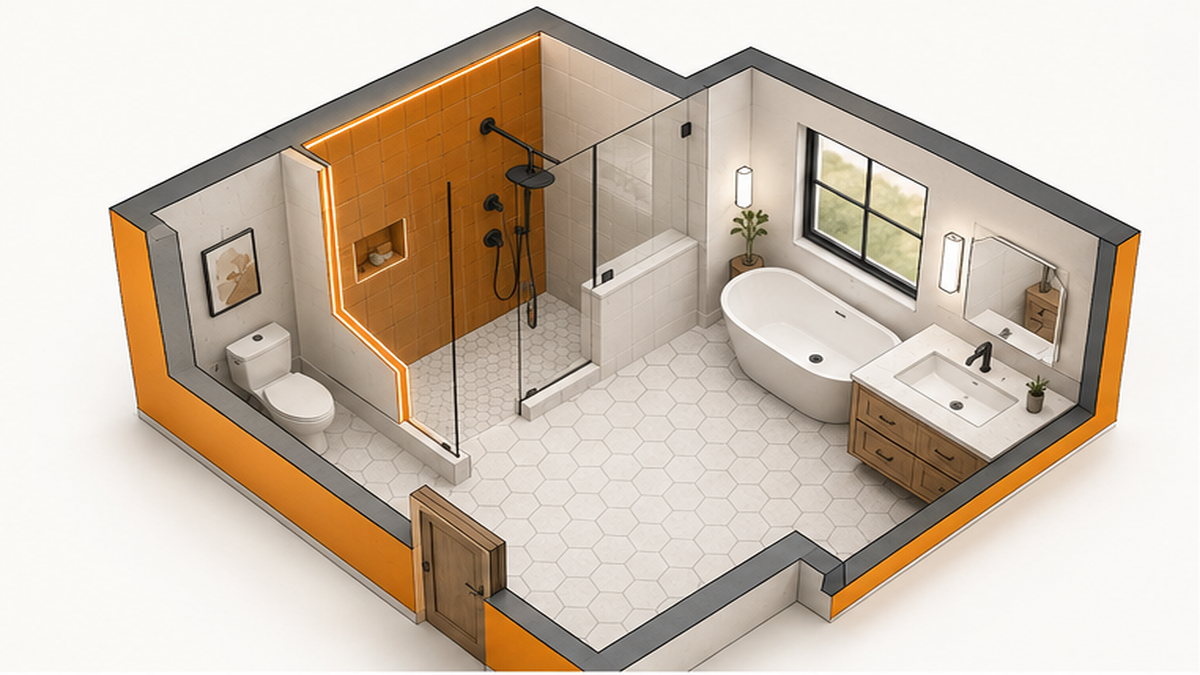
Bathroom remodeling in Franklin, TN centers on removing outdated materials, repairing subfloor or wall damage, and installing proper waterproofing before setting new tile. A custom bathroom remodel updates a failing shower or tub area into a durable, watertight space. Oleksiy Kolesnyk personally handles every project, ensuring the substrate prep and layout planning meet strict standards. Whether you need a full shower conversion or a new tile floor, the process starts with a clear scope and careful material selection. We focus on proper moisture protection and precise alignment to ensure the final result lasts for decades.
What Happens Behind the Walls
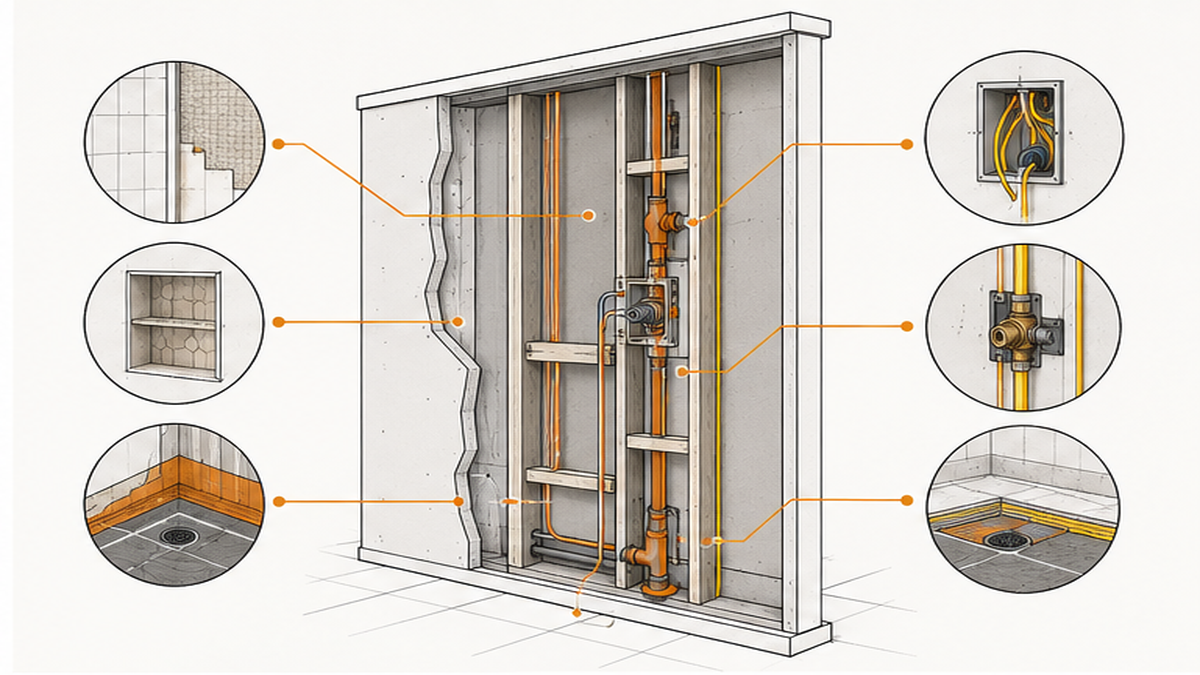
Planning a bathroom remodel requires understanding what happens behind the walls and under the floor. Many older homes in Williamson County hide water damage beneath existing tubs and showers. Before any new tile goes down, we strip the wet area to the studs to inspect the framing. Proper substrate prep is the foundation of any lasting tile installation. We install cement backerboard and apply custom shower pans with comprehensive waterproofing membranes. This step prevents leaks and protects your home from mold or mildew.
Once the structure is sound, we move to layout planning. The size and shape of your chosen tile dictate the grout joint width and overall symmetry of the room. Large-format tiles demand a perfectly flat surface to prevent lippage, which creates uneven, toe-stubbing edges. By addressing these structural requirements early, we ensure the visible finish is level, clean, and symmetrical. Every phase of the project, from demolition to the final grout application, requires careful technique and quality materials.
Key Decisions for Your Remodel
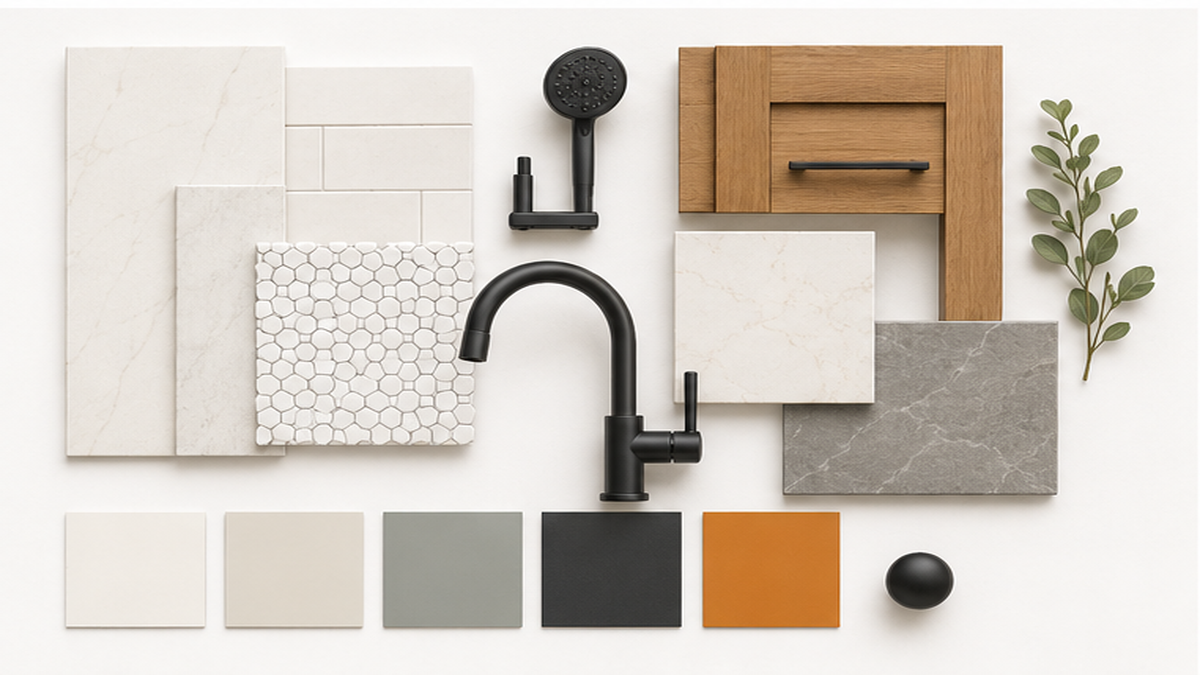
When preparing for a project, homeowners face several key decisions regarding layout, materials, and scope. First, evaluate whether you need a full tear-out or a targeted update. A complete shower and bath conversion involves different plumbing and waterproofing requirements than simply replacing a bathroom floor. Next, consider your material selection. Porcelain tile offers excellent durability for wet areas, while natural stone requires specific sealing and maintenance. The tile size also impacts the installation process. Small mosaic tiles conform well to sloped shower floors, whereas large tiles require precise leveling to maintain proper drainage.
You must also decide on functional niches, benches, and curb designs early in the Bathroom Design phase. These elements change the waterproofing approach and require custom cuts. Finally, think about the timeline. A full custom shower installation takes time to cure properly between steps. Thin-set mortar and grout need specific windows to dry before the space is usable. Reviewing these factors helps you build a realistic estimate preparation checklist before we arrive on site.
Avoiding Costly Remodeling Errors
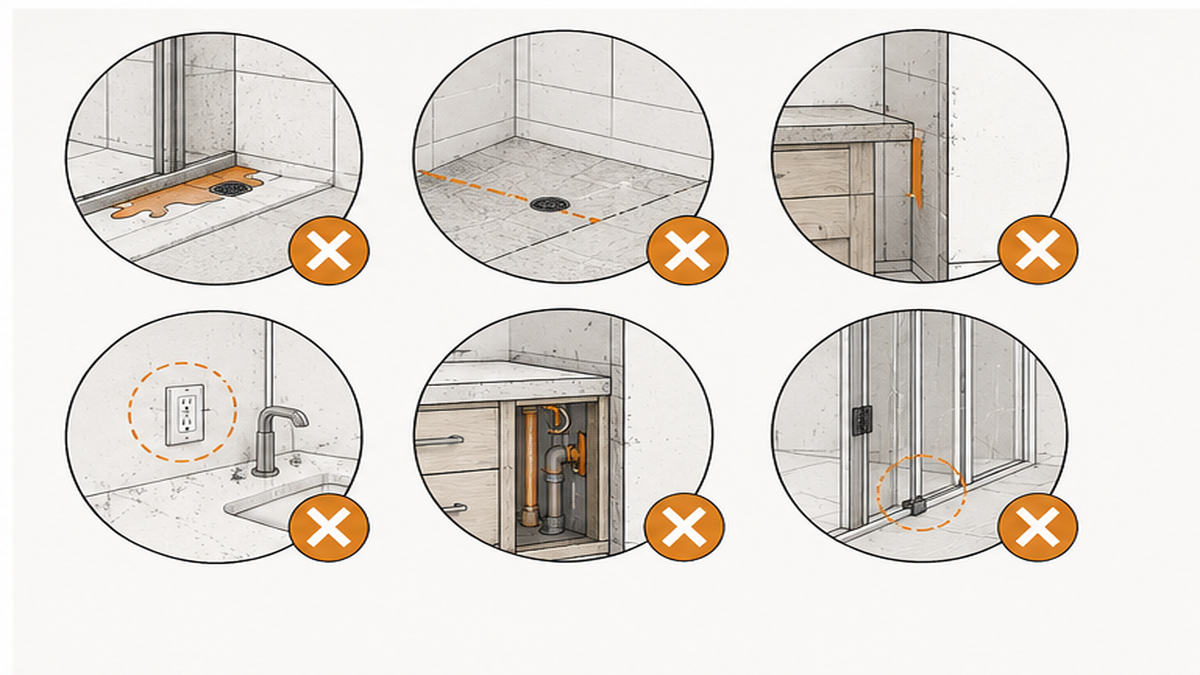
One of the most frequent mistakes in bathroom remodeling is ignoring the substrate condition. Installing expensive tile over a bouncy floor or compromised drywall guarantees cracked grout and loose tiles down the road. Another common error is relying on standard drywall in wet areas instead of proper backerboard and waterproofing membranes. Water always finds a way through weak points, leading to a squishy shower floor or hidden structural rot.
Homeowners also sometimes purchase materials without consulting their installer. Buying tile that is too thick for existing transitions or unsuitable for wet environments causes delays and added costs. Poor layout planning is another issue that ruins the final look. Starting a tile run without measuring the entire room often results in sliver cuts at the corners or asymmetrical walls in your Bathroom Designs. Finally, rushing the curing process compromises the bond. Walking on a newly tiled floor before the thin-set mortar fully cures creates uneven surfaces and lippage. We avoid these issues by following a strict surface prep routine and adhering to proper drying times for every layer.
When to Hire a Tile Professional
Certain signs indicate it is time to stop patching and call a Shower Remodeling Contractor. If you notice a leaking shower or water stains on the ceiling below your bathroom, the waterproofing has likely failed. A squishy shower floor or loose, hollow-sounding tiles mean moisture has compromised the substrate. These issues require a full tear-out to assess and repair the underlying damage.
You should also contact a contractor if you are planning a layout change that involves moving plumbing fixtures or altering the shower footprint. Building a custom shower pan with the correct slope for drainage is a complex task that demands professional experience. Additionally, working with large-format tiles, natural stone, or intricate patterns requires specialized tools and an artistic eye for symmetry. If your current bathroom suffers from uneven floors or toe-stubbing tile edges, a professional installer will level the surface properly before setting new materials. Oleksiy provides a detailed, on-site inspection to determine the exact repair vs replacement criteria for your specific situation.
Related Services
Ready to Update Your Bathroom?
Common Bathroom Remodeling Questions
What is a realistic budget for a bathroom remodel?
What does a bathroom remodel look like?
How long does a bathroom tile remodel take?
How do I request a bathroom remodel estimate?
Maintaining Your New Bathroom
Keeping your Bathroom Remodel in excellent condition requires a simple but consistent maintenance routine. Always use a pH-neutral cleaner for your tile and grout to avoid degrading the sealants. Harsh acidic chemicals or abrasive scrubbing pads can scratch the tile surface and break down the grout joint over time. Ensure your bathroom has proper ventilation to reduce ambient humidity, which helps prevent mold and mildew growth in wet areas.
Wipe down shower walls with a squeegee after use to minimize hard water buildup and soap scum. If you have natural stone installed, it will need periodic resealing to maintain its moisture resistance. Inspect the caulking around corners, tubs, and transition points annually. Replacing cracked or peeling caulk immediately prevents water from sneaking behind the tile and compromising the backerboard, protecting your investment in Bathroom Remodeling.