
Fireplace Tile Surround Ideas
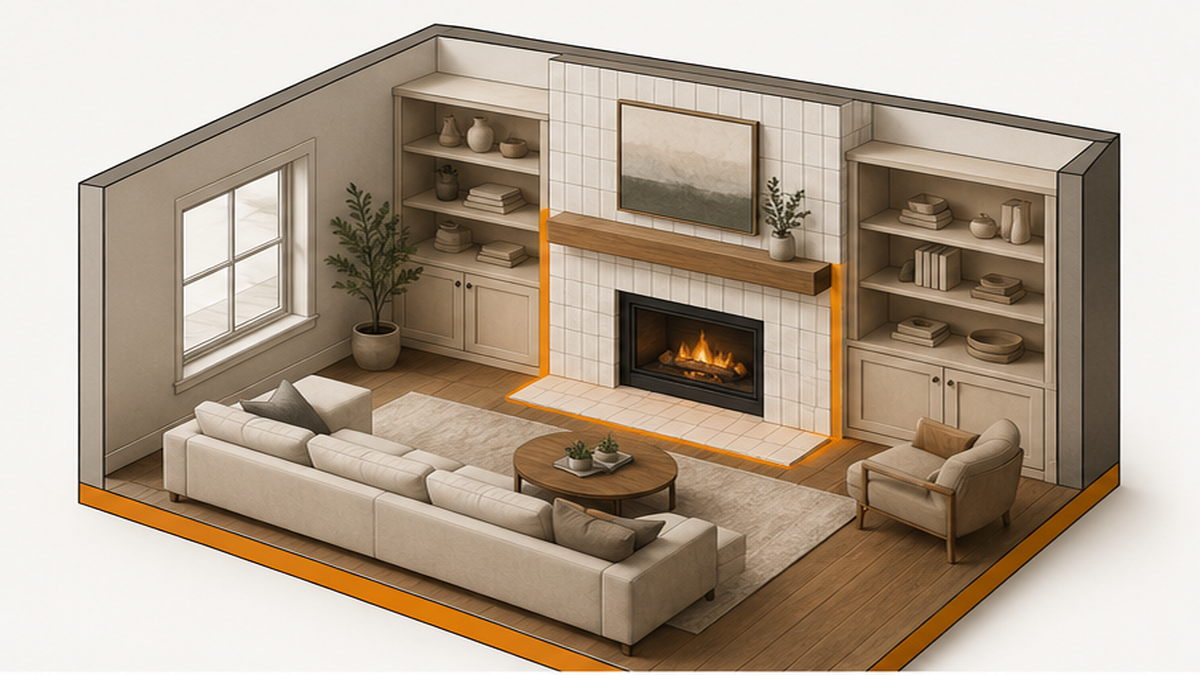
Updating a fireplace surround with tile involves selecting heat-resistant materials like porcelain, natural stone, or ceramic to create a focal point in your living space. In Franklin, TN, many homeowners choose to replace outdated brick or builder-grade mantels with custom tile layouts that match their home's architecture. A successful project requires proper surface prep, heat-resistant thin-set, and careful alignment around the firebox. Whether you prefer the clean lines of large-format porcelain or the textured look of ledger stone, the right material changes the entire room. We handle these updates regularly, ensuring the substrate is secure and the final grout lines are perfectly level.
Understanding the Installation Process
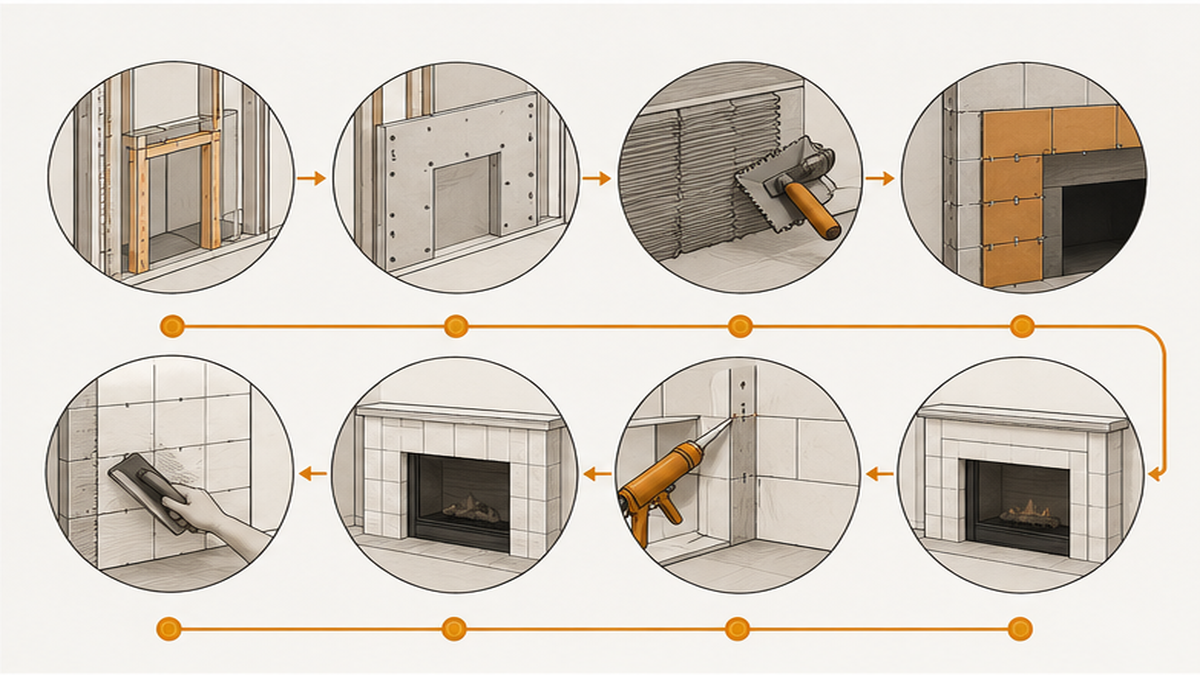
Planning a fireplace tile surround starts with understanding the existing structure. If you have an older brick fireplace, we often need to apply a fresh layer of cement backerboard or a scratch coat to create a flat, stable surface for the new tile. You cannot simply attach new tile over painted or loose brick without risking adhesion failure.
Material selection plays a major role in the final design. Porcelain tile offers excellent heat resistance and comes in patterns that mimic natural wood, concrete, or marble without the maintenance requirements of real stone. Natural stone, such as slate or travertine, provides a classic, textured appearance but requires periodic sealing to protect against soot and ash stains.
We also look at the hearth and mantel integration. The hearth extension must meet local fire safety codes, usually requiring a non-combustible surface extending a specific distance from the firebox opening. During an estimate, Oleksiy checks the current framing, measures the clearance to combustible mantels, and determines the exact prep steps needed to ensure a safe, durable installation.
Choosing Your Layout and Materials
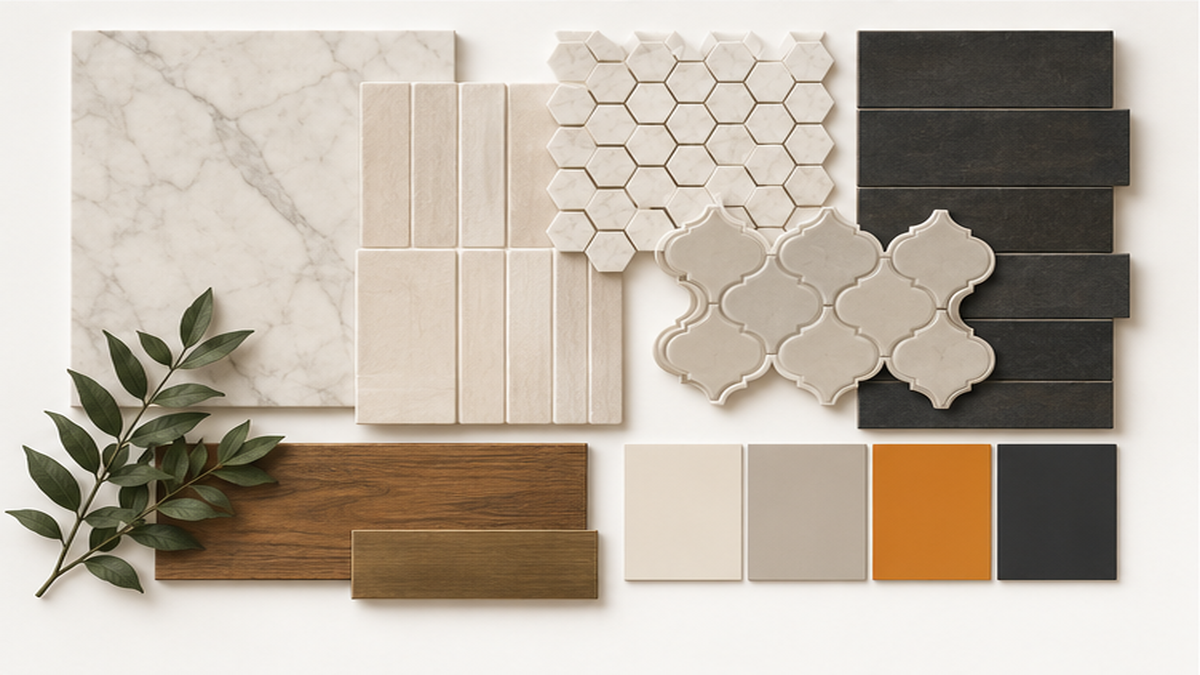
When deciding on a fireplace tile surround, your first choice is the layout and scale of the tile. Large-format tiles minimize grout lines, creating a sleek, modern appearance that makes a small living room feel larger. Smaller tiles, like subway tile or intricate mosaics, add character and work well in historic Williamson County homes.
Next, consider the hearth material. You can use the same tile on the surround and the hearth for a unified look, or choose a contrasting material. A solid slab of natural stone for the hearth paired with a patterned tile surround creates a striking visual break.
Grout selection is another critical decision. A high-contrast grout highlights the tile pattern, while a matching grout color blends the layout together. Because fireplaces generate heat and occasionally trap ash, darker grout colors on the hearth often hide soot better than lighter shades. We help you compare these options during the design consultation, ensuring the final choice fits your daily use and maintenance preferences. If you are also updating other areas, like a Shower Accent Wall Tile, coordinating materials across rooms can tie the house's design together.
Mistakes to Avoid During Planning
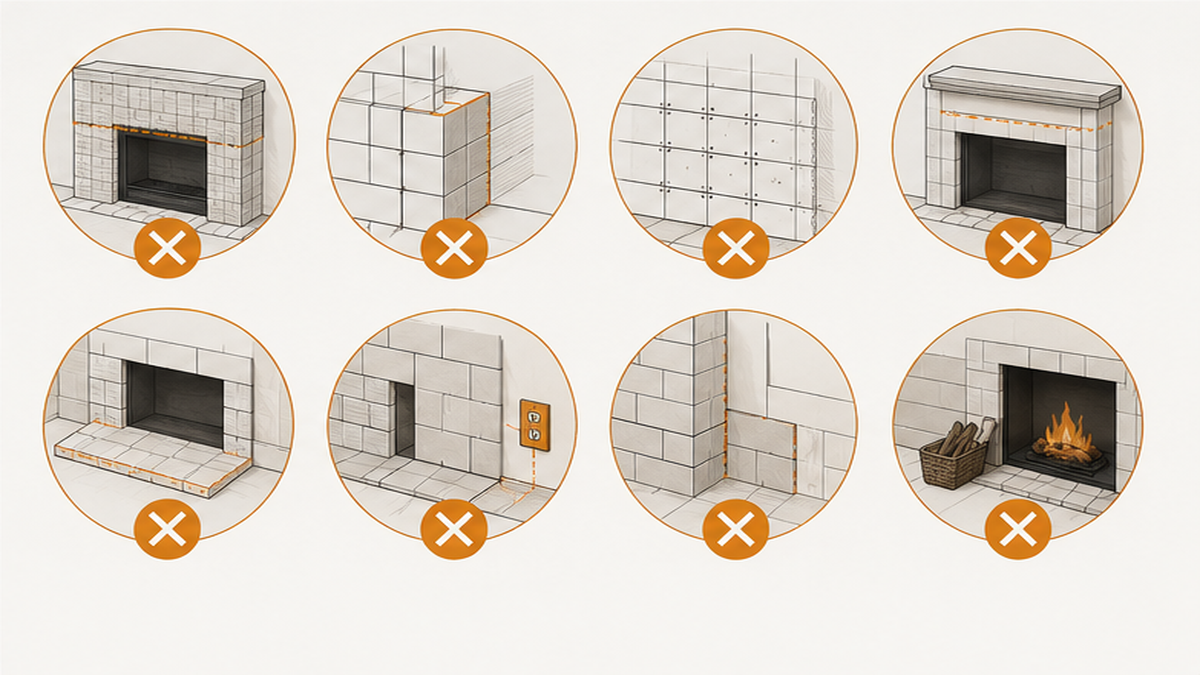
One frequent mistake homeowners make is choosing a tile or setting material that cannot handle temperature fluctuations. Standard mastic adhesive will fail when exposed to the heat of a firebox; we always use polymer-modified, heat-resistant thin-set mortar for fireplace surrounds.
Another error is ignoring the substrate condition. Tiling directly over drywall near a wood-burning fireplace violates fire codes and risks structural damage. We install cement backerboard to provide a secure, non-combustible base.
Finally, poor layout planning often leads to awkward, narrow tile cuts around the firebox opening or at the ceiling line. We dry-fit the tile layout before mixing any mortar. This step ensures symmetrical cuts and aligns the grout joints perfectly with the mantel and hearth. Taking the time to map out the grid prevents visual imbalances that draw the eye for the wrong reasons.
When to Hire a Tile Craftsman
While painting a mantel is a straightforward weekend project, installing a tile surround involves structural and safety considerations that usually require a professional. If your current fireplace has loose bricks, crumbling mortar, or an uneven surface, you need a contractor to stabilize the substrate before any new finish material goes up.
You should also call a professional if you plan to use large-format porcelain or heavy natural stone. These materials require specialized wet saws for precise cuts around the firebox and heavy-duty setting materials to prevent sagging on vertical surfaces.
If you are unsure about clearance codes for combustible materials, hiring an experienced installer protects your home. We know exactly how far the tile needs to extend and how to transition cleanly from the firebox to the surrounding drywall. For projects involving heavy materials, reviewing our Stone Fireplace Installation process shows how we handle the structural requirements safely.
Related Services and Guides
Ready to Discuss Your Project?
Common Questions About Fireplace Surrounds
How is Fireplace Tiling priced in my area?
What type of tile is best for a fireplace surround?
How long does Fireplace Tiling take?
How do I get an estimate?
Maintaining Your Fireplace Tile
Keeping your new fireplace tile surround looking sharp requires minimal but consistent effort. For glazed porcelain or ceramic tiles, wipe the surface with a damp microfiber cloth and a mild, neutral cleaner to remove dust and occasional soot. Avoid acidic or abrasive cleaners, as they can degrade the grout joints over time.
If you choose natural stone, such as slate or travertine, you will need to apply a penetrating sealer periodically. Stone is porous and can absorb ash or smoke stains if left unprotected. We recommend checking the sealer once a year by placing a few drops of water on the stone; if it absorbs quickly, it is time to reapply.
For the grout lines, a soft bristle brush helps lift trapped dust. If you have a wood-burning fireplace, sweeping the hearth regularly prevents ash from getting ground into the floor tile joints.