
Understanding Your Backsplash Installation Investment
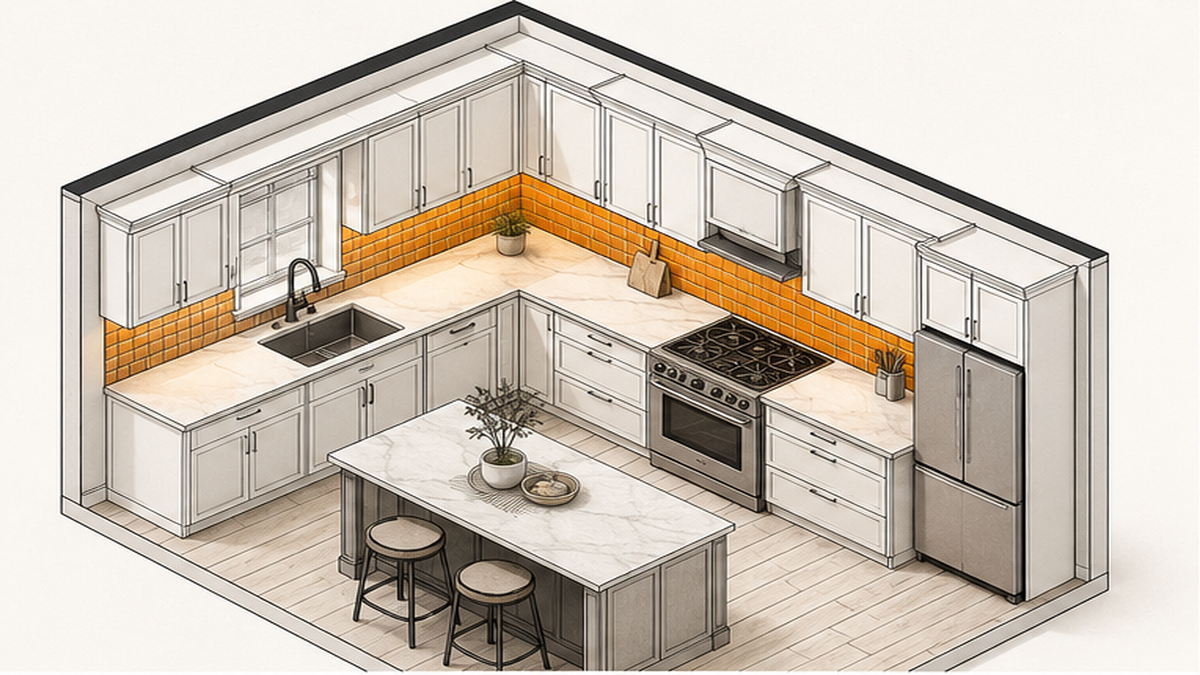
The final labor and material requirements for a kitchen or bar backsplash depend entirely on the tile you select, the pattern complexity, and the condition of the drywall underneath. There is no standard online price list because every layout requires different outlet cuts, edge trim, and surface preparation. Homeowners often worry about ending up with an uneven tile layout, misaligned grout lines, or a messy jobsite that disrupts their daily routine. To avoid these issues, a professional installer must evaluate the wall surface in person. In Franklin and Williamson County, Oleksiy at Craftsman Tile and Stone provides an on-site inspection to outline the exact steps required. This ensures your final wall feature looks perfectly symmetrical without surprise charges later.
Why Two Similar Kitchens Have Different Requirements
Two kitchens with the exact same square footage can result in completely different labor and material needs. When looking at Backsplash Ideas, remember that the final scope shifts based on the specific tiers of your project:
- Targeted repair or refresh: This involves working with an existing, structurally sound wall to update a small area, like a bar backsplash. Labor is concentrated on careful alignment and protecting surrounding finishes.
- Standard replacement or installation: The most common scenario involves removing an old backsplash, repairing the drywall, and installing a new ceramic or porcelain tile in a standard grid or offset pattern.
- Expanded reconfiguration: This tier includes complex layouts like herringbone, full-height tile walls extending to the ceiling, or working with handmade materials that require meticulous individual placement.
Working against gravity on a vertical surface demands specific setting materials and support techniques. If the drywall behind your old backsplash crumbles during demolition, the surface must be repaired before any new material is set.
Primary Variables That Shape Your Project Scope
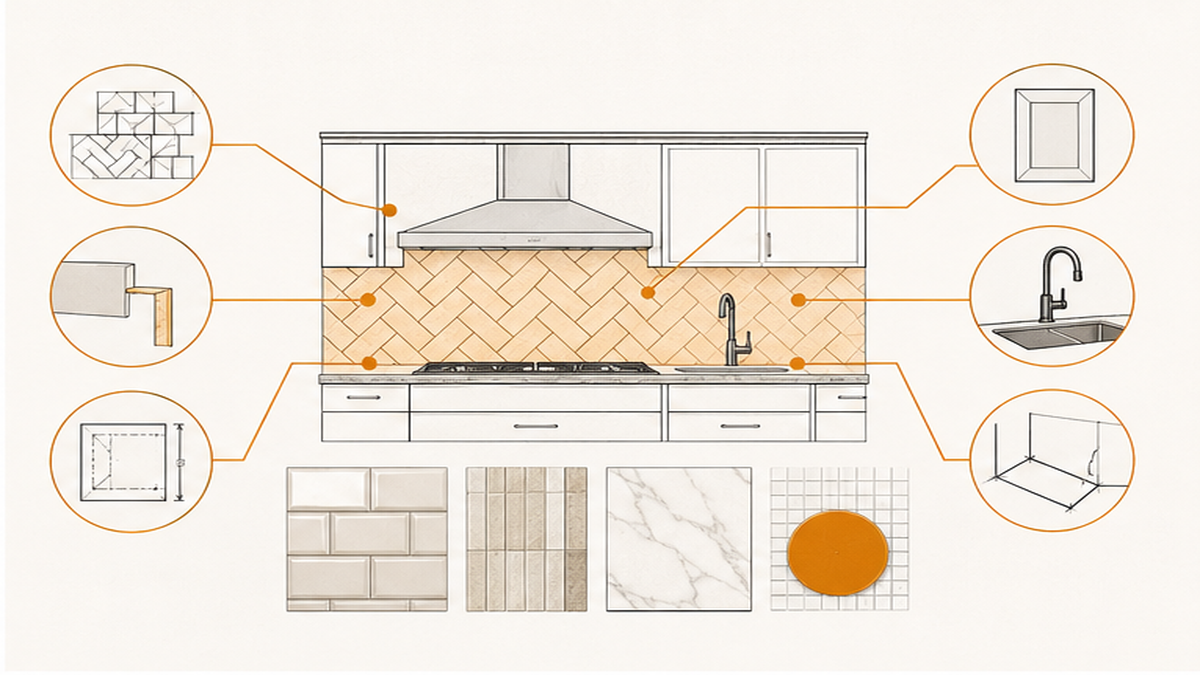
Several specific variables dictate the labor and materials required for your kitchen or bar backsplash.
| Project Variable | How It Influences the Scope |
|---|---|
| Tile Material and Quality | Standard ceramic is straightforward to cut and set. Natural stone, glass, or handmade tiles require specialized blades, slower cutting speeds, and sometimes pre-sealing, which increases labor time. |
| Pattern Complexity | A straight grid or standard brick-lay is the baseline. Upgrading to a herringbone, chevron, or vertical stacked layout requires significantly more precise measuring, cutting, and alignment. |
| Wall and Substrate Preparation | Tile needs a flat, stable surface. If removing the old backsplash damages the drywall, or if the wall is bowed, we must repair and flatten the substrate before setting a single piece. |
| Outlet Cuts and Obstacles | Kitchens are full of electrical outlets, switches, and window casings. Each cutout requires precise measurement and custom cutting, adding time to the installation. |
| Edge and Finish Details | Exposed tile edges need a clean finish. Using metal trim, bullnose pieces, or mitered corners adds material expenses and requires careful detail work to look polished. |
What a Professional Installation Plan Covers
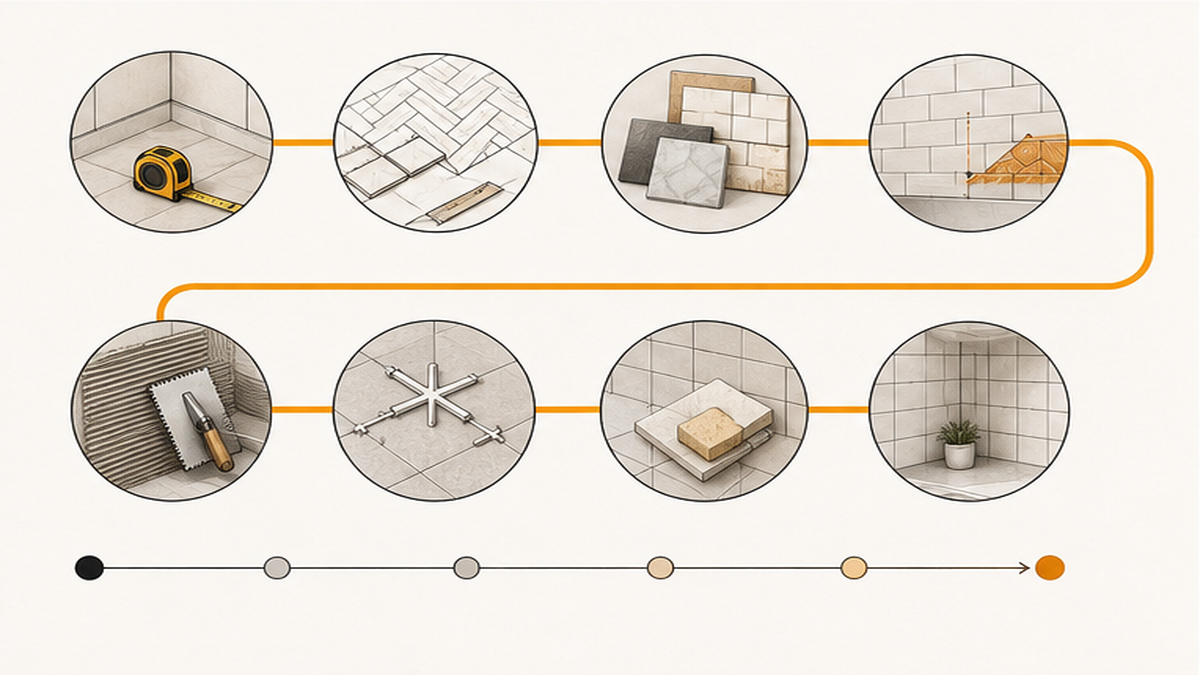
A comprehensive Tile Wall Installation plan from Craftsman Tile and Stone covers every phase of the project to ensure a clean, lasting result. The baseline scope includes protecting your countertops, cabinets, and floors before any work begins. It covers the removal and disposal of your old backsplash, assuming it is part of the agreed plan. We include thorough surface preparation to ensure the wall is flat and ready to receive the setting material. The installation itself covers the layout planning, precise cutting around all outlets, setting the tile with premium mortar, and applying the grout. Finally, we include a complete cleanup of the workspace, leaving your kitchen spotless and ready to use.
Conditions That Expand the Required Labor
Certain design choices and hidden conditions will naturally require more time and resources. Choosing a highly porous natural stone or a glass mosaic means we must use specific setting materials and handle the product with extreme care to prevent scratching or staining. If you are planning large Tile Walls & Backsplashes that extend all the way to the ceiling or wrap around multiple windows, the increased square footage and complex cutting will raise the labor requirements. Discovering severely uneven studs behind the old drywall means we have to stop and rebuild the wall structure before proceeding. Additionally, selecting a contrasting grout color—like dark grey grout with white subway tile—requires meticulous cleanup during the grouting phase to prevent staining the tile face.
How You Can Manage Your Project Scope
You have direct control over several factors that influence the final scope of your project. The most effective way to manage your budget is through material selection. Choosing a standard-format ceramic or porcelain tile rather than natural stone or intricate mosaics keeps both material and labor requirements lower. Opting for a straightforward horizontal brick-lay or grid pattern minimizes complex cuts and reduces waste. You can also control the total scale by limiting the installation area—for example, stopping the tile at the bottom of the upper cabinets rather than extending it to the ceiling. Finally, finalizing your design, tile selection, and grout color before work begins prevents mid-project changes, which are a primary cause of unexpected labor additions and timeline delays.
The Hidden Trade-Offs of the Lowest Bid
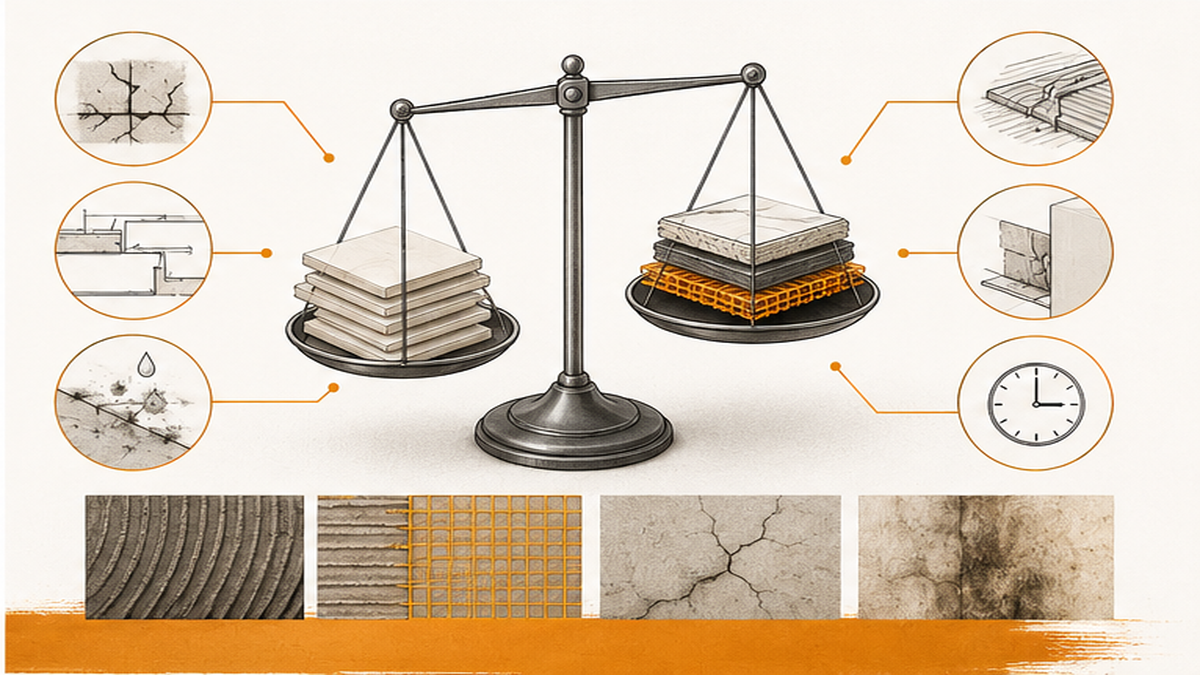
Accepting the most budget-friendly available bid often leads to frustrating results in highly visible areas like kitchens. Low bids frequently omit critical surface preparation, meaning the new tile is set on uneven drywall. This results in lippage—where the edges of adjacent tiles stick out unevenly—and misaligned grout lines that catch the eye every time you walk in the room. Budget bids may also rush the layout process, leaving you with awkward, sliver-thin tile cuts around outlets or in the corners. Furthermore, inexperienced installers might skip proper jobsite protection, leaving you with scratched countertops or thin-set mortar tracked across your floors. A professional focuses on careful alignment, proper setting materials, and meticulous cleanup.
Preparing for Your On-Site Inspection
Because every wall has different dimensions and structural conditions, we do not provide blind online numbers. A firm plan requires an on-site inspection. Here is an estimate preparation checklist to help you get ready for our visit:
- Gather dimensions: Have a rough idea of the square footage of the area you want covered.
- Select inspiration photos: Save pictures of the tile style, pattern, and grout color you prefer.
- Note the existing surface: Let us know if we are removing an old backsplash or starting with bare drywall.
- Identify obstacles: Point out any specific areas of concern, such as a large range hood or multiple electrical outlets.
During the consultation, Oleksiy will evaluate the wall flatness, discuss edge trim options, and outline the exact steps needed. This results in a clear, written plan before any work begins.
Common Questions About Backsplash Installation
What should the labor cost be for a 13 foot by 4 foot tile backsplash?
How much does Home Depot charge to install backsplash?
How long does backsplash installation take?
Who should I hire for accent wall tile in my area?
Ready to Plan Your Backsplash Installation?
Payment Schedules and Expectations
Professional tile installation is a significant investment in your home's functionality. While we do not offer in-house financing plans, we maintain transparent payment schedules tied directly to project milestones. You will know exactly when payments are due—typically a deposit to secure your schedule and materials, with the balance due upon completion and your final approval. We prioritize clear communication so you can budget appropriately without worrying about hidden fees or surprise additions to the final invoice.
How Your Home Environment Affects the Timeline
The environment we work in directly impacts the hours required to complete your project. Working in an occupied home means we dedicate extra time each day to setting up dust protection, laying down floor runners, and performing a thorough cleanup before we leave. If your kitchen is currently in use, we sequence our work to minimize disruption to your daily routine, which takes careful planning. Rush schedules or requests to work outside normal business hours will also increase the labor requirements. By allowing a standard, unhurried timeline, we can focus entirely on the precision of the tile layout and the quality of the grout finish.