
Franklin, TN Kitchen Remodeling: Tile and Stone Installation

Kitchen remodeling in Franklin, TN, centered on tile and stone requires careful substrate preparation, layout planning, and precise material installation. Homeowners in Williamson County often start by updating backsplashes or replacing outdated floors to refresh the space. A successful project depends on addressing hidden issues like unlevel subfloors before setting the first tile. Oleksiy personally handles every step, ensuring proper alignment and a clean work environment. We focus strictly on the tile and stone scope, coordinating with your other trades to keep the schedule moving smoothly. Whether you are updating a historic home downtown or a newer build in Arrington, the foundation of the work remains the same.
How We Approach Kitchen Tile Installation
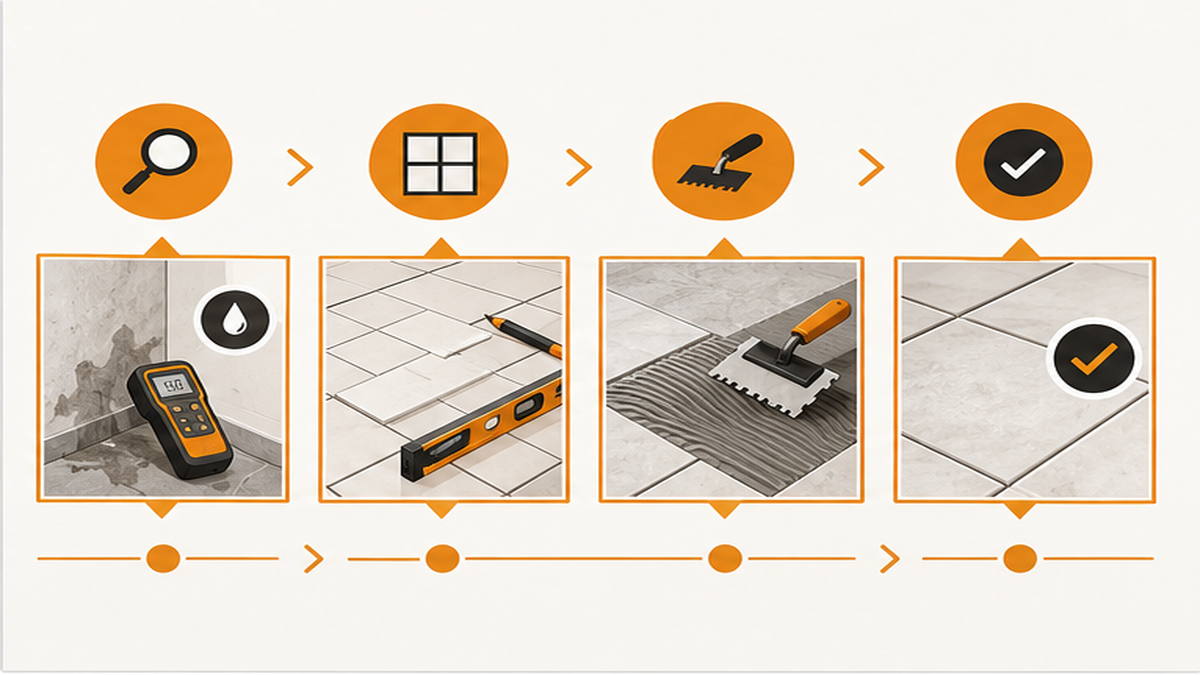
Upgrading your kitchen tile involves more than just picking a color. The process starts with a thorough surface inspection to check for moisture damage or uneven areas. If the substrate flexes, large-format floor tiles will eventually crack. We install cement backer board or uncoupling membranes to create a stable, rigid foundation. Layout planning is the next critical phase. We measure the room to ensure grout lines look symmetrical around islands, cabinets, and doorways.
For backsplashes, we align the tile pattern with your countertops and electrical outlets to avoid awkward sliver cuts. You supply the tile, and we supply the setting materials, waterproofing, and grout. This approach gives you full control over the design while we handle the technical execution. Careful installation prevents lippage—where one tile edge sits higher than the next—and ensures the grout joints remain consistent across the entire surface.
Key Decisions for Your Kitchen Tile Project

Before scheduling your kitchen tile installation, you need to finalize a few key details. First, decide on the tile material. Porcelain is dense and resists stains well, making it ideal for busy cooking spaces. Ceramic works beautifully for wall applications but may chip if dropped on a hard floor. Natural stone requires regular sealing but offers a classic, textured look. Next, consider the grout selection and finish. Epoxy grout resists food stains better than traditional cement grout, though it requires more time to install.
You also need to plan the project timeline. Floor installations usually take the space out of commission for a few days during setting and curing. We coordinate our work after your cabinets are installed but before the final plumbing fixtures go in. Finally, think about the transition areas. We plan how the new tile meets your existing hardwood or carpet to ensure a flush, safe threshold. Selecting the right flooring kitchen tile requires matching the durability needs of a high-traffic room with your aesthetic goals.
Mistakes to Avoid During a Kitchen Remodel

One frequent mistake is buying exactly the square footage of the room without accounting for waste. Always order 10 to 15 percent extra tile to cover cuts, breakage, and future repairs. Another common error is ignoring the substrate condition. Installing rigid tile over a bouncy wood subfloor guarantees cracked grout lines down the road. We always check deflection and install the appropriate underlayment first.
Homeowners also sometimes rush the layout planning phase. If you start setting tile against one wall without measuring the whole room, you often end up with tiny, uneven tile slivers on the opposite side. We dry-fit the layout to ensure symmetry around your focal points, like the stove or island. Finally, choosing the wrong grout color can disrupt the design. Highly contrasting grout highlights every slight variation in the tile, while a matching color creates a more cohesive look. If you are exploring wall options, reviewing different backsplash tiles for kitchen areas helps you understand how grout impacts the final design.
When to Hire a Tile Contractor
You should call a professional tile contractor when your project involves complex layouts, large-format tiles, or questionable subfloors. Setting a few replacement tiles is manageable, but aligning a full kitchen floor requires specialized tools and experience. If you notice your current floor feels soft, bouncy, or uneven, a professional needs to inspect the joists and subfloor before any new material goes down.
Large-format tiles require a perfectly flat surface to prevent lippage. A professional knows how to level the floor and apply the correct mortar coverage. We handle the heavy lifting, precise cutting around outlets, and proper curing times so your kitchen is built to last. For commercial kitchen environments, the demands on the floor are even higher, requiring strict adherence to durability standards.
Related Tile and Remodeling Resources
Ready to Update Your Kitchen Tile?
Common Questions About Kitchen Tile Remodeling
What is a reasonable budget for a kitchen remodel?
How much should I budget for kitchen remodel?
How long does Kitchen Tile Services take?
How do I get an estimate?
Maintaining Your New Kitchen Tile
Keeping your new kitchen tile looking great requires simple, consistent maintenance. Sweep or vacuum the floor regularly to remove dirt and grit that can scratch the tile surface. Wash the floors with a pH-neutral cleaner mixed with warm water; avoid harsh chemicals like bleach or ammonia, which can break down the grout over time. For backsplashes, wipe away cooking splatters immediately to prevent grease buildup.
If you have natural stone installed, you will need to reapply a penetrating sealer periodically to protect against food stains. Cement-based grout also benefits from sealing, while epoxy grout does not require it. If you are considering similar upgrades elsewhere, the same maintenance applies to bathroom remodeling projects. You can also review our guide on kitchen tile services for more details on planning your next update.