
General Contractor for Bathroom Remodel Overview

A general contractor for bathroom remodel projects coordinates plumbing, electrical, and carpentry trades, but for tile-focused renovations in Franklin, TN, hiring an artisan tile contractor directly provides hands-on craftsmanship without general contracting markups. Oleksiy Kolesnyk at Craftsman Tile and Stone has completed custom bathroom renovations and wet-area installations across Franklin, Brentwood, and Williamson County since 2011.
Because every residential bathroom possesses distinct subfloor conditions, plumbing layouts, and tile materials, there is no standardized online price list. Project investments are determined solely after an in-person assessment and a mutually approved scope plan. When planning a Bathroom Remodel, understanding structural requirements and installation steps ensures your investment remains sound for decades.
Practical Guidance on Bathroom Remodel Scope and Cost Factors
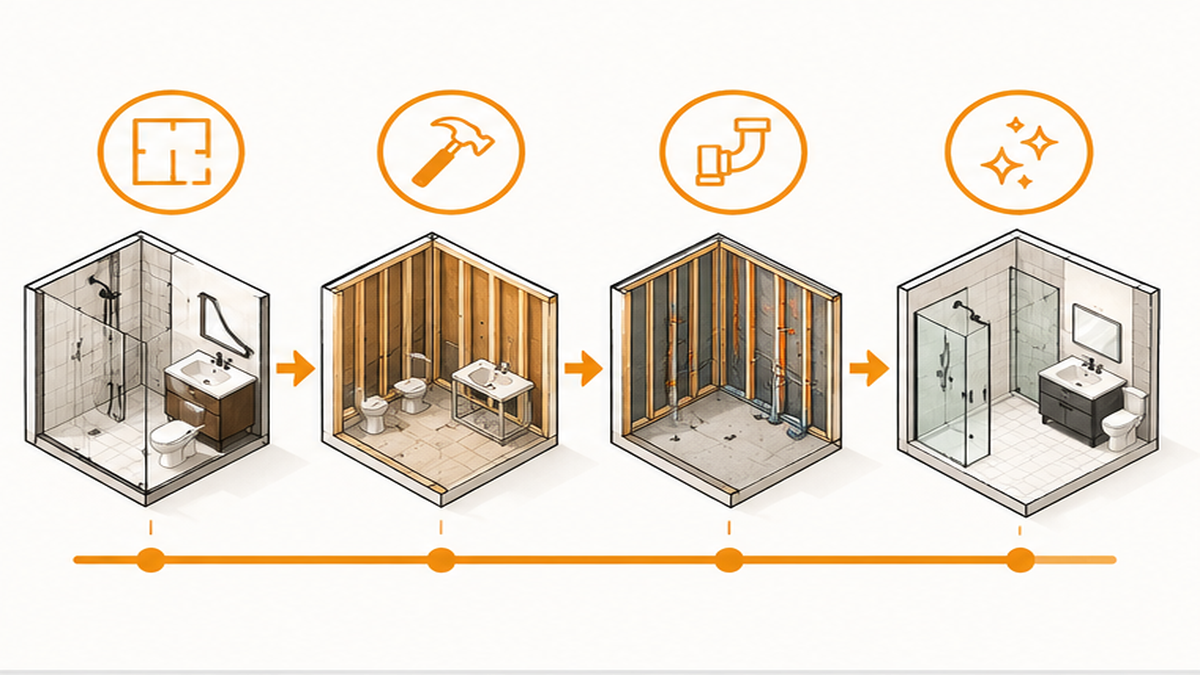
Bathroom remodeling projects vary widely in scope, from straightforward tile refreshes to full tear-outs down to the wall studs. Online calculators fail to reflect real site conditions because they cannot account for hidden subfloor deflection, water intrusion, or irregular framing. A thorough Bathroom Remodeling plan evaluates specific cost factors during an on-site visit before setting the final budget.
| Cost Factor | Simpler Scope | Complex Scope |
|---|---|---|
| Substrate Prep | Flat subfloor requiring minor patching | Deflection repairs, joist reinforcement, leveling |
| Waterproofing | Standard tub surround sheet membrane | Custom curbless shower pan, flood testing |
| Tile Material | Standard ceramic or glazed porcelain | Natural stone, mosaics, complex herringbone |
| Layout Detailing | Straight grid with minimal cuts | Recessed niches, benches, mitered stone trim |
Material choices drive a substantial share of total investment. Standard ceramic cuts quickly and sets cleanly, whereas dense porcelain or natural marble requires specialized diamond blades and careful thin-set mortar selection. Substrate condition discovered during demolition can also shift project labor, especially if previous leaks weakened structural framing.
Homeowner Decision Points Before Demolition Begins

Homeowners facing a bathroom renovation must weigh several practical choices before demolition begins. First, determine whether your layout requires moving primary plumbing fixtures. Keeping toilets, drains, and supply valves in their existing locations reduces labor costs, whereas relocating fixtures demands subfloor trenching and vent pipe adjustments.
Second, choose between a traditional curbed shower and a curbless walk-in enclosure. Curbless designs require lowering the subfloor framing or using ramped pans to maintain proper drainage slope. Third, select tile materials aligned with your maintenance preferences. Dense porcelain resists moisture uptake in wet areas, whereas natural stone demands periodic penetrating sealer to guard against hard water staining.
Finally, plan fixture storage and wall details early. Incorporating recessed wall niches and floating benches during framing prevents awkward tile cuts later. Exploring options in Bathroom Design helps clarify how grout widths, transition thresholds, and edge profiles come together into a cohesive room.
Common Mistakes in Bathroom Remodeling Projects
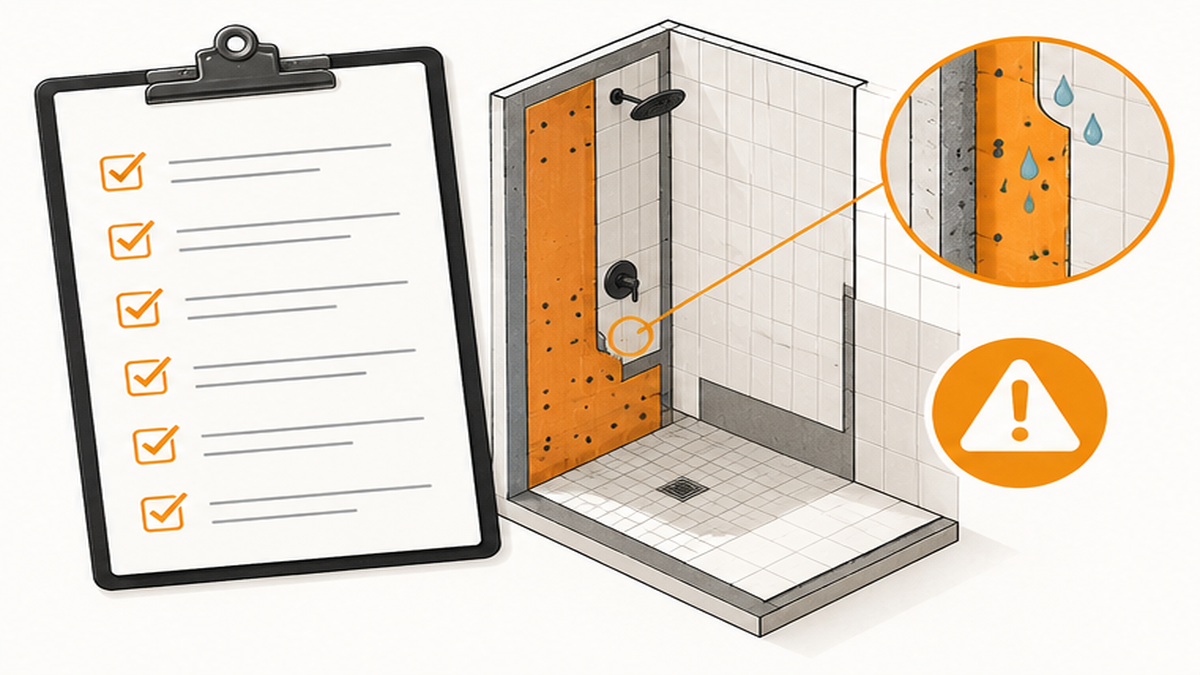
The most frequent failure in bathroom renovations involves inadequate waterproofing behind wet-area wall tiles. Homeowners sometimes assume tile and grout lines are waterproof on their own. In reality, moisture penetrates cementitious grout joints, making continuous backerboard waterproofing and sealed screw penetrations essential to prevent framing rot.
Another common mistake is neglecting subfloor stiffness. Installing heavy floor tiles over flexible or unreinforced plywood leads to cracked grout and broken tiles under daily foot traffic. We check floor deflection before setting tiles to ensure the base meets industry standards.
Third, skipping layout dry-fits often creates uneven perimeter cuts and toe-stubbing tile lippage. Planning grid lines from the center of the room balances cuts against opposite walls. Lastly, rushing mortar and grout cure times risks bond failure before the bathroom enters daily service.
When to Call a Professional Bathroom Contractor
Certain bathroom conditions require experienced contractor intervention rather than handyman fixes or do-it-yourself attempts. If your existing shower floor feels spongy, or if tiles have loosened around the drain, hidden water intrusion has likely damaged the wood framing beneath. Repairing subfloor rot and rebuilding shower pans to proper plumbing slope demands precise carpentry and masonry methods.
Structural leveling represents another critical threshold. Older homes in Franklin frequently feature settled floors that require sistering joists or pouring self-leveling underlayment before setting large-format tiles. In addition, intricate mosaic patterns, steam shower enclosures, and floor-to-ceiling stone slabs require specialized setting tools and mechanical leveling clips.
Oleksiy Kolesnyk personally executes every phase of the project, from tear-out and substrate rebuilding to final grout lines. For comprehensive scope guidance, our Bathroom And Remodeling resources outline how dedicated trade planning protects your home from costly installation errors.
Related Bathroom Remodeling Guides
Request an Estimate for Your Bathroom Project
Frequently Asked Questions About Bathroom Remodeling
What is the average cost of labor to remodel a bathroom?
What does a bathroom remodel look like?
How long does a bathroom tile remodel take?
How do I request a bathroom remodel estimate?
Maintenance Tips for Newly Remodeled Bathrooms
Protecting your remodeled bathroom starts with proper routine care. Clean ceramic and porcelain tiles using pH-neutral cleaners formulated for tile and stone. Avoid harsh acidic solutions or bleach, which degrade cementitious grout and erode stone surfaces over time.
Maintain effective room ventilation to control humidity during and after showers. Running exhaust fans for twenty minutes post-shower prevents mildew growth on surface joints. For natural stone surfaces, apply a penetrating sealer annually to prevent mineral staining from tap water.
Finally, inspect flexible silicone sealant along perimeter expansion joints and inside corners every six months. If joint sealant shows separation, replacing it promptly maintains moisture protection. Homeowners who also maintain stone surfaces can review our Kitchen Tile Services guide for care techniques across different home areas.