
How To Install Accent Wall Tile
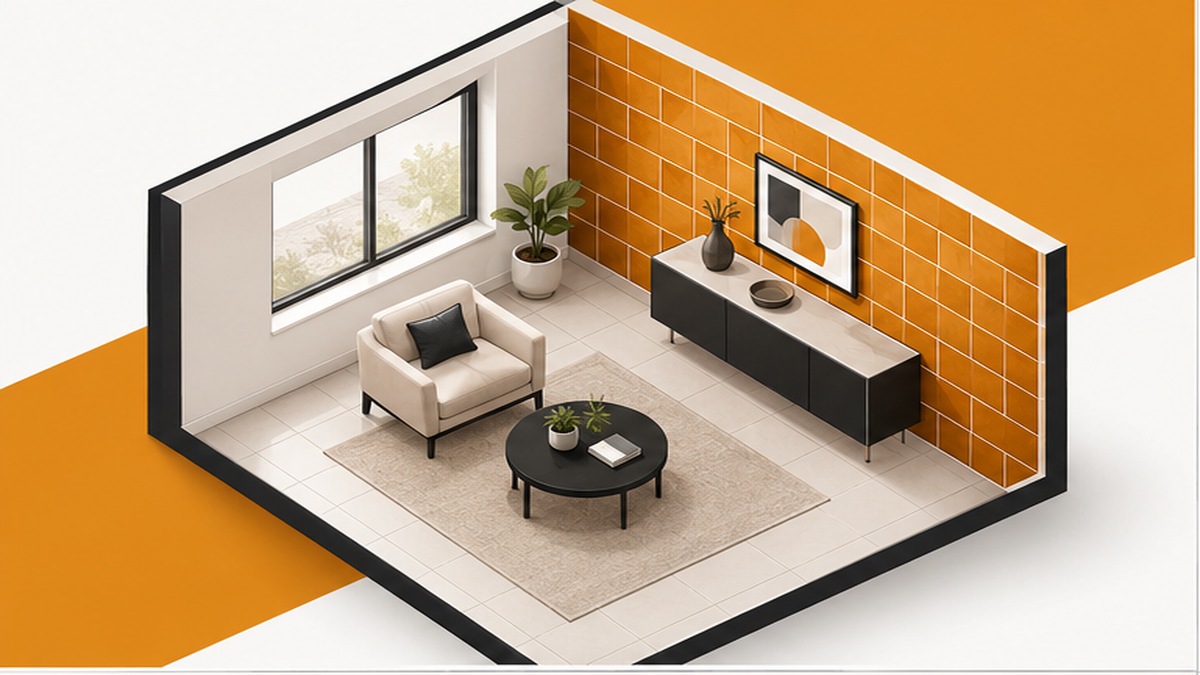
Installing accent wall tile requires preparing a flat substrate, planning a symmetrical layout, applying thin-set mortar, setting the tile, and finishing with grout. Many homeowners worry that an Accent Tile Wall layout will look misaligned or uneven, especially in highly visible areas like a living room or kitchen. A proper installation starts with checking the wall for flat conditions before any thin-set is mixed. If the drywall dips or bows, the final tile surface will show lippage, catching the light poorly. For homeowners in Franklin, TN, understanding these steps helps ensure the finished decorative wall feature looks exactly as planned. Whether you are updating a bar backsplash or adding a floor-to-ceiling focal point, the process demands precision.
The Installation Process Explained
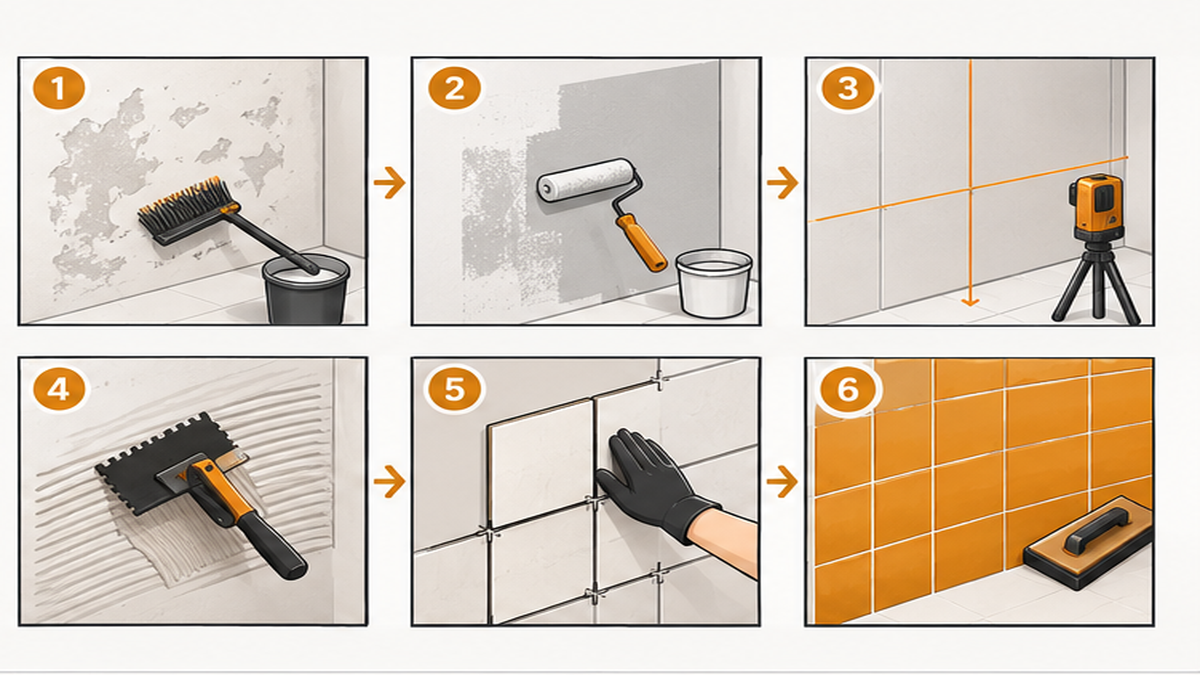
The actual process of setting tile on a wall involves a specific sequence and clear craft terms. First, the surface prep must be thorough. We check the drywall or backerboard for deflection and flatness, filling any low spots so the wall is plumb. Next comes layout planning. We measure the wall to find the center point, ensuring the cuts on the left and right edges remain equal. This prevents narrow, awkward tile slivers in the corners that draw the eye for the wrong reasons.
Once the layout is marked and double-checked, we mix the thin-set mortar to the correct consistency. We apply the mortar using a notched trowel, which creates uniform ridges that collapse evenly when the tile is pressed into place. Alignment is checked constantly with a laser level. Spacers keep the grout joints uniform as the mortar cures. After the thin-set hardens—usually requiring 24 hours of undisturbed time—we remove the spacers and apply the grout. Finally, a thorough cleanup removes any grout haze from the tile face, leaving a crisp finish. This controlled process keeps the work area clean and protects your home during the installation.
Key Decisions Before Installation Begins
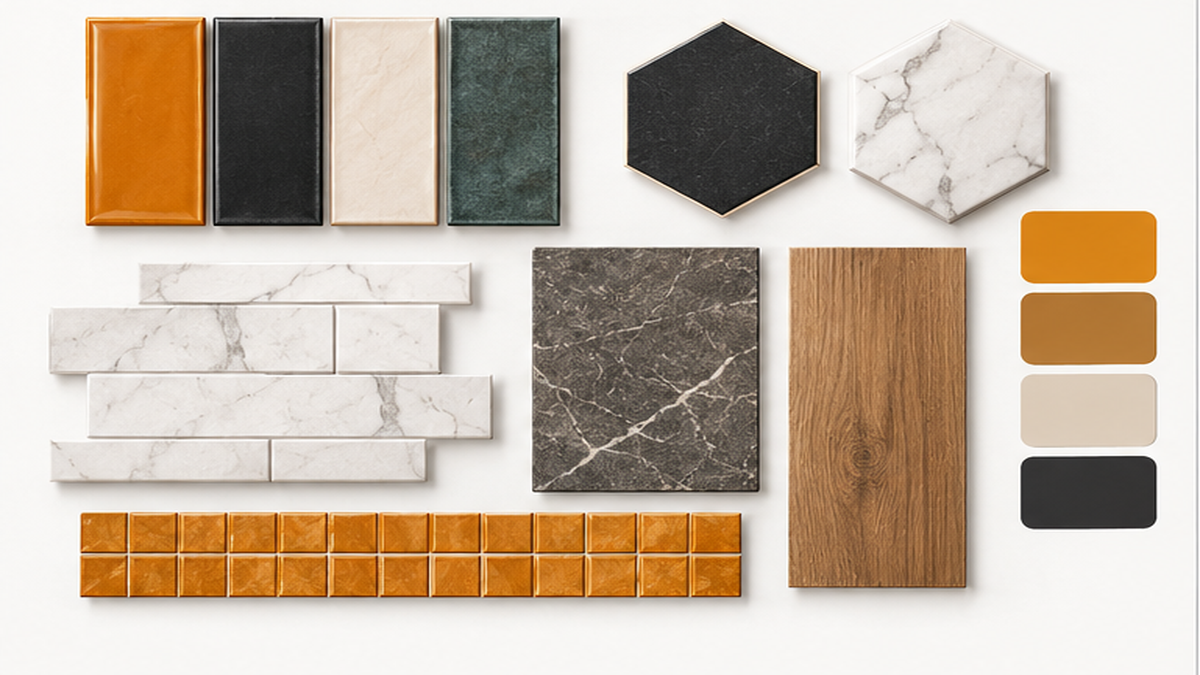
Before the first tile is cut, you have several choices that dictate the final look of your kitchen backsplash or decorative wall. Material selection is the primary driver. Ceramic and porcelain are common, durable choices, but natural stone requires different handling and sealing protocols. Reviewing Backsplash Ideas early helps narrow down these material options. Next, consider the tile layout and alignment. A standard horizontal brick lay offers a classic look, while vertical tile layouts can make a ceiling feel taller and add a modern touch.
You also need to select the grout finish. A contrasting grout color highlights the tile shape, while a matching color creates a unified, subtle texture across the wall. Finally, think about the edges and transitions. We plan how the tile will transition back to the bare drywall, often using metal profile trims or bullnose pieces for a clean, deliberate border. Discussing these details during the design consultation ensures the final accent wall matches your expectations and fits the room's lighting.
Common Mistakes to Avoid
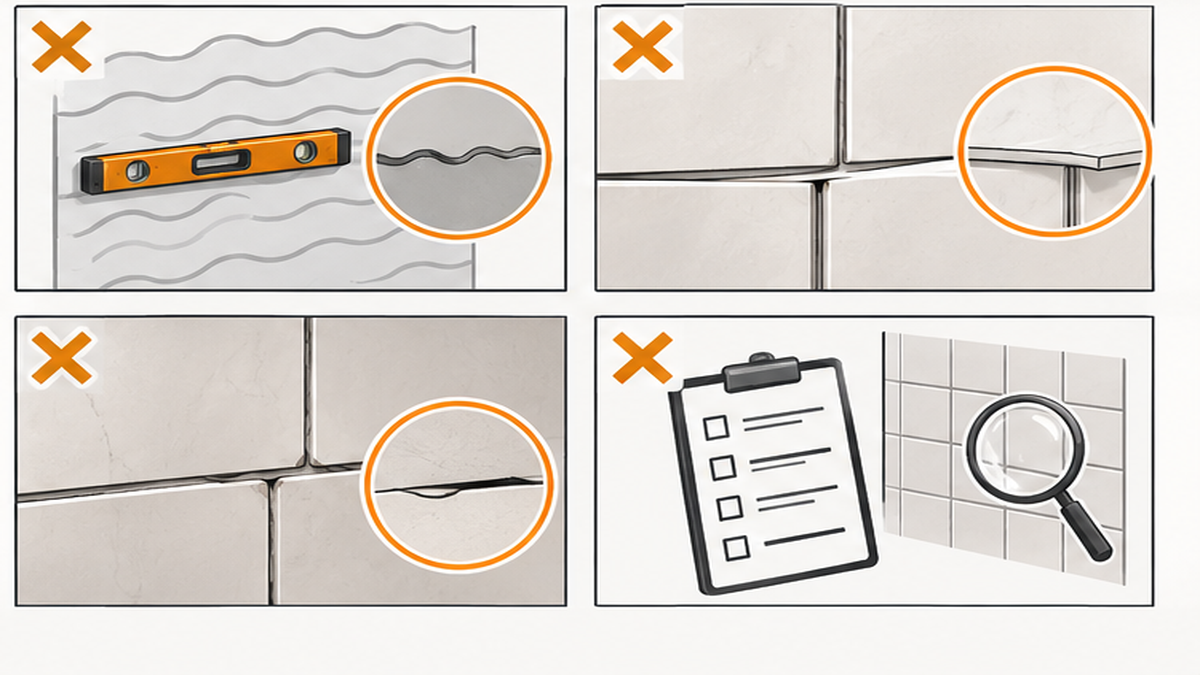
A frequent issue with wall tile projects is skipping the initial surface inspection. If you install rigid tile over a wavy wall, the edges will stick out, creating sharp points known as lippage. Another common error is starting the tile layout from the bottom corner without measuring the full wall. This often results in a tiny, uneven cut at the ceiling or the far wall, ruining the symmetry of the design.
Poor jobsite management is also a major frustration for homeowners. Tile installation generates dust, and cutting tile creates debris. Failing to protect floors, cover vents, and manage the mess in a lived-in kitchen or living area turns a simple upgrade into a major headache. Finally, using the wrong setting material for the specific tile type can lead to loose tiles down the road. Heavy large-format tiles require specific polymer-modified thin-set to prevent them from sliding down the wall before the mortar cures.
When to Hire a Tile Contractor
While a simple, small backsplash might be manageable for some, larger accent walls usually require an experienced tile contractor. You should call a professional for Tile Wall Installation when the project involves complex patterns, such as herringbone, which demand precise mathematical layout planning to keep the points aligned. Large-format tiles also require specialized suction tools and advanced substrate prep to sit flat against the wall.
If your wall has multiple electrical outlets, windows, or cabinets to cut around, a professional has the wet saws and diamond grinders needed to make clean, accurate outlet cuts without chipping the material. Oleksiy Kolesnyk and the team at Craftsman Tile and Stone bring over 20 years of tile and stone experience to these exact situations. We handle the dust control, the precision cutting, and the layout math so you do not have to worry about misaligned grout lines or a messy living room.
Related Tile Services
Ready to Update Your Space?
Common Questions About Accent Wall Tile
How is accent wall tile priced per square foot in my area?
What is the 3 4 5 rule for tiling?
How long does backsplash installation take?
Who should I hire for accent wall tile in my area?
Maintaining Your Tile Wall
Keeping your new accent wall or kitchen backsplash looking pristine requires minimal but consistent care. Wipe down the tile surface regularly with a damp microfiber cloth and a pH-neutral cleaner. Avoid harsh, acidic chemicals that can break down the grout lines over time.
If you chose natural stone for your decorative wall, you will need to apply a penetrating sealer periodically to prevent stains from cooking splatters or spills. For standard ceramic or porcelain tile walls, simply keeping the grout clean and dry is usually enough to maintain the finish for decades. Always address any spills immediately, especially on a bar backsplash where wine or acidic liquids might sit on the grout.