
Ledger Stone for a Fireplace Surround
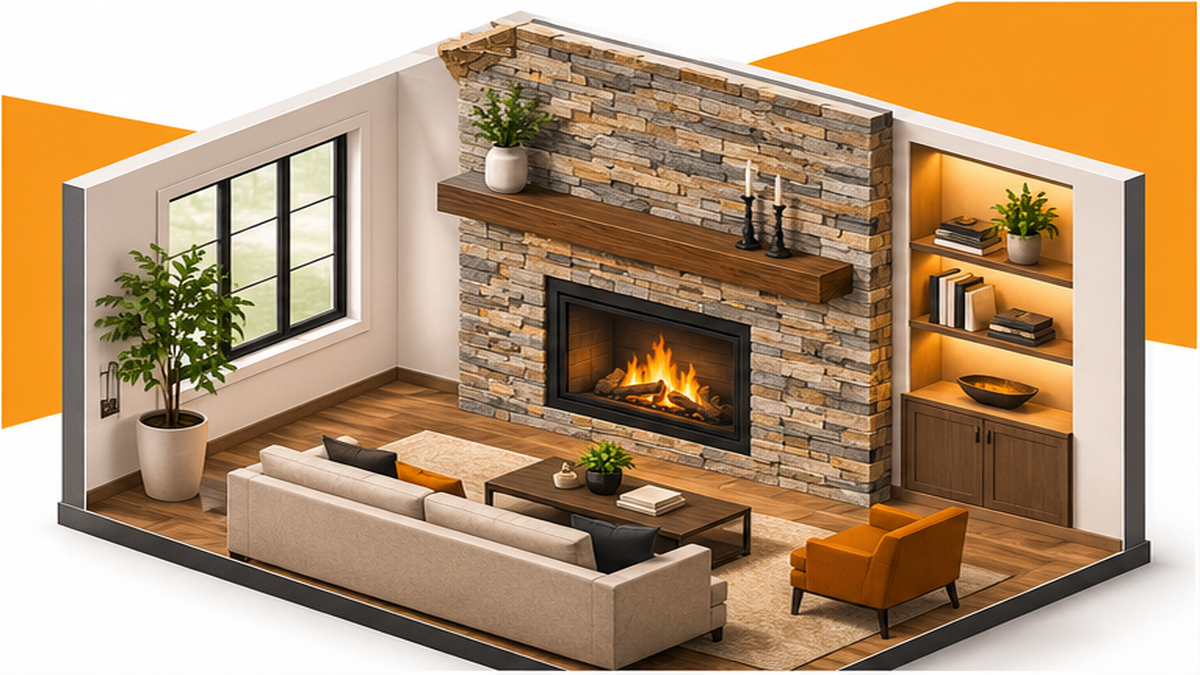
Ledger stone for a fireplace works well when installed over a flat, non-combustible substrate with heat-rated thin-set mortar that supports the panel weight. For homeowners in Franklin, TN and Williamson County, stacked stone panels add textured depth to a fireplace surround, mantel surround, or hearth transition without needing individual small-stone setting. At Craftsman Tile and Stone—established in 2011 and owner-operated by principal craftsman Oleksiy Kolesnyk with 20+ years of tile and stone experience—every fireplace project starts with checking wall framing, substrate flatness, and clearance rules around the firebox. Before choosing stone thickness or layout patterns, review how panel weight and surface prep shape a lasting installation.
How Ledger Stone Works on Fireplace Surrounds
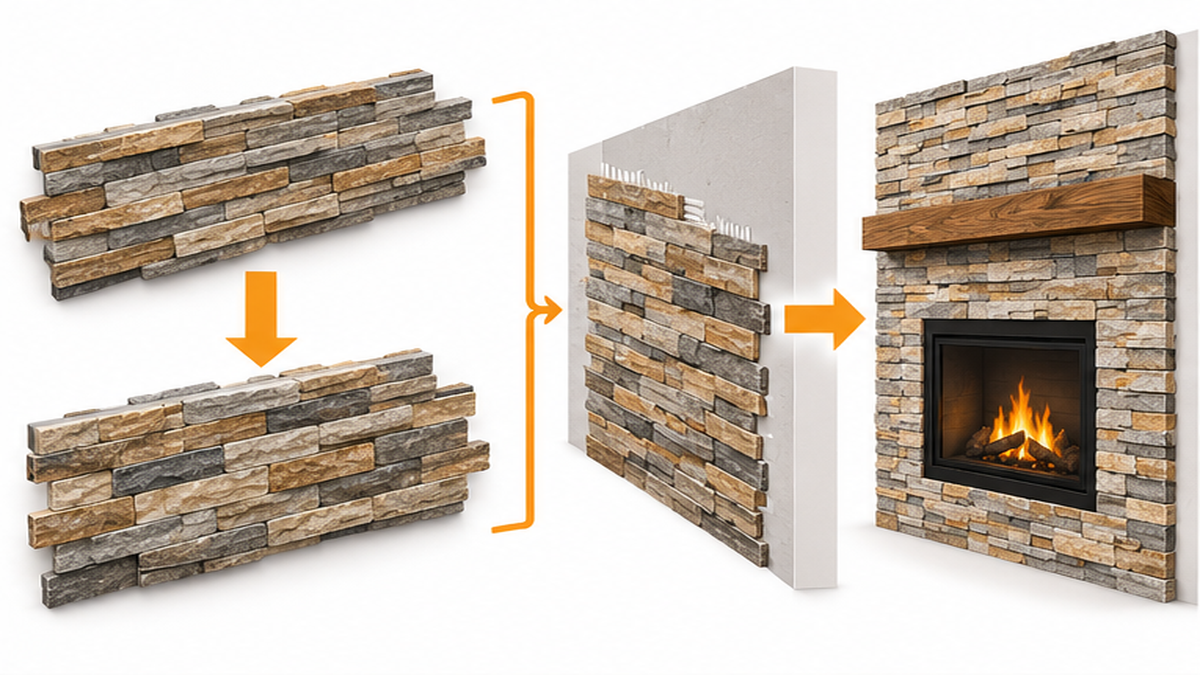
Ledger stone panels consist of natural or manufactured stone strips pre-mounted on interlocking sheets, which creates a dry-stacked appearance once set. Because fireplace walls experience steady heat cycles, heat-resistant material selection and polymer-modified thin-set mortar keep individual stone strips bonded through seasonal temperature swings. Proper surface prep matters just as much as the stone itself, since drywall or painted surfaces rarely support heavy stone panels without cement backerboard secured to sound framing.
Homeowners comparing Stone Fireplace Installation options also need to plan around vertical layout lines and outside corners. Most ledger stone installations use tight, dry-stacked joints rather than wide sanded grout joints, so horizontal courses must stay level from the hearth tile up to the mantel surround or ceiling line. Because every fireplace wall varies in framing, firebox clearance, and panel thickness, we do not publish a public price list or online calculator number—final cost is set only after an on-site inspection and a mutually approved work plan. Key factors that shape the estimate include stone material price and panel weight, substrate condition and backerboard prep, outside corner returns, mantel integration, and working access inside an occupied home.
Key Decisions Before Selecting Your Stone
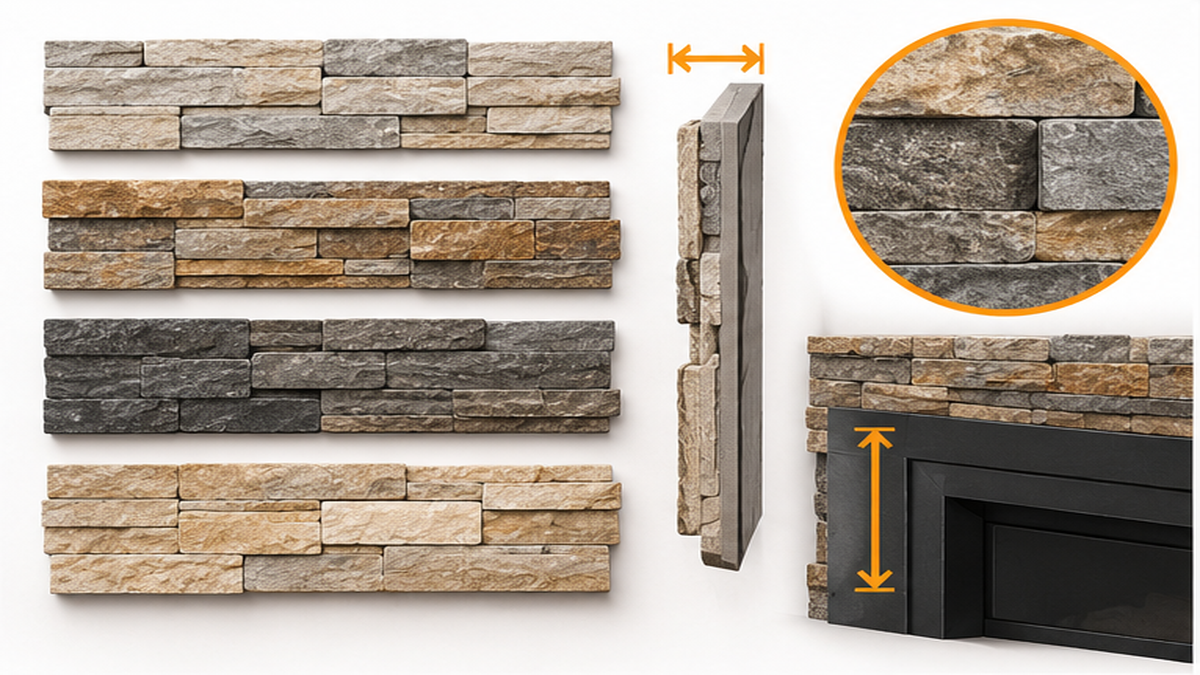
Choosing the right ledger stone profile starts with evaluating how panel thickness interacts with your existing firebox trim, mantel projection, and hearth depth. Thicker split-face stone creates dramatic shadow lines, while flatter honed panels sit closer to the wall and simplify transitions around existing wood mantels or flush metal firebox surrounds. You can also explore Fireplace Tile Surround Ideas to compare full-height stone walls against lower surround designs.
- Corner treatment: Decide between prefabricated L-shaped corner pieces for a continuous wrapped look or mitered stone edges where the surround meets adjacent drywall.
- Stone relief and texture: Rough split-face quartzite or slate casts deeper shadows under overhead lighting, whereas smoother limestone profiles collect less surface dust.
- Hearth and mantel tie-in: Confirm that thicker stone panels leave enough projection on the mantel shelf and sit cleanly above the hearth tile without blocking firebox louvers or glass doors.
- Joint and trim finish: Dry-stacked panels rely on tight factory edges with minimal visible mortar, while select modular stone styles use narrow grout joints for a traditional masonry look.
Common Ledger Stone Installation Mistakes to Avoid
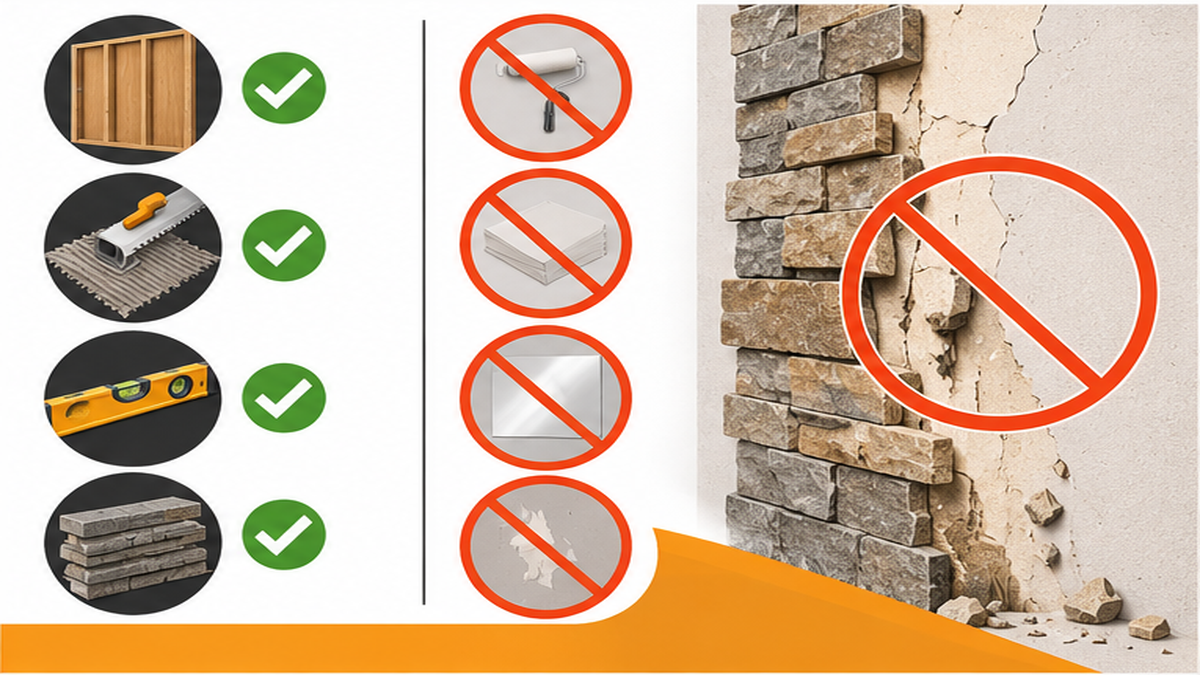
Installing ledger stone directly over standard drywall or glossy painted plaster is one of the fastest ways to cause bond failure as stone weight pulls against the paper facing. A sound fireplace surround requires cement backerboard fastened properly to wall studs so the substrate handles both panel weight and radiant heat without flexing.
Another frequent issue is skipping dry-fit layout planning before mixing thin-set mortar. Ledger stone panels vary in height and color tone from box to box; blending pieces from multiple cartons prevents noticeable color blocks and avoids awkward thin sliver cuts right under the mantel surround. Failing to check for lippage between adjacent panel edges or ignoring manufacturer clearance distances around gas and wood-burning fireboxes can also force costly rework once the mortar cures.
When to Bring In a Tile and Stone Craftsman
Full-height fireplace walls, heavy natural stone panels, and surrounds with outside chimney chases benefit from experienced layout and substrate preparation. Cutting dense quartzite or stacked slate cleanly around metal firebox trim, electrical outlets, and recessed TV niches requires wet-saw precision and careful support while thin-set mortar sets.
When your project involves removing old brick or tile, rebuilding uneven framing, or aligning stone across a tall living room wall in Franklin, Brentwood, Spring Hill, Arrington, or College Grove, working directly with an experienced craftsman protects both your home and the finished stonework. At Craftsman Tile and Stone, Oleksiy Kolesnyk personally handles every phase of the job—keeping work areas contained, surfaces covered, and daily cleanup thorough—backed by a 5-star Google rating with 50+ verified Google reviews.
Related Fireplace and Tile Resources
Plan Your Fireplace Stone Project
Common Questions About Ledger Stone Fireplaces
How is Fireplace Tiling priced in my area?
how to install ledger stone on a fireplace?
How long does Fireplace Tiling take?
How do I get an estimate?
Caring for a Ledger Stone Fireplace Surround
Routine care keeps textured ledger stone looking crisp without trapping soot or household dust in rough stone crevices. Vacuum the stone face periodically using a soft brush attachment, working from the top of the surround down toward the hearth tile so loose dust does not settle into lower ledges.
For natural stone panels, applying a breathable, heat-safe penetrating sealer after installation helps resist smoke staining and makes soot easier to wipe away with a slightly damp microfiber cloth. Avoid acidic household cleaners or harsh wire brushes, which can etch natural stone minerals or loosen dry-stacked edges over time.