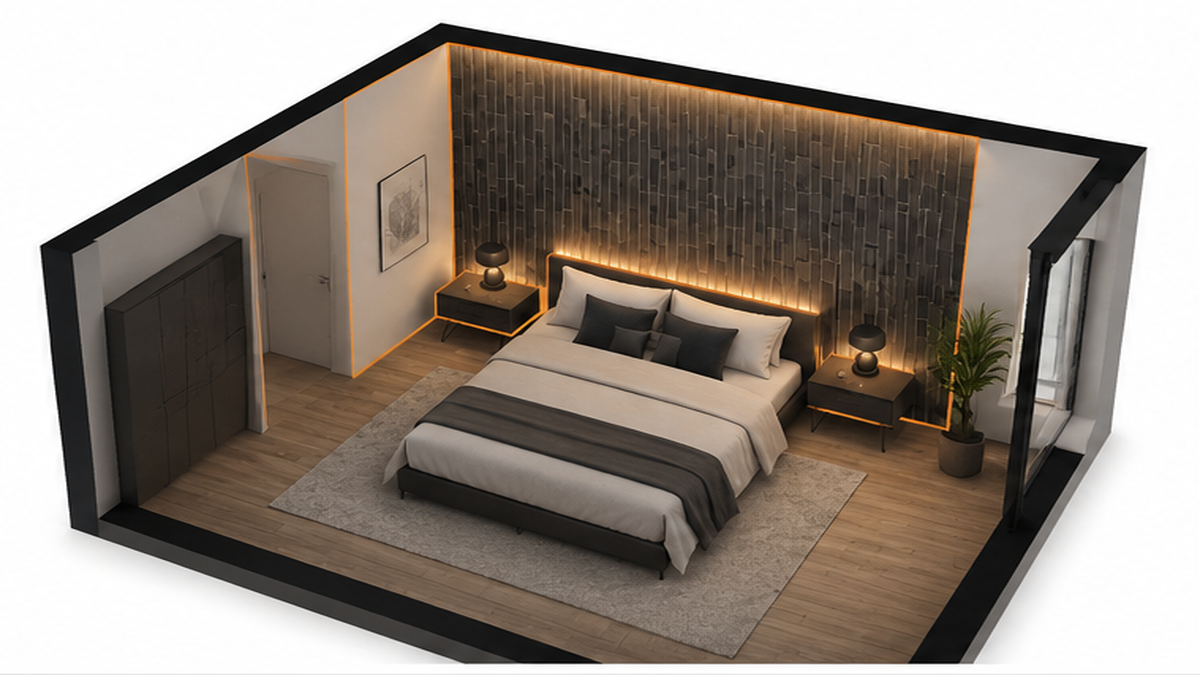
What Is An Accent Tile Wall?
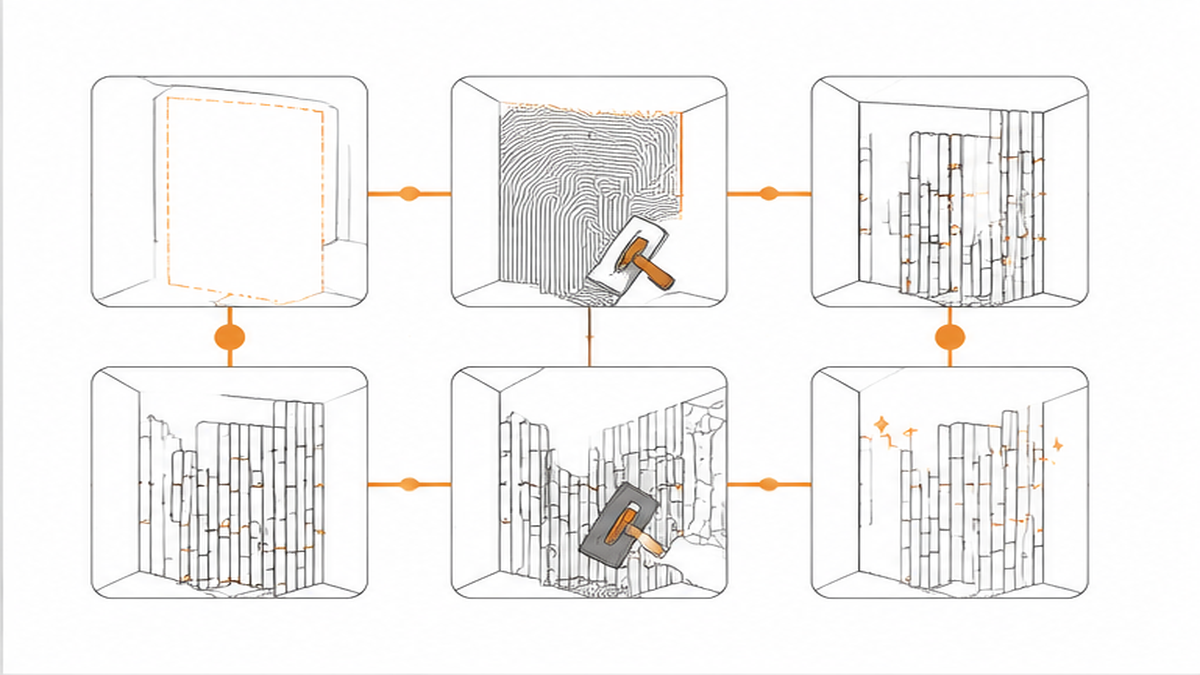
How Accent Wall Tile Installation Works
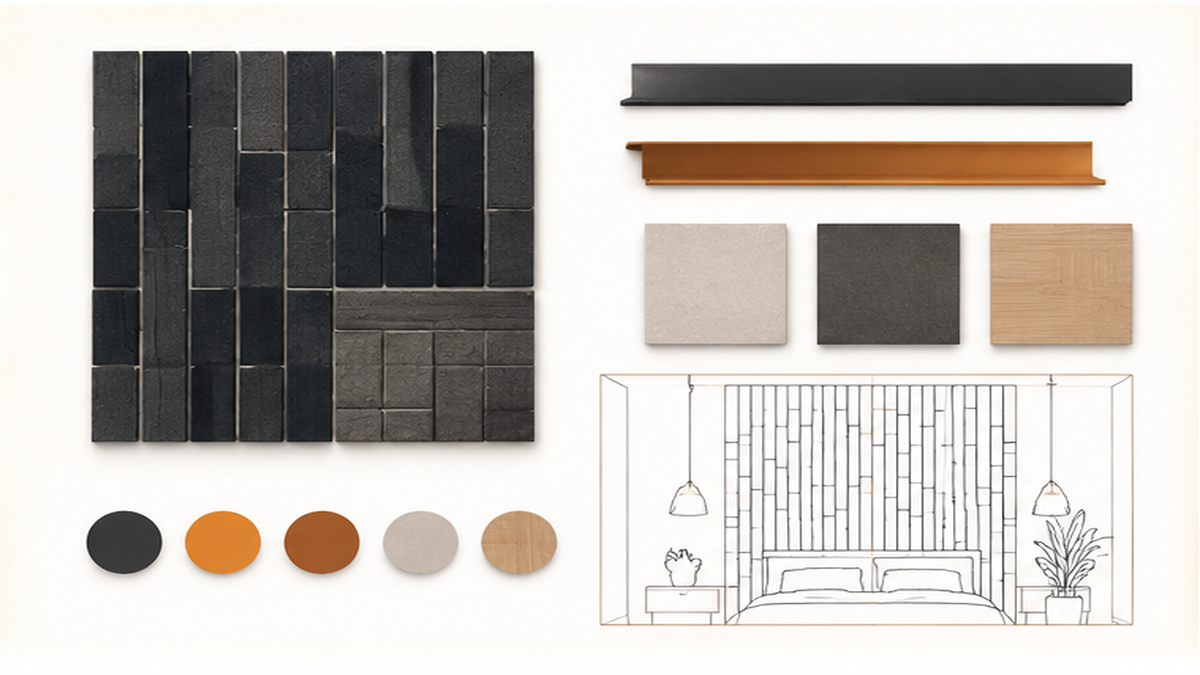
Planning Your Accent Wall Layout and Materials
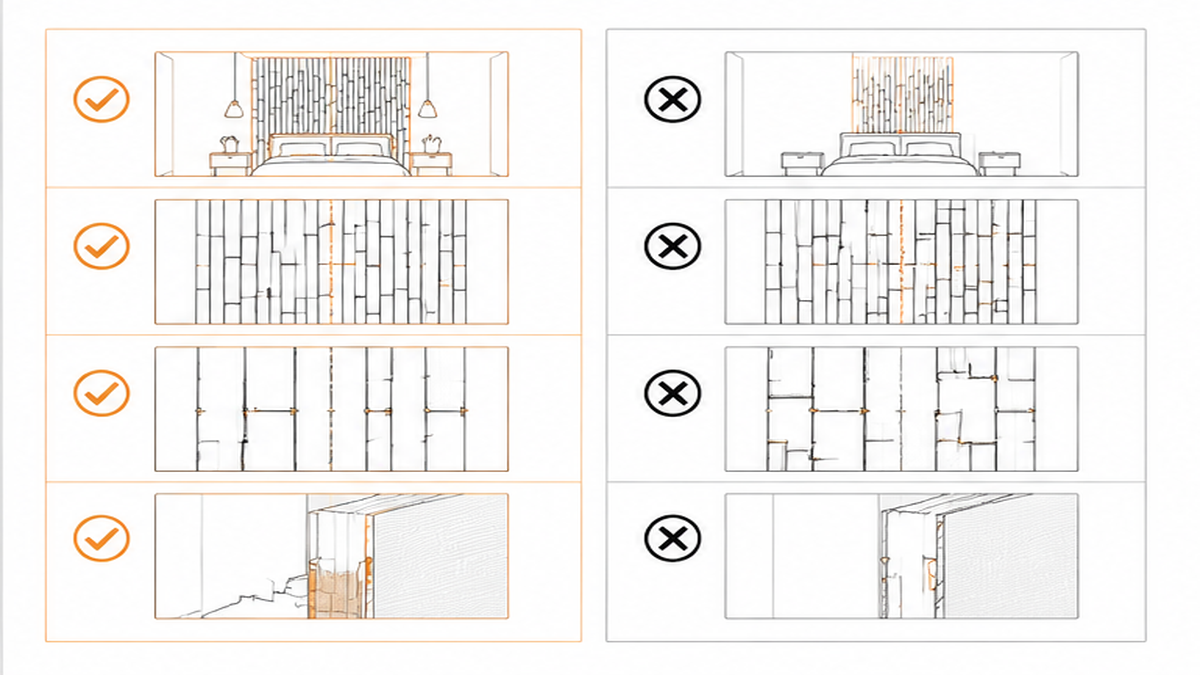
Mistakes to Avoid with Decorative Wall Tile
When to Hire a Tile Contractor
While painting a wall is a weekend project, setting an accent tile wall often requires a professional. You should call a contractor when the wall surface is uneven, damaged, or requires structural reinforcement to hold the weight of heavy stone or large-format porcelain. If your design includes complex patterns, such as herringbone, or requires precise outlet cuts, an experienced installer ensures the grout lines remain straight and consistent. It is also time to hire a pro if you are concerned about surprise costs after work begins. A reputable tile contractor will provide a clear estimate preparation checklist and assess the substrate before giving a final price. If you are planning a broader renovation, coordinating the wall tile with other trades is crucial. For instance, if you need Bathtub Wall Tile Installation or a full shower update, a professional handles the necessary waterproofing that dry-area accent walls do not require. Oleksiy personally handles every project in Williamson County, ensuring the layout is planned correctly and the final finish meets our strict standards for symmetry and cleanliness.Related Tile and Backsplash Resources
Ready to Plan Your Accent Wall?
Common Questions About Accent Tile Walls
What is the trend in the accent wall in 2026?
Current accent wall directions include vertical layouts, natural stone texture, and contrast grout to add visual interest. Homeowners in Franklin are moving away from busy mosaics in favor of large-format tiles that minimize grout lines. These choices create a clean, intentional focal point without overwhelming the room.
What is the rule for Accent walls?
A practical accent-wall rule is to keep the pattern on one focal wall and balance bold tile with quieter surrounding surfaces. Applying heavy textures or dark colors to multiple walls can make a space feel cramped. Choose the wall that naturally draws the eye, such as the space behind a fireplace or a headboard, to anchor the room’s design.
What is accent wall tile?
Accent wall tile is decorative tile installed on a single interior wall to create a visual focal point. Unlike functional wet-area tiling, this application is primarily aesthetic. It uses materials like glass, natural stone, or textured ceramic to introduce color and dimension into living rooms, dining areas, or dry bathroom walls.
Are Accent walls outdated in 2026?
Accent walls remain popular when the tile scale, color, and grout contrast fit the overall room design. The practice of simply painting one wall a bright color has faded, but textured tile walls continue to add lasting architectural interest. Using proper materials ensures the feature feels integrated rather than like an afterthought.
What tile works well for a kitchen backsplash?
Porcelain, ceramic, and glass mosaic are common for kitchen backsplashes because they handle moisture and are easy to wipe down. These materials resist cooking splatters and stains better than porous natural stone. When planning your layout, consider how the tile edges will be trimmed and whether the grout color will hide daily wear.
Do walls need leveling before mosaic accent tile?
Walls often require leveling or backer board before mosaic or large-format tile installation so grout lines stay even and tiles do not lip. Drywall is rarely perfectly flat. If the substrate dips or bows, the flexible sheets of mosaic tile will follow those imperfections, creating noticeable shadows and a wavy appearance under overhead lighting.