
Choosing the Right Backsplash Tiles for Your Kitchen
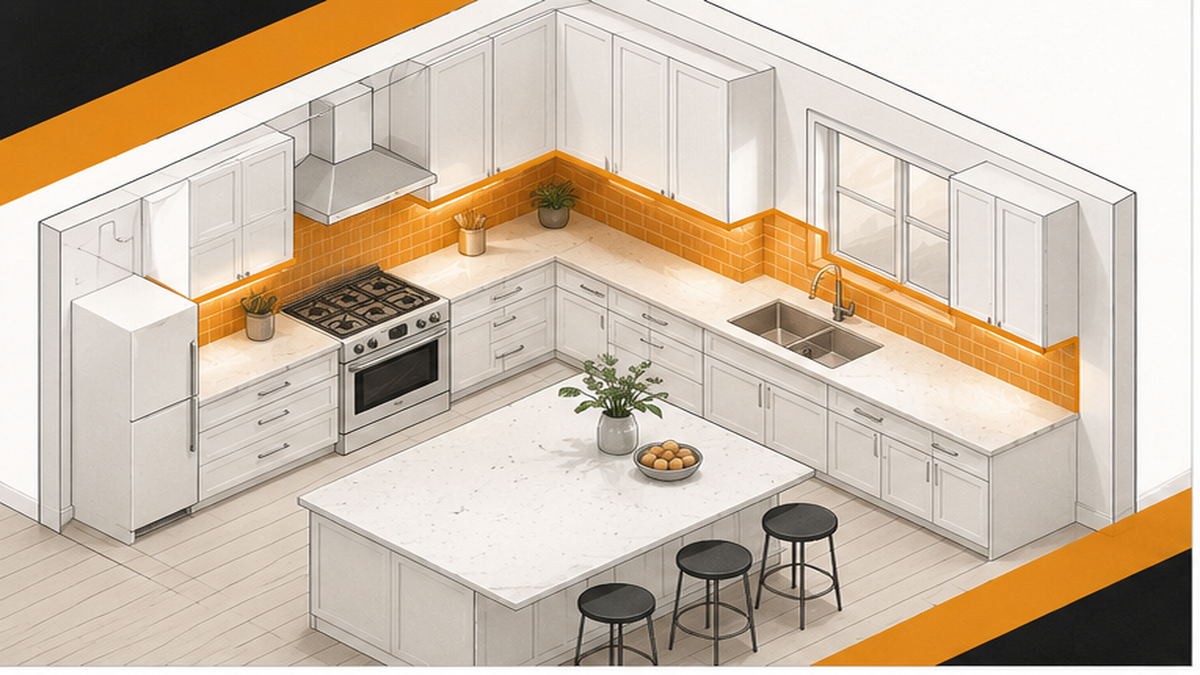
Choosing backsplash tiles for a kitchen involves matching your design vision with materials that handle daily cooking moisture and grease. In Franklin, TN, homeowners often select glazed ceramic or dense porcelain for these high-traffic cooking zones. Craftsman Tile and Stone handles custom kitchen tile services, focusing on precise layout planning and proper surface prep. Oleksiy Kolesnyk personally executes every project to ensure the grout lines are level and symmetrical. A successful installation starts with an accurate assessment of your drywall and existing conditions. We will walk you through the material selection and estimate preparation checklist before any demolition begins. You get a clear, written scope of work that outlines every step of the process.
The Importance of Proper Surface Preparation
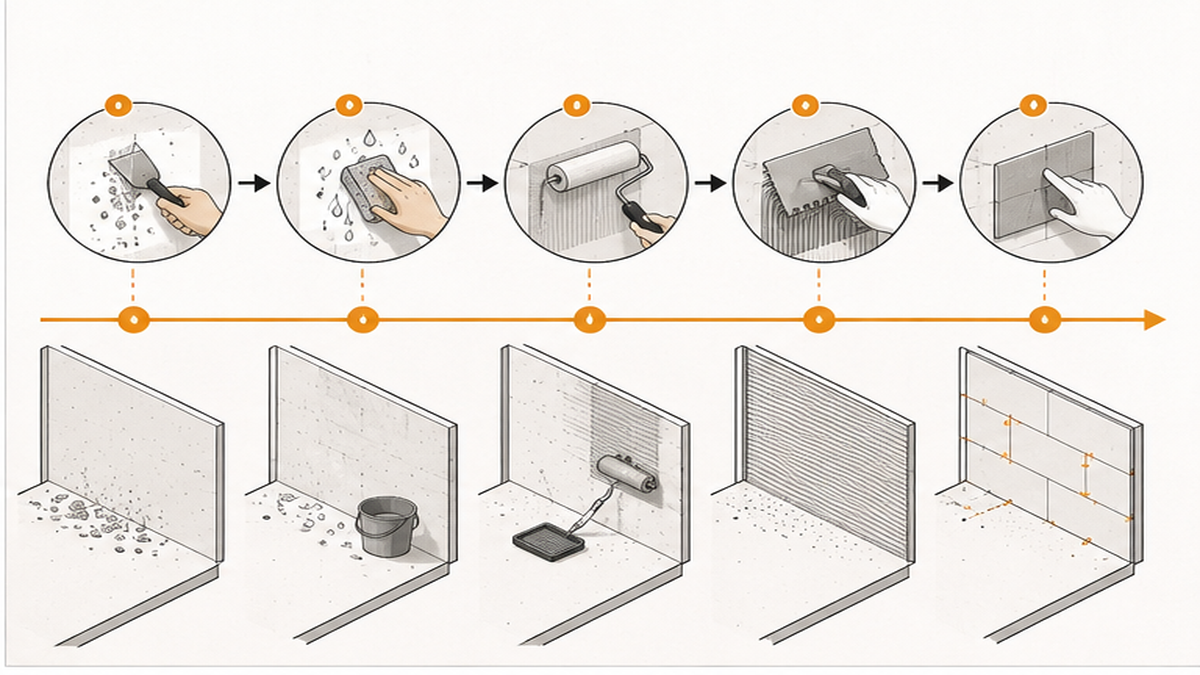
A proper kitchen backsplash requires more than just pressing tile onto drywall. We start with thorough substrate prep to ensure the wall is flat and structurally sound. If the drywall is damaged from a previous removal, we repair or replace it so the new material has a solid foundation. Layout planning is the next critical phase. We measure the space between the countertops and cabinets to center the pattern and avoid awkward sliver cuts around outlets or window casings. Moisture protection matters behind sinks and stoves, where water and grease frequently splash. We apply appropriate sealants and use high-quality thin-set mortar designed for vertical applications.
Whether you choose classic subway tiles or intricate mosaics for your Tile Walls & Backsplashes, the underlying preparation dictates the final result. We check for level lines across the entire span of the kitchen, adjusting for any slight dips in your countertops or upper cabinets. This careful alignment prevents lippage and keeps the grout joints uniform from end to end. Taking the time to prep the surface correctly ensures the tile stays firmly attached and looks pristine for decades.
Material Selection and Layout Options
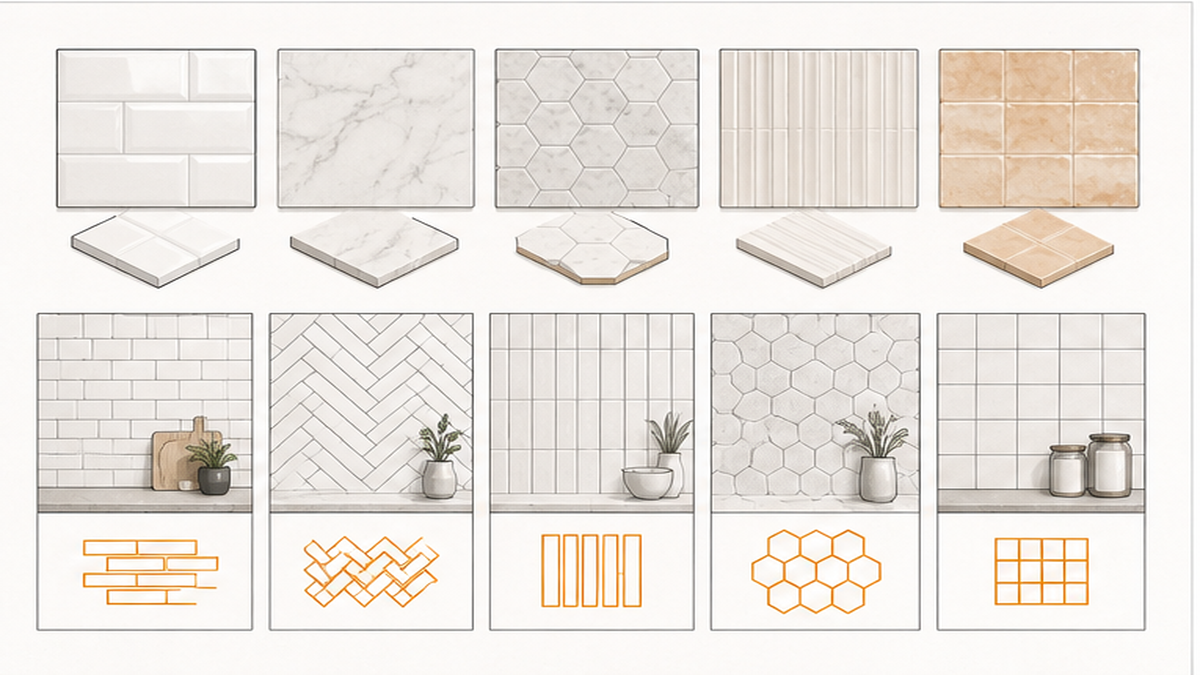
When selecting your materials, consider how the backsplash interacts with your existing finishes. The tile should complement your cabinets, countertops, and Flooring Kitchen Tile without overwhelming the room. Dense porcelain and glazed ceramic are highly practical because they resist stains and wipe clean easily. Natural stone offers a classic look but requires regular sealing to block cooking oils and food splatters. Pattern complexity also plays a major role in your decision. A standard horizontal brick lay moves quickly and keeps labor costs manageable. Herringbone patterns or custom mosaics demand more intricate cuts, which extends the timeline and increases the overall investment.
You also need to decide on the grout joint width and color. A contrasting grout highlights the tile shape, while a matching grout creates a subtle, continuous surface. We help you weigh these repair vs replacement criteria and material choices during the initial consultation. Our goal is to provide a clear path forward that aligns with your daily kitchen use and budget. We explain exactly how different materials perform so you know what to expect long after the installation is complete.
Avoiding Costly Installation Errors
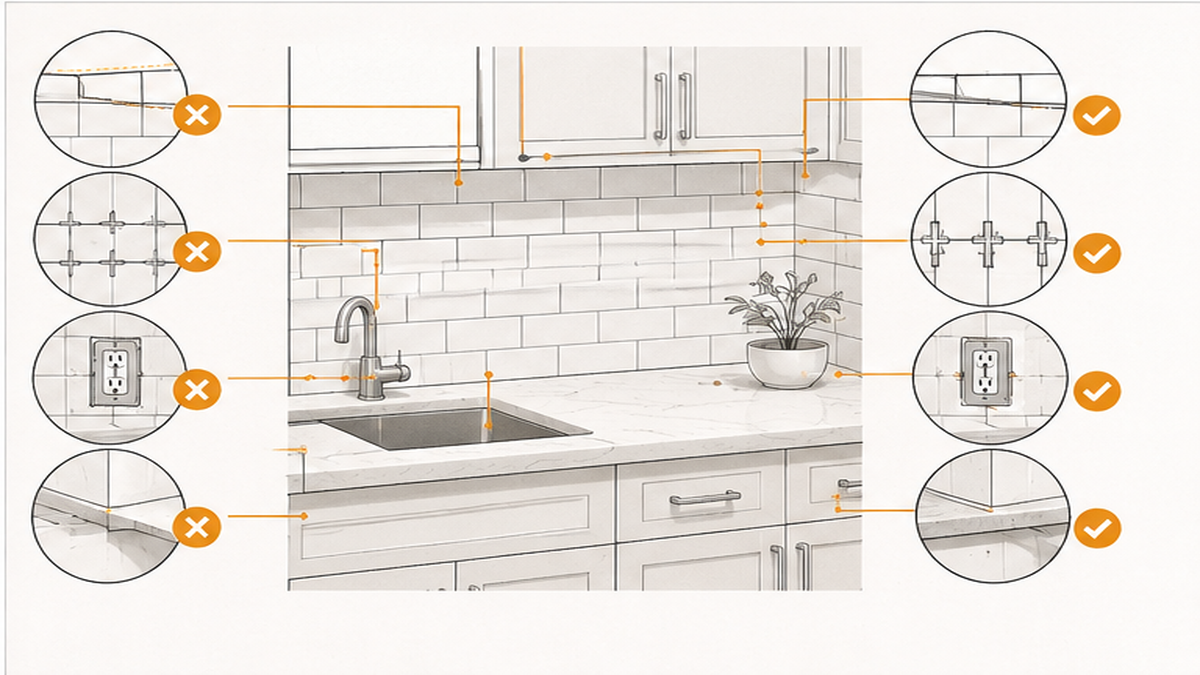
One common error homeowners make is buying tile without accounting for waste and complex cuts. You generally need at least ten percent extra material, and up to twenty percent for diagonal layouts. Running short mid-project causes frustrating delays, especially if the specific dye lot is no longer available. Another frequent misstep is ignoring the condition of the existing wall. Applying new tile over loose or damaged drywall guarantees a failing installation. We strictly follow proper surface prep guidelines to prevent tiles from sagging or popping off later.
Poor layout planning around electrical outlets is another visible mistake. If the installer does not calculate the grid beforehand, you end up with tiny, uneven tile slivers surrounding your switches. Finally, choosing the wrong grout type can ruin a beautiful design. Kitchens need stain-resistant grout that withstands frequent scrubbing. If you are reviewing a Kitchen Tile Services estimate, ensure it includes detailed line items for substrate repair, premium thin-set mortar, and appropriate grout. Skipping these foundational steps leads to costly rework down the road.
When to Hire a Tile Craftsman
Installing a backsplash might look like a simple weekend project, but vertical tile work requires specific tools and experience. You should call a professional when your walls are uneven or require extensive drywall repair before setting tile. Complex patterns, heavy natural stone, and glass tiles also demand specialized cutting equipment to prevent chipping. If your design includes wrapping corners, framing windows, or integrating with a Craft Kitchen layout, precise alignment is mandatory. We handle the intricate math required to balance the layout perfectly across the entire wall.
Even in a heavy-duty Commercial Kitchen setting, the principles of flat substrates and correct thin-set coverage remain the same. Oleksiy brings a fine arts background to every job, ensuring symmetry and level perfection. When you want the grout lines straight and the finish clean, hiring an experienced craftsman prevents wasted material and frustrating mistakes. We provide a detailed estimate so you know exactly what the job requires before we start.
Related Kitchen and Tile Resources
Plan Your Kitchen Backsplash Project
Frequently Asked Questions About Kitchen Backsplashes
How is accent wall tile priced per square foot in my area?
Should the backsplash be lighter or darker than the countertop?
How long does backsplash installation take?
Who should I hire for accent wall tile in my area?
Keeping Your Backsplash Clean and Protected
Keeping your new kitchen backsplash clean requires simple, consistent care. Wipe down glazed ceramic and porcelain tiles with a damp cloth and a mild, pH-neutral cleaner after cooking. Avoid highly abrasive sponges or harsh acidic chemicals, as these can degrade the grout joints over time. If you chose natural stone, you will need to reapply a penetrating sealer periodically to prevent cooking oils from staining the porous surface.
Pay special attention to the area directly behind the stove and sink, where grease and water accumulate most often. Keeping the grout lines dry and clean prevents discoloration and extends the life of the installation. If you notice any cracked caulking where the tile meets the countertop, replace it promptly to maintain proper moisture protection. Regular maintenance ensures your tile continues to look exactly the way it did on installation day.