
Commercial Kitchen Tile Installation

A commercial kitchen requires specialized tile and stone installation focused entirely on heavy foot traffic, constant moisture management, and strict health code compliance. In Franklin, TN, we install durable quarry tile, porcelain, and waterproof substrates that handle the daily demands of a professional food service environment. Standard residential approaches fail quickly under commercial stress, which is why proper substrate prep and layout planning are mandatory before a single tile is set.
With over 20 years of tile and stone experience, Oleksiy Kolesnyk personally oversees and executes every project. We focus on the critical details—from sloping floors toward drains to installing sanitary cove bases—ensuring your kitchen operates safely and passes inspection.
Understanding Commercial Kitchen Tile Requirements
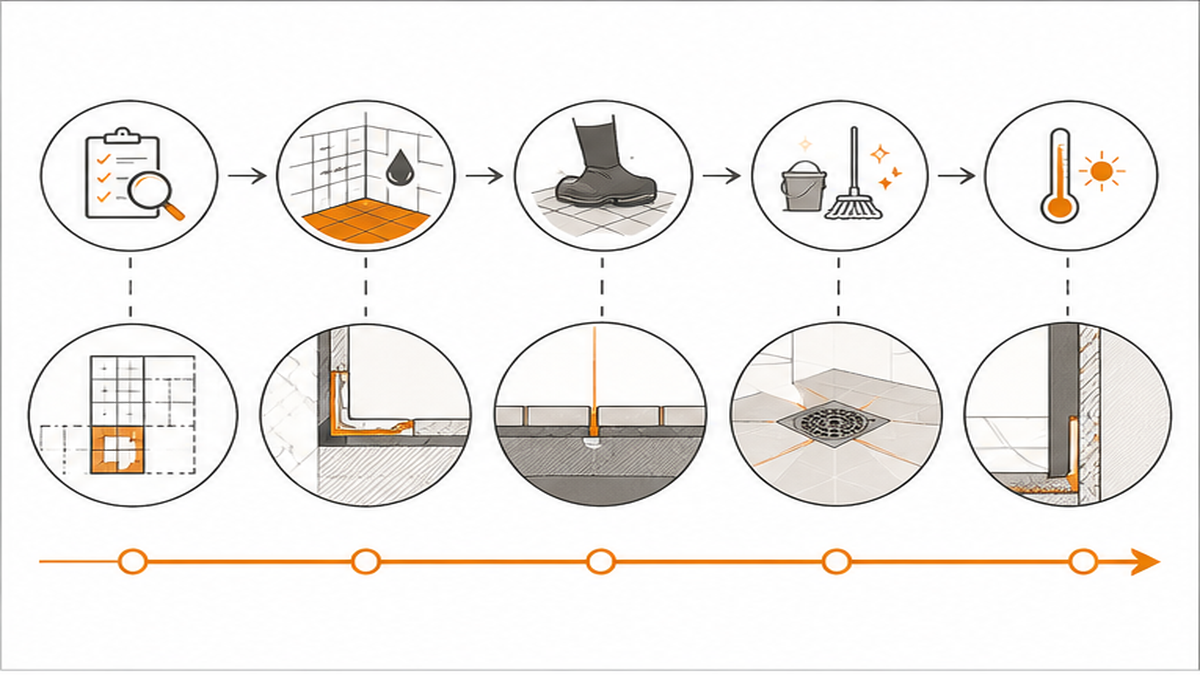
Tile work in a restaurant or catering facility is fundamentally different from a standard home remodel. The floors and walls must withstand boiling water, heavy carts, dropped equipment, and aggressive degreasing chemicals. This requires specific material selection, typically unglazed quarry tile or industrial-grade porcelain, paired with highly chemical-resistant epoxy grout.
Before any Backsplash Tiles For Kitchen or floor materials are installed, the surface prep dictates the lifespan of the floor. We evaluate the concrete slab for moisture vapor transmission and structural cracks. If the floor is uneven, we apply self-leveling underlayment and proper waterproofing membranes to protect the building's structure from daily washdowns.
Drainage is another critical factor. Commercial floors must be precisely pitched so that water flows naturally to floor sinks and drains without pooling. Standing water creates slip hazards and health code violations. We use specialized thin-set mortar designed for high-impact environments, ensuring the tile remains firmly bonded even under extreme thermal shock from hot water spills or commercial dishwashers.
Key Decisions for Your Facility
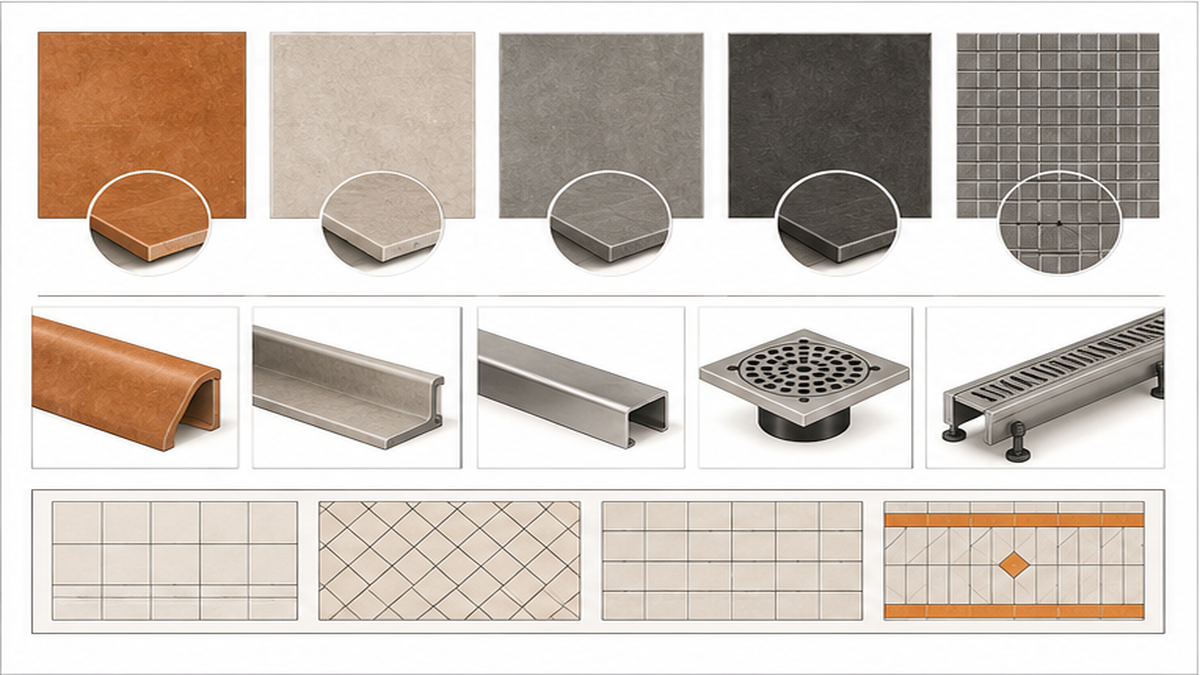
When planning a commercial kitchen build-out or renovation, business owners must balance durability, safety, and budget. The first decision is material selection. Quarry tile remains the industry standard because it is slip-resistant, extremely dense, and hides grease well. Large-format porcelain is an alternative, but it requires a perfectly flat substrate to avoid lippage—uneven tile edges that create tripping hazards.
Grout selection and finish are equally important. Standard cement-based grout absorbs grease and degrades quickly under commercial cleaning protocols. Epoxy grout is non-porous, resists harsh acids, and prevents bacteria buildup, making it the required choice for most health inspectors.
You must also decide on the layout planning for baseboards. Health codes generally require a sanitary cove base—a curved tile piece that transitions smoothly from the floor to the wall, eliminating sharp corners where food particles and dirt accumulate. If you are upgrading an existing space, we will help you evaluate the repair vs replacement criteria to determine if the old Flooring Kitchen Tile can be salvaged or if a full demolition is necessary for long-term reliability.
Common Installation Pitfalls to Avoid
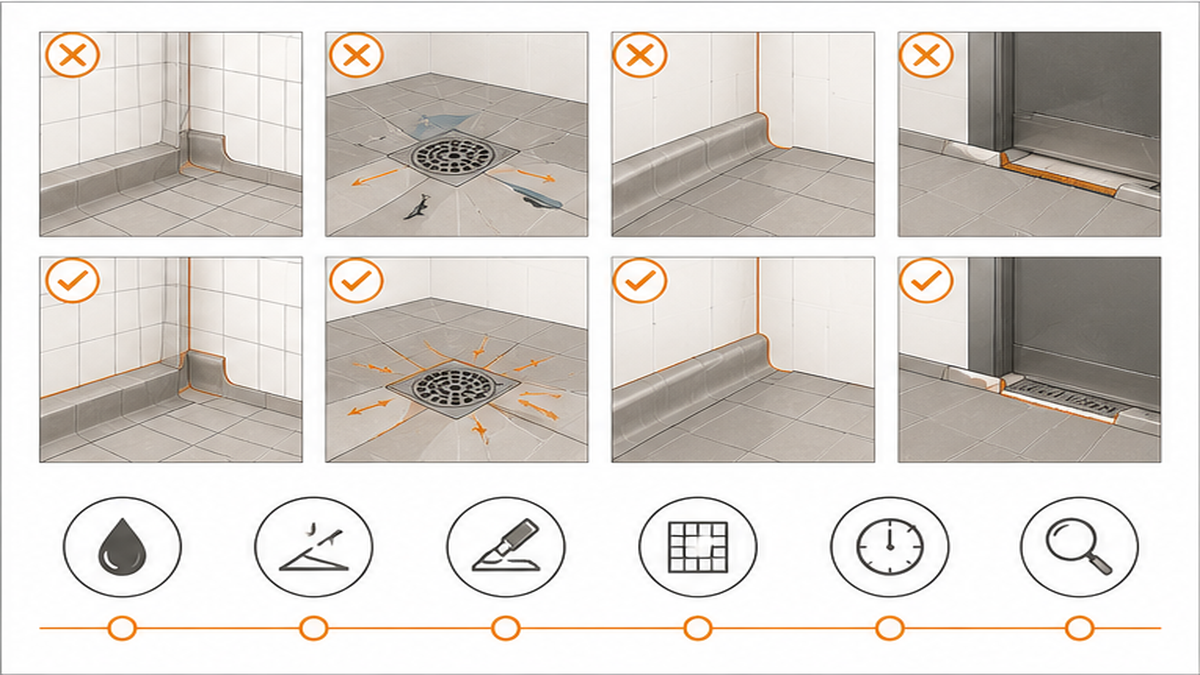
The most expensive mistake in commercial kitchen tile is treating it like a residential project. Contractors who lack commercial experience often skip critical substrate prep, laying tile directly over compromised concrete. Without a proper crack isolation membrane, the new tile will fracture as the building settles or shifts under heavy equipment loads.
Another frequent error is improper slope to the drains. If the thin-set mortar bed is not floated correctly, water will pool in low spots, leading to foul odors, degraded grout joints, and failed health inspections.
Finally, failing to use the correct waterproofing behind wet-area walls and dishwashing stations leads to hidden rot. Water easily penetrates standard drywall and cement board if a surface-applied waterproof membrane is omitted. We ensure all wet zones are fully sealed before setting the tile, protecting the wall cavities from mold and structural damage.
When to Hire a Tile Craftsman
Commercial tile installation is never a DIY project or a job for a general handyman. You need a professional tile contractor when you are building out a new restaurant space, upgrading a catering facility, or responding to health department citations regarding your flooring.
Call us if your current floor has loose or hollow-sounding tiles, missing grout, or areas where water refuses to drain properly. These are signs that the thin-set mortar has failed or the substrate was improperly prepared.
Before you request an estimate, complete a basic preparation checklist: know your square footage, have your equipment layout plan ready, and identify the location of all floor drains. This information allows us to evaluate the scope accurately during our site visit. We will inspect the concrete, check for moisture issues, and provide a clear, written plan for the necessary demolition, prep, and installation.
Related Services and Guides
Plan Your Commercial Tile Project
A reliable commercial kitchen starts with a properly installed floor. If you are opening a new food service business or renovating an existing space in Franklin, TN, or Williamson County, we can help you build a floor that lasts. Request a free estimate today, and Oleksiy will personally visit your site to assess the substrate, review your layout, and outline the exact steps needed to complete your project.
Frequently Asked Questions
How much would a small commercial kitchen cost?
What are the requirements for a commercial kitchen in Florida?
How do I get an estimate?
Why hire a contractor for commercial kitchen?
Maintaining Your Commercial Tile
Proper maintenance extends the life of your commercial kitchen tile and keeps you compliant with health regulations. Daily sweeping and deck-brushing are required to remove abrasive debris and grease buildup. Always use a commercial-grade, enzymatic floor cleaner designed specifically for quarry or porcelain tile. Avoid highly acidic cleaners unless specifically recommended by the grout manufacturer, as harsh acids can etch the tile surface and degrade cement-based grout joints over time.
Ensure your staff squeegees excess water directly into the floor drains rather than letting it sit and evaporate, which leaves behind mineral deposits and grease residue. Inspect your grout joints and cove base transitions quarterly. If you notice the grout wearing down or cracking, schedule a maintenance visit to have the joints repaired before water penetrates the substrate and causes the thin-set mortar to fail.