
Planning Your Bathroom Design in Franklin, TN
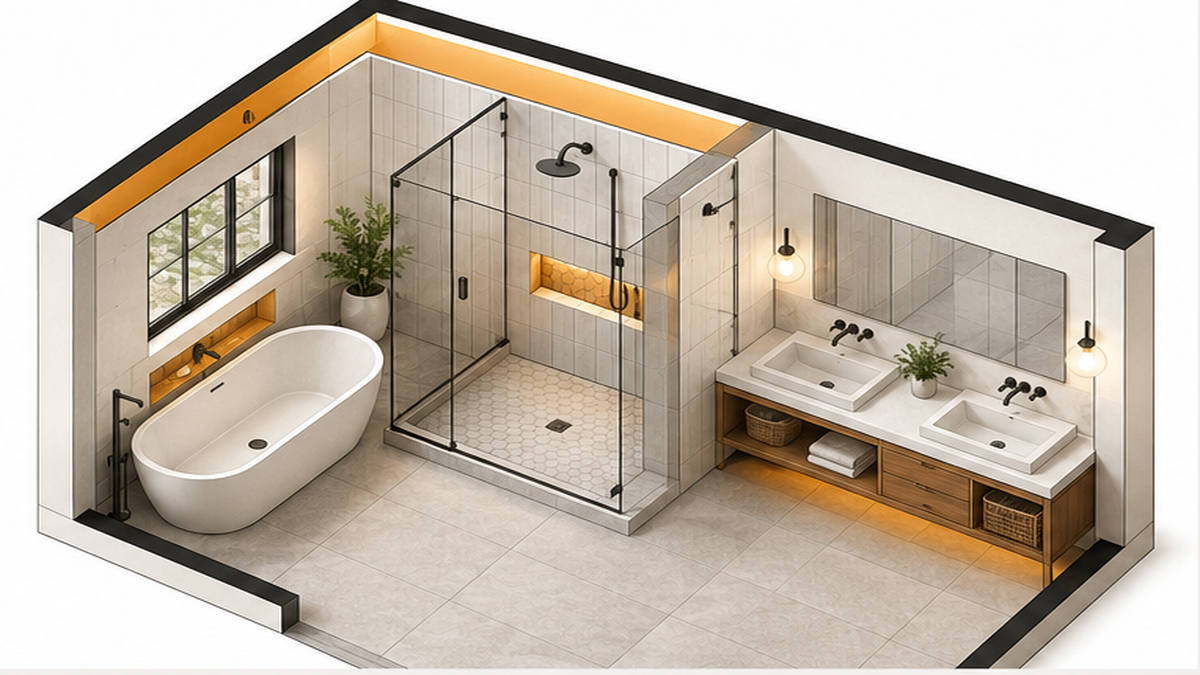
Planning bathroom designs in Franklin, TN, starts with understanding how the space will be used, selecting the right materials, and ensuring proper moisture protection beneath the surface. We handle custom tile installations that prioritize structural integrity just as much as the final appearance. A successful project requires early decisions on layout, tile size, and waterproofing methods. Oleksiy Kolesnyk personally manages every job to ensure the substrate prep and tile alignment meet strict requirements. From exploring a Bathroom Tub To Shower Conversion to planning a complete Bathroom Design overhaul, knowing your options helps you prepare for a clear, accurate estimate.
What Happens Before the Tile is Set
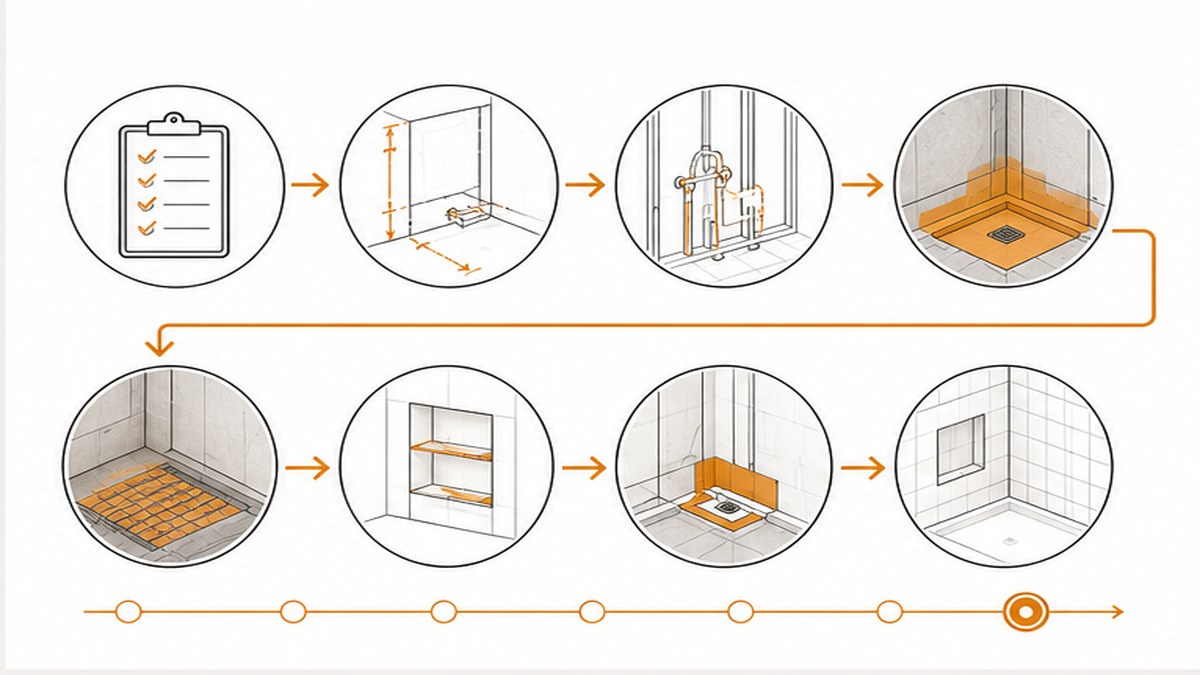
A lasting installation relies heavily on what happens before the first tile is set. Many homeowners focus entirely on selecting the tile color or fixture style, but the real work begins with demolition and surface prep. Once the old materials are removed, we inspect the substrate for any hidden water damage or uneven joists. If the floor flexes, large-format tiles will eventually crack. We address these issues by installing proper cement backer boards and applying a reliable waterproof membrane in all wet areas.
Custom shower pans must be sloped correctly to the drain to prevent standing water. This careful preparation ensures the final finish material aligns correctly and holds up to daily use. Whether you are planning a modern walk-in shower or a classic subway tile surround, the installation process remains grounded in these fundamental steps of a Bathroom Remodel. We walk you through material selection and layout planning so you know exactly how the finished space will function.
Key Choices for Your Remodel
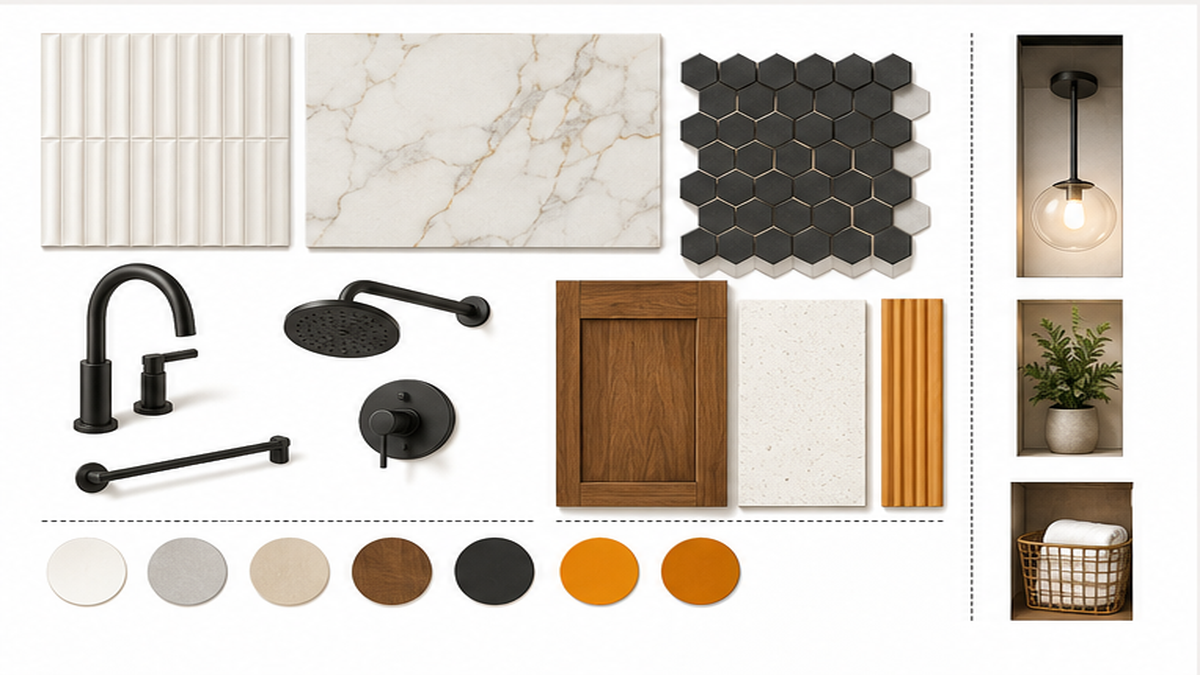
When finalizing your layout, you will face several practical choices that impact both the timeline and the Bathroom Remodeling estimate. First, decide whether you are keeping the existing plumbing layout or moving fixtures. Relocating a toilet or shower drain requires significant subfloor work and coordination with a licensed plumber, which extends the project schedule.
Next, consider your finish material. Large-format tiles require a flatter substrate to avoid lippage, where one tile edge sits higher than the next. Smaller tiles or mosaics are excellent for shower floors because the extra grout lines provide traction, but they require more maintenance over time. You also need to choose between a prefabricated shower base or a custom mud pan. A custom pan allows for unique dimensions and a continuous tile floor, but it demands precise slope construction and waterproofing.
Finally, think about niches and benches. Adding built-in storage or seating requires custom framing and additional moisture protection before the tile goes up. Having these preferences in mind helps us build a detailed estimate preparation checklist for your specific project.
Mistakes to Avoid During Planning
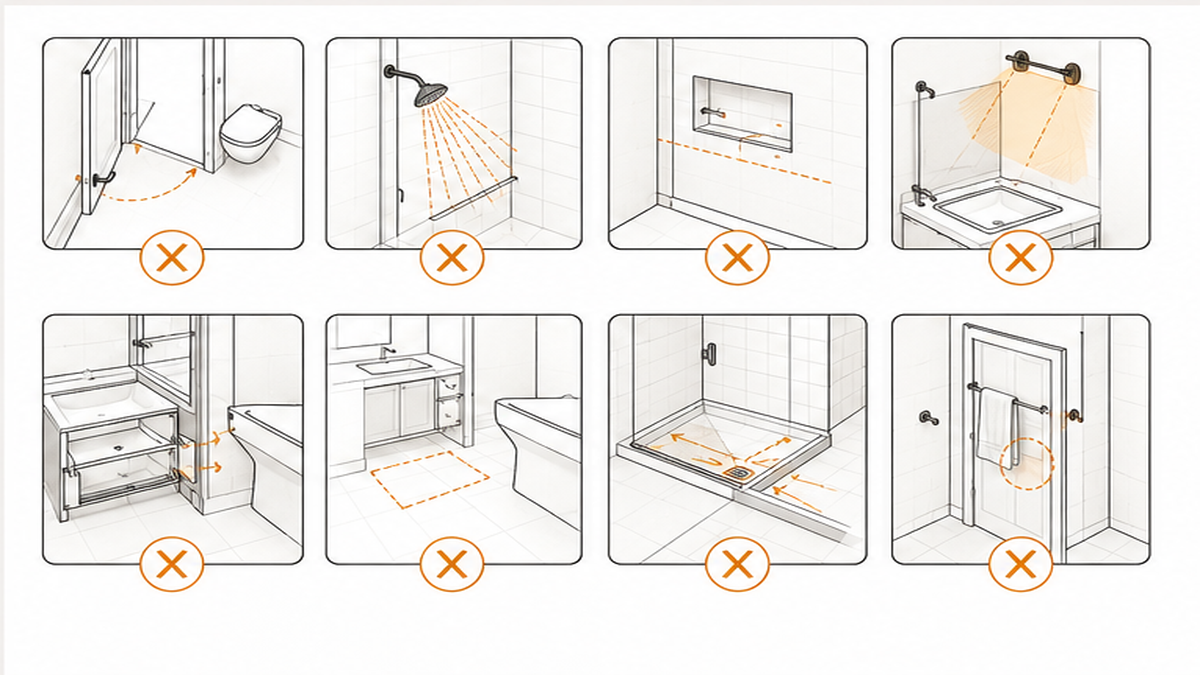
One of the most frequent mistakes in Bathroom And Remodeling projects is choosing materials based solely on appearance without considering the wet-area environment. For example, highly porous natural stone requires strict sealing routines; otherwise, it absorbs water and stains easily. Another major error is ignoring the substrate condition. Installing new tile directly over an uneven or compromised subfloor leads to cracked grout joints and loose tiles within months. We always check for deflection and ensure the surface is rigid enough to support the new materials.
Homeowners also sometimes overlook the importance of proper waterproofing behind the walls. Relying on water-resistant drywall instead of a dedicated waterproof membrane in a shower is a recipe for hidden rot. Finally, rushing the layout planning often results in awkward tile cuts around windows, niches, or corners. We take the time to dry-fit and measure the space so the grout lines remain symmetrical and visually balanced throughout the room.
When to Bring in a Tile Craftsman
Some minor cosmetic updates can be handled over a weekend, but a full wet-area overhaul requires professional experience. You should call a tile and stone contractor when your project involves tearing out existing showers, modifying the footprint, or installing heavy materials like large-format porcelain or natural stone. If you notice a squishy shower floor, cracked tiles, or persistent mold that keeps returning, water has likely breached the surface. These are clear signs of underlying structural rot that must be addressed before any new finish material is applied.
Additionally, building a custom shower pan from scratch demands strict adherence to slope requirements and waterproofing standards. A mistake here leads to leaks that can damage the rooms below. Oleksiy brings over 20 years of tile and stone experience to every job, ensuring that the demolition, substrate prep, and final installation are handled correctly. When you are ready to move from gathering ideas to planning the actual construction, scheduling an on-site consultation is the right next step.
Related Services and Guides
Ready to Discuss Your Project?
Common Questions About Bathroom Tile Projects
What waterproofing steps are required for shower tile?
How long does a bathroom tile remodel take?
How do I request a bathroom remodel estimate?
Keeping Your New Tile in Great Condition
Maintaining your new tile and stone requires a straightforward, consistent routine. Always use a pH-neutral cleaner for your daily or weekly wipe-downs. Harsh acidic chemicals or abrasive scrubbing pads will break down the grout and strip the protective sealants from natural stone. For custom showers, squeegee the walls and glass after every use. This simple habit drastically reduces hard water buildup and prevents soap scum from embedding in the grout joints.
If you chose natural stone for your bathroom floor or vanity surround, plan to reapply a penetrating sealer every one to two years, depending on the level of use. Inspect the silicone caulking around the corners, tub transitions, and drain grates annually. If you see peeling or gaps, remove the old caulk and apply a fresh bead to maintain the moisture barrier. Proper ventilation is also critical. Run your exhaust fan during every shower and leave it on for at least twenty minutes afterward to pull excess humidity out of the room. This prevents mildew growth and helps the space dry out completely.