
Bathroom Tub To Shower Conversion
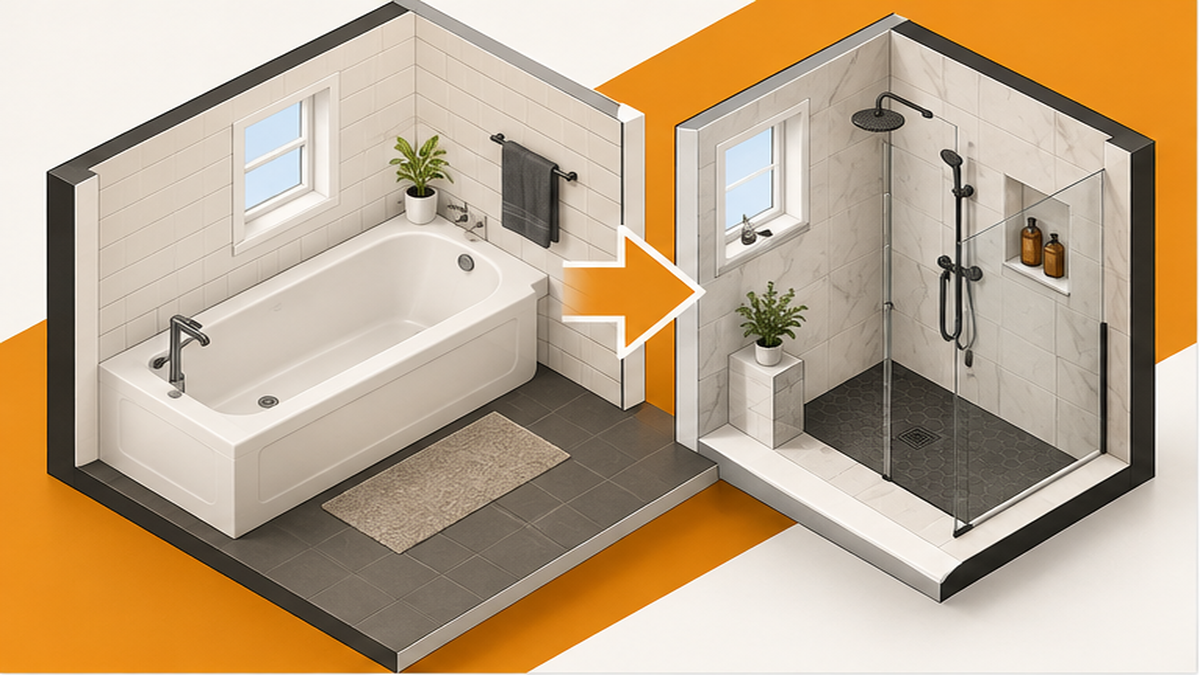
Converting a bathroom tub to a shower in Franklin, TN, involves removing the existing bathtub, inspecting the subfloor, installing proper wet-area waterproofing, and setting a custom tile shower pan and walls. Many homeowners in Williamson County choose this upgrade to improve daily accessibility and update the room's design. As a local tile contractor, we handle the entire process from demolition to the final grout line.
The project requires careful substrate preparation to make sure the new shower drains correctly and remains watertight. By replacing an unused tub with a walk-in shower, you gain a more functional, spacious bathing area built for your daily routine.
How The Conversion Process Works
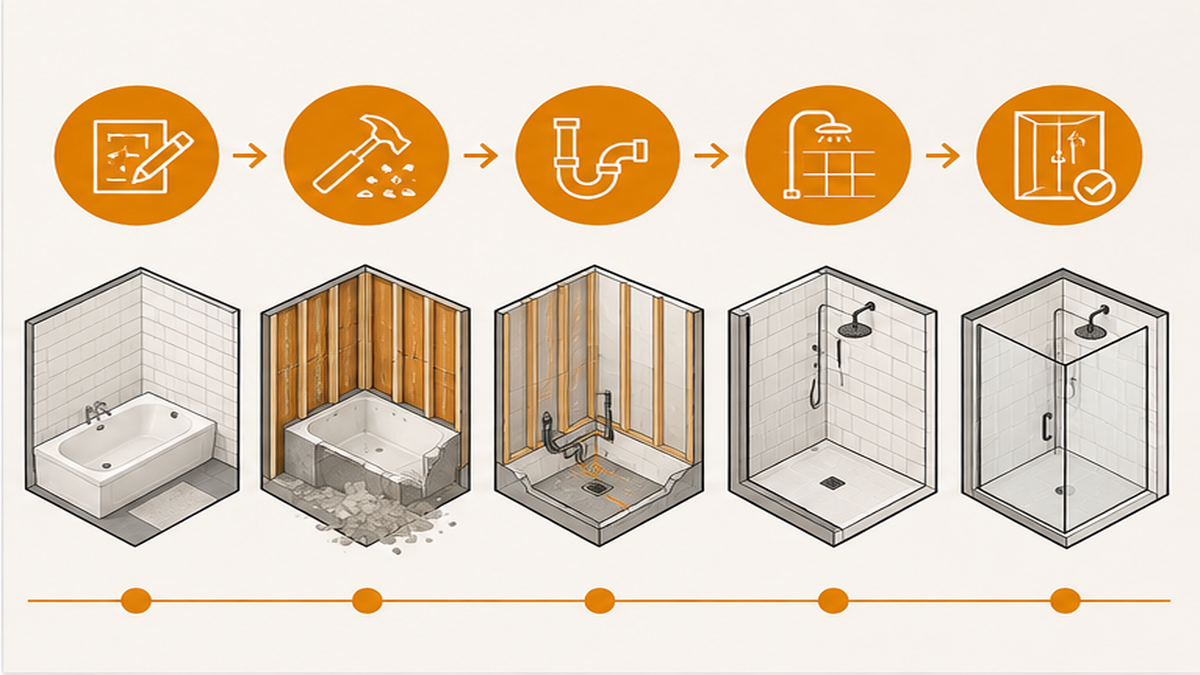
A successful tub-to-shower conversion requires specific construction steps to transition the space safely. When we remove a standard tub, the exposed footprint usually measures about 30 by 60 inches, which provides a solid foundation for a walk-in shower.
- Demolition and inspection: We remove the old tub and wall surrounds, then inspect the underlying studs and subfloor for moisture damage.
- Plumbing adjustments: The drain often needs converting from a 1.5-inch tub drain to a 2-inch shower drain to handle increased water flow. The shower valve is also raised to a comfortable standing height.
- Substrate and shower pan prep: We build a custom shower pan with the correct slope directing water to the drain. Cement backerboard is installed on the walls.
- Wet-area waterproofing: Proper membrane systems are applied to the pan and walls to protect your home's structure.
- Tile installation: We set your chosen tile with level rows, symmetrical layouts, and proper movement joints.
If you are exploring different bathroom remodeling layouts, understanding these foundational steps helps you plan the timeline. We focus on precise alignment and thorough cleanup at the end of each day.
Key Choices For Your New Shower
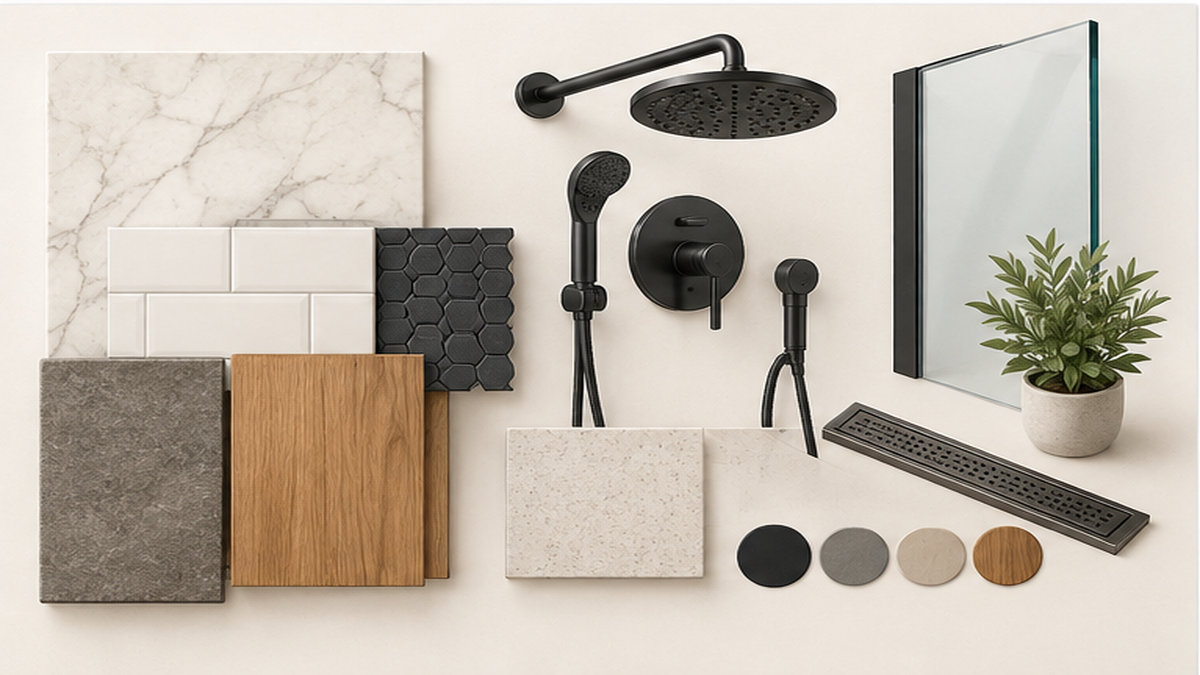
Before starting your remodel, you will need to make several practical choices about the new shower's layout and materials.
| Decision Area | Practical Considerations |
|---|---|
| Curb vs. Curbless | A standard curbed pan is straightforward to build, while a curbless (zero-entry) shower requires modifying the floor joists to recess the pan. |
| Tile Selection | Porcelain is highly durable and absorbs very little water, making it ideal for wet areas. Natural stone requires regular sealing. |
| Storage Niches | Built-in wall niches keep shampoo bottles off the floor. We frame these between the studs before waterproofing. |
| Glass Enclosures | Frameless heavy glass requires reinforced wall framing to support the hinges securely. |
Your material choices directly impact the installation methods we use. For example, large-format tiles on the shower walls require a flat substrate to prevent uneven edges, known as lippage. We check the wall framing and apply leveling coats if necessary. If you are comparing acrylic shower installers versus custom tile, keep in mind that custom tile offers complete design flexibility and a durable, heavy-duty finish.
Mistakes To Avoid During A Conversion
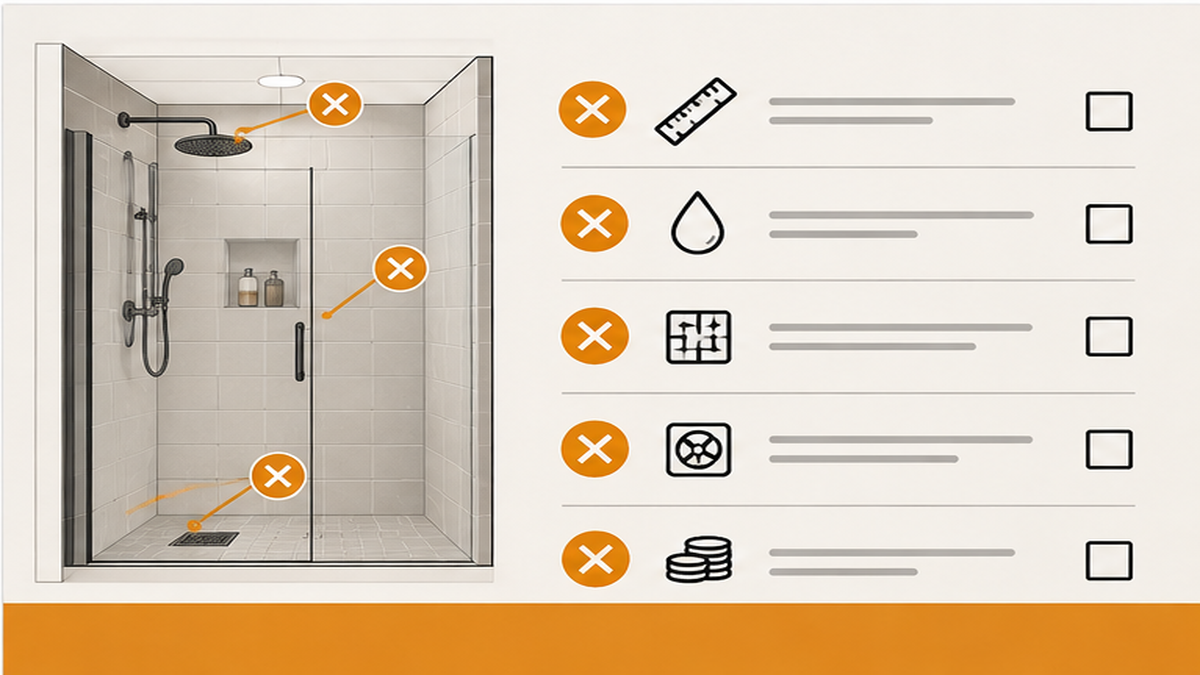
Homeowners frequently encounter issues when critical preparation steps are rushed or skipped during a bathroom remodel. One common error is leaving the original 1.5-inch tub drain in place. Showers require a 2-inch drain to prevent water from pooling on the floor.
Another major issue is relying on water-resistant drywall instead of a dedicated cement backerboard and surface waterproofing membrane. Tile and grout are not inherently waterproof; the membrane underneath is what actually protects your home from rot.
We also see problems when the shower pan slope is incorrect. A proper custom pan must slope precisely toward the drain so water does not sit and cause mold. Finally, failing to plan the tile layout before mixing thin-set mortar leads to awkward sliver cuts in the corners. We map out the entire grid beforehand to ensure symmetrical, visually balanced walls. Taking the time to execute these foundational steps correctly prevents costly rework down the road.
When To Hire A Tile Contractor
Removing a bathtub and building a watertight shower involves structural, plumbing, and specialized tile skills. You should call a professional contractor if you notice soft spots or water damage in the subfloor after the old tub is removed. Rotted floor joists must be replaced to support the weight of a custom mud bed and tile.
It is also time to hire an expert if you want a curbless shower design, which requires altering the floor structure to recess the pan. Proper wet-area waterproofing is another critical phase where professional experience matters. If the membrane is not detailed correctly at the corners, drain flange, and curb, the shower will leak.
As a local Franklin tile contractor, Oleksiy Kolesnyk personally handles these complex steps. We provide a clear estimate preparation checklist so you know exactly what the project entails. If you are researching tub to shower conversion companies in Williamson County, look for a craftsman who explicitly details their waterproofing methods and pan preparation process in writing before the job begins.
Related Services And Guides
Plan Your Shower Conversion
Common Questions About Tub To Shower Conversions
How much would it cost to convert a tub to a shower?
Is it a good idea to remove a bathtub and install a shower?
How long does a bathroom tile remodel take?
How do I request a bathroom remodel estimate?
Caring For Your Custom Tile Shower
Keeping your new custom tile shower in great condition requires simple, consistent care. Use a squeegee on the tile walls and glass doors after every use to prevent hard water spots and soap scum buildup. For weekly cleaning, use a pH-neutral tile and grout cleaner rather than harsh acidic chemicals or abrasive scrubbing pads, which can degrade the grout and damage the tile glaze.
Ensure your bathroom has proper ventilation to manage humidity. Run the exhaust fan during your shower and leave it on for at least twenty minutes afterward to help the wet area dry completely. If you have natural stone tile, you will need to apply a penetrating sealer periodically to protect the surface from absorbing moisture and stains.
Porcelain and ceramic tiles do not require sealing, though cement-based grout lines benefit from a sealer application to maintain their color and resist dirt. Regular, gentle cleaning protects your investment and keeps the craftsmanship looking sharp for years. For more details on project planning, review our shower and bath conversions guide to understand how material choices impact long-term maintenance.