
Understanding Your Bathroom Remodel Investment
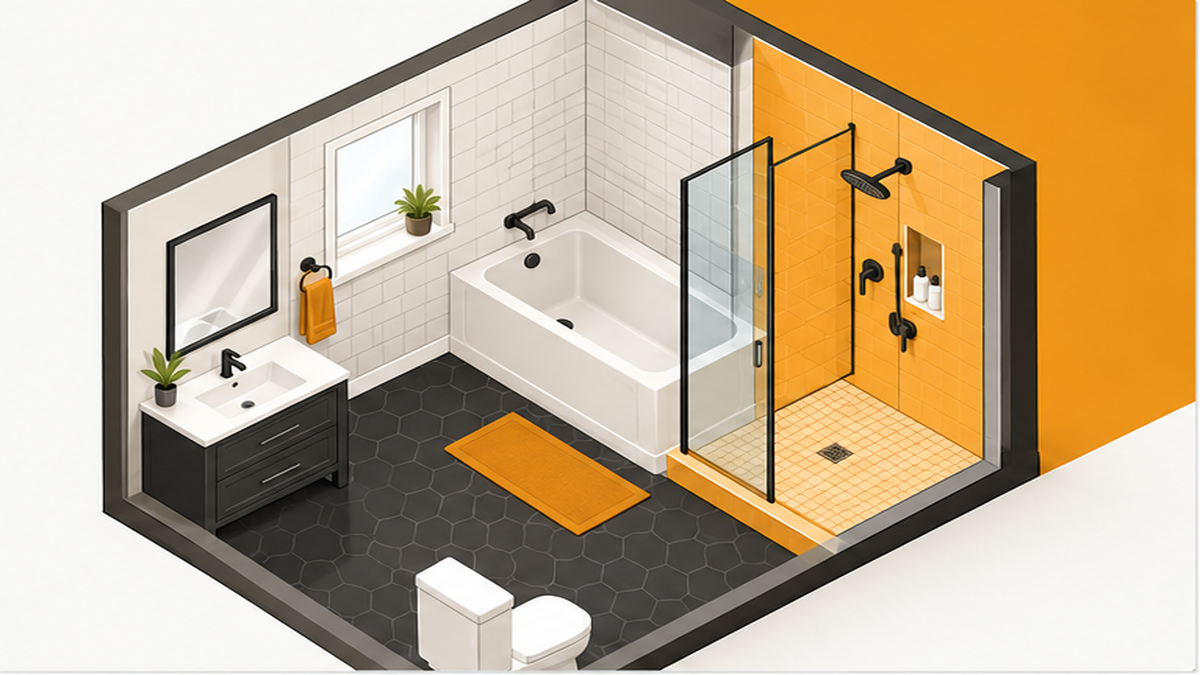
A leaking shower or an outdated, unused bathtub often prompts homeowners in Franklin, TN, to explore a full remodel. If you are wondering about tub to shower conversion prices, the final number depends heavily on plumbing changes, substrate repairs, and your material choices. Because hidden water damage and drain relocation significantly impact the total, a firm quote requires an on-site inspection rather than a generic online calculator. We build custom tile showers with proper waterproofing, and we provide a detailed written plan before any work begins.
Why Every Bathroom Project is Different
Two bathrooms with the exact same square footage can result in vastly different project totals. The primary reason is what lies beneath the surface. When we tear out an old fiberglass tub, we frequently find water-damaged studs or an uneven subfloor that requires leveling before any new backer board goes up.
Converting a tub footprint into a walk-in shower usually means moving the drain to the center, which involves modifying the concrete slab or floor joists. You may also want to raise the shower valve to a comfortable standing height. Mid-project changes requested after work starts will also increase the final total. This is exactly why Oleksiy personally inspects your bathroom to finalize the scope.
Key Variables That Shape Your Quote
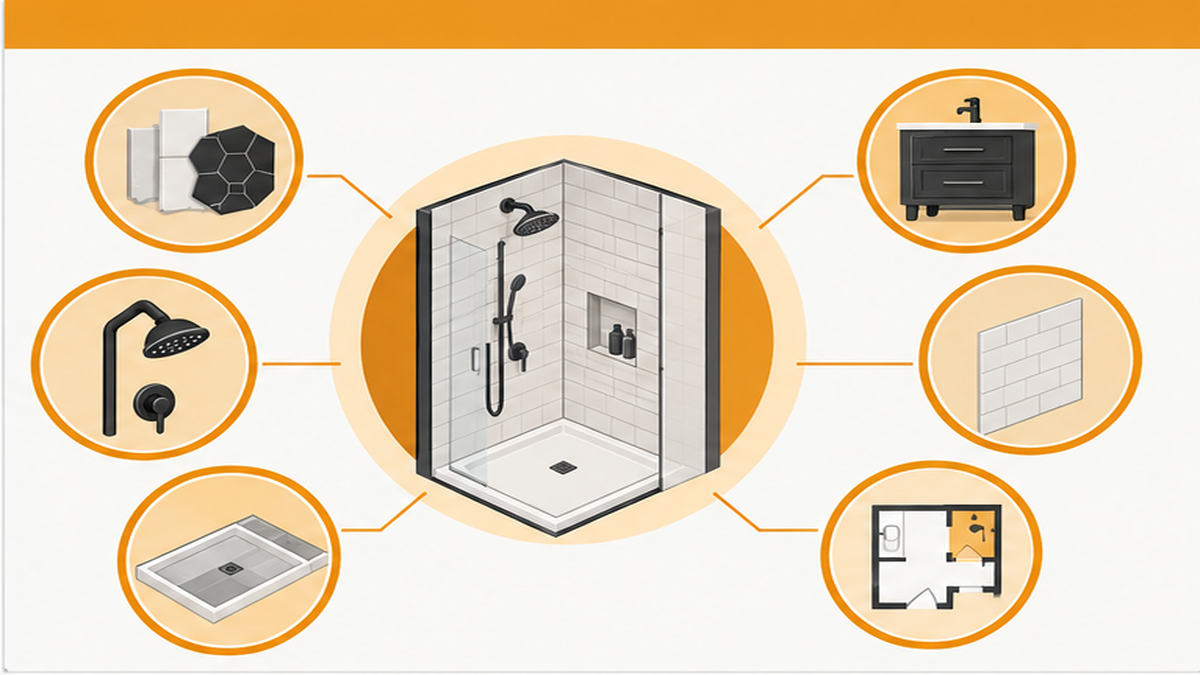
Several specific variables determine the final total for your bathroom remodel.
- Material choice: Standard porcelain or ceramic tile is straightforward to cut and install. Natural stone requires sealing, careful handling, and specific setting materials, which increases both material and labor expenses.
- Layout and pattern complexity: A straight grid pattern is the baseline. Upgrading to herringbone, chevron, or adding decorative borders requires significantly more cutting and alignment time.
- Waterproofing system: A TCNA-standard shower pan and bonded membrane system is non-negotiable for a lasting installation. Proper wet-area preparation takes time but prevents catastrophic leaks.
- Demo and disposal: Removing a heavy cast-iron tub and hauling away decades of old tile adds labor hours and disposal fees.
- Accessibility features: Upgrading to a curbless, zero-threshold entry is a major premium. It requires recessing the subfloor, continuous waterproofing across the bathroom, and often a linear drain.
What to Expect in a Professional Scope
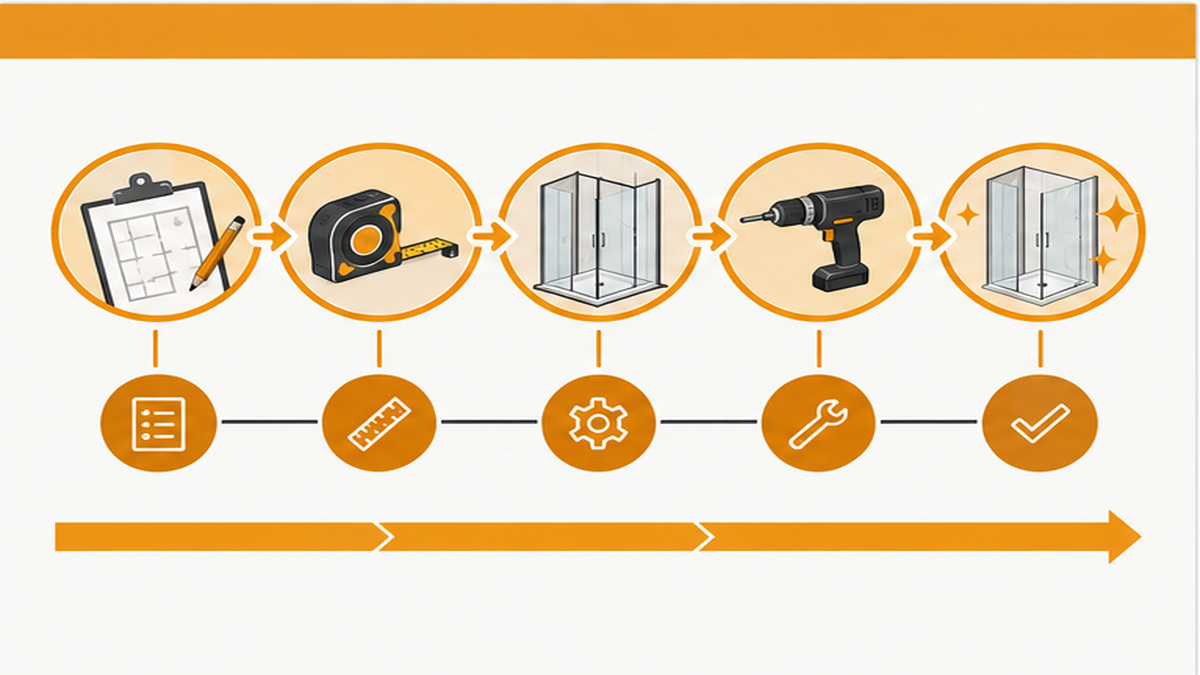
A professional installation covers much more than just sticking tile to a wall. We break projects down into clear scope tiers so you know exactly what is happening.
- Targeted repair or refresh: Keeps existing plumbing locations, replacing the tub with a standard shower pan and new wall tile. Includes basic demolition and standard waterproofing.
- Standard replacement or installation: Covers a full tear-out to the studs, relocating the drain, raising the valve, and installing a custom mud pan with a fully waterproofed membrane system.
- Expanded reconfiguration: Involves moving walls, installing a curbless entry, or building custom benches.
Regardless of the tier, a proper job always includes surface protection, thorough daily cleanup, and precise alignment.
Conditions That Expand the Project Scope
Beyond your choice of tile, hidden conditions are the most common cause of increased labor. Once the old tub is removed, we must inspect the framing. If a slow leak has rotted the studs, that structural damage must be repaired before we can install the new shower pan.
Design choices also drive the total higher. Large-format tiles require a perfectly flat substrate, meaning extra wall prep and specialized leveling clips. Conversely, small mosaic tiles mean hundreds of extra grout lines to align. Adding custom features like a built-in bench or multiple recessed niches requires additional framing and waterproofing. Finally, using premium metal trim profiles to finish raw edges adds to the installation time.
Practical Ways to Keep Your Budget in Check
You have direct control over several levers that keep your project budget-friendly. The most effective strategy is keeping the existing plumbing footprint exactly where it is. If you utilize a layout that does not require moving the drain or main supply lines, you eliminate a significant amount of labor.
Your material selection is the next biggest factor. Choosing a high-quality porcelain tile instead of natural marble reduces both the purchase price and the labor required to cut and seal the stone. Sticking to a simple straight-lay pattern rather than a complex herringbone design also reduces installation hours. Finally, finalizing your entire design before demolition begins is crucial to avoid tearing out completed work.
The Hidden Dangers of a Cheap Bid
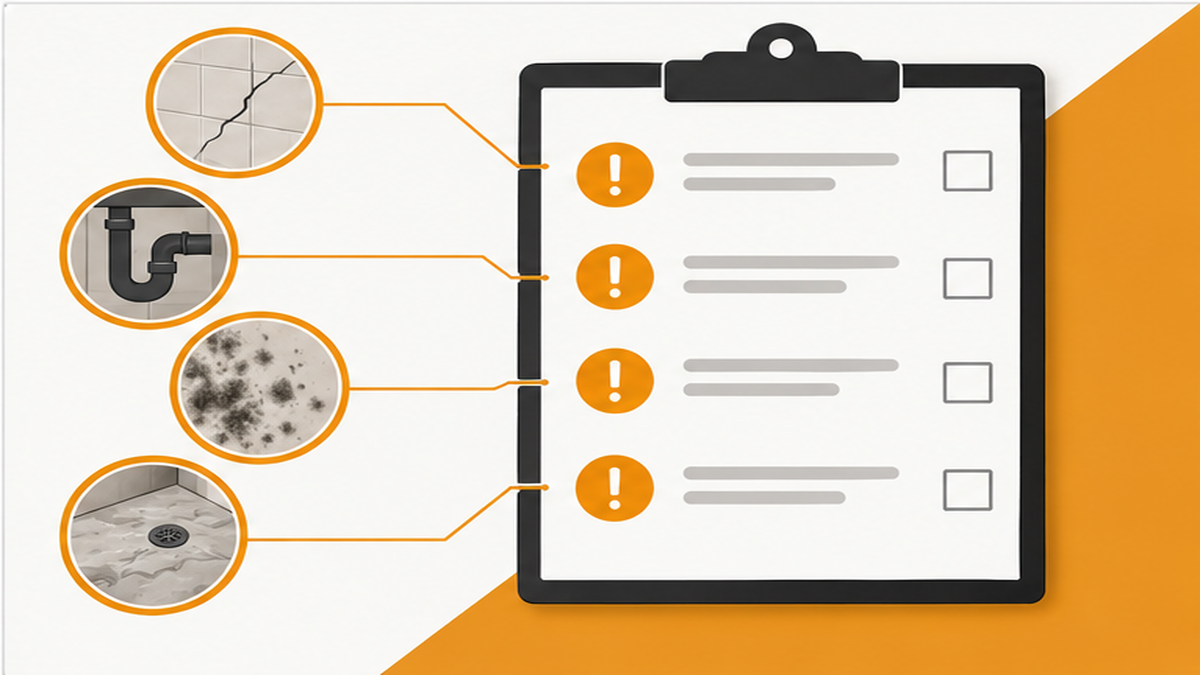
It is tempting to hunt for the lowest number, but cheap bids usually omit critical steps that keep your bathroom safe from water damage. The most common corner cut by budget contractors is the waterproofing system. They may use standard drywall instead of proper cement backer board, or skip the topical waterproofing membrane entirely. This guarantees moisture will eventually penetrate the walls, leading to structural rot.
Another risk is poor substrate preparation. If the floor is not perfectly leveled before tiling, the result is uneven tile edges that look sloppy. We prefer to do the job right the first time, focusing on precision and proper moisture protection. If you are researching tub to shower conversion companies, always ask how they build their shower pans.
How to Prepare for Your On-Site Consultation
Because online calculators cannot see the condition of your plumbing or the squareness of your walls, a professional on-site inspection is mandatory for a firm quote. Here is a practical estimate preparation checklist to help you get ready.
First, check your current space for signs of water damage, such as spongy floors. Next, gather your design ideas. Have rough dimensions of the bathroom ready, along with photos of the current tub. When Oleksiy arrives for the consultation, we will assess the wet-area, check the subfloor deflection, and discuss your material preferences. This allows us to draft a detailed written plan. If you need shower renovations near me in Franklin, gathering these details ensures our conversation is accurate.
Common Questions About Shower Conversions
How much does it cost to remove a bathtub and make a walk-in shower?
Will Medicare pay for a tub to shower conversion?
How long does a bathroom tile remodel take?
How do I request a bathroom remodel estimate?
Ready to Upgrade Your Bathroom?
Understanding Payment Milestones
While we do not offer direct in-house financing, we believe in complete transparency regarding payment schedules. A custom tile project is a significant investment, and the payment structure should reflect the progress of the work.
Typically, a project is broken down into clear milestones. An initial deposit secures your spot on our schedule and covers upfront materials. The next milestone usually aligns with the completion of demolition and the successful installation of the shower pan. The final payment is only due after the tile is set, grouted, and you have completed a final walkthrough with Oleksiy. If you want to learn more about this service alternative, keep in mind that custom tile adds long-term value.
How Timelines Impact the Final Total
The time it takes to complete your remodel directly influences the total labor required. Working in an occupied home means we take extra precautions to protect your living space. We set up dust barriers, lay down floor protection, and ensure the work area is cleaned thoroughly every day.
Additionally, proper tile installation cannot be rushed. Waterproofing membranes require specific curing times before they can be flood-tested. Thin-set mortar must dry completely before grout can be applied. Attempting to compress this schedule compromises the integrity of the installation. A standard bath tub to shower conversion usually takes about a week to ten days of active work, depending on the complexity of the tile pattern.