
Installing A Soaking Tub
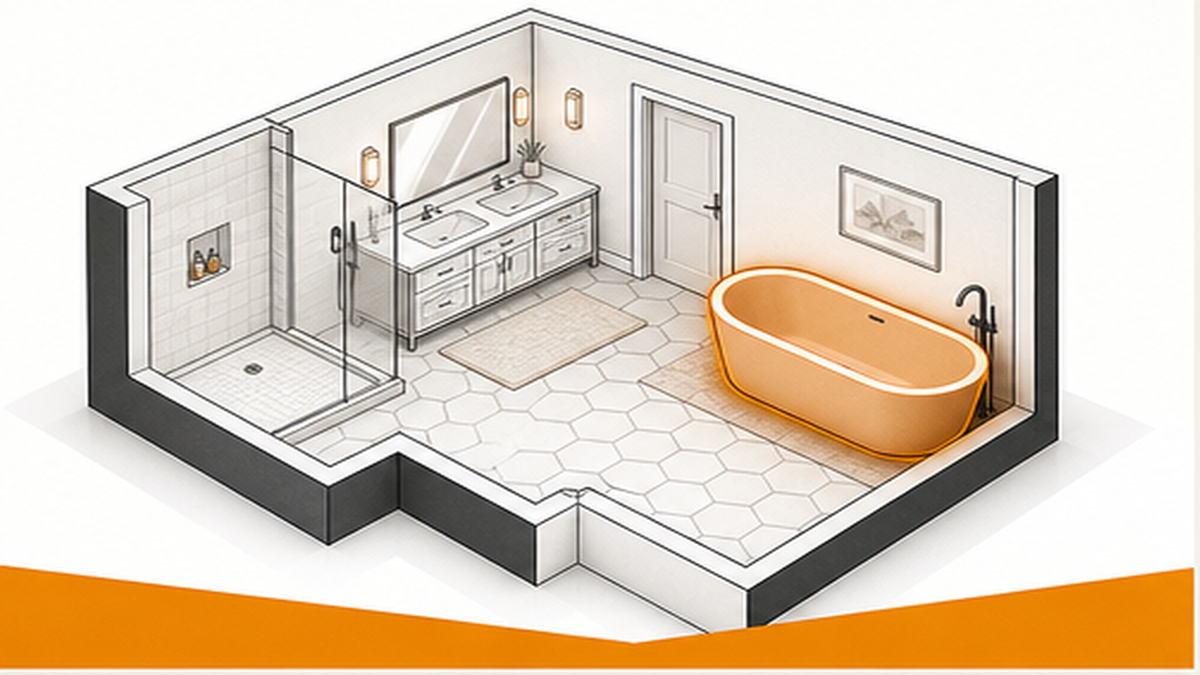
Installing a soaking tub requires assessing your bathroom's floor structure, verifying the plumbing layout, and preparing a waterproof substrate before the new fixture is set. For homeowners in Franklin, TN, a successful tub addition starts with a professional inspection to ensure the floor joists can handle the extra weight of a water-filled tub. We handle custom bathroom remodels and wet-area waterproofing to ensure your new tub is fully supported and secure. A proper installation involves careful demolition, subfloor checks, and precise plumbing alignment before any finish materials go down.
Practical Guidance for Your Tub Installation
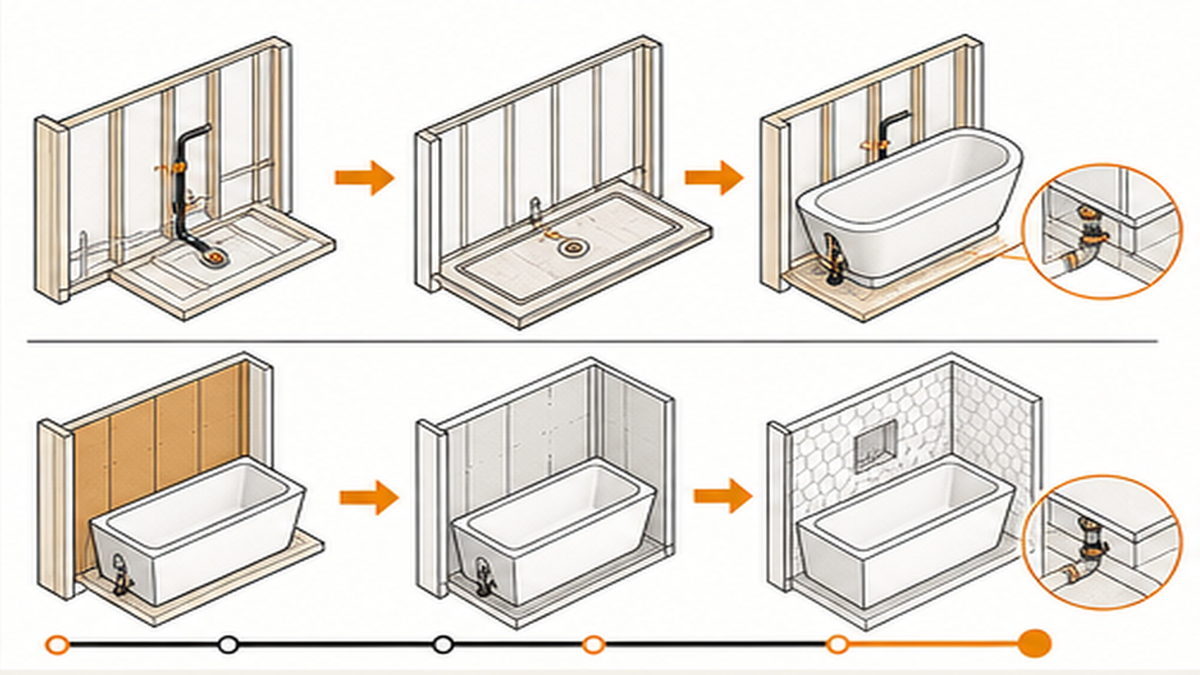
When planning for a new tub, the preparation beneath the surface matters just as much as the fixture itself. A heavy cast iron or stone resin soaking tub filled with water places significant stress on older wood subfloors. Oleksiy personally handles every project, starting with a thorough check of your existing framing to prevent future sagging or cracked tile.
Here is what a proper installation process looks like:
- Substrate prep: We inspect the floor joists for deflection and reinforce the subfloor if necessary.
- Plumbing alignment: Freestanding tubs often require moving the drain and supply lines to accommodate the new center or offset layout. Moving a drain even a few inches requires careful subfloor trenching and coordination.
- Wet-area waterproofing: We apply TCNA-standard moisture protection to the adjacent floor and walls to prevent hidden leaks.
- Material selection: We help you coordinate the tub style with durable floor tile that complements the space.
This careful approach ensures your new soaking tub is stable, level, and completely waterproofed for years of daily use.
Key Decisions Before You Buy a Tub
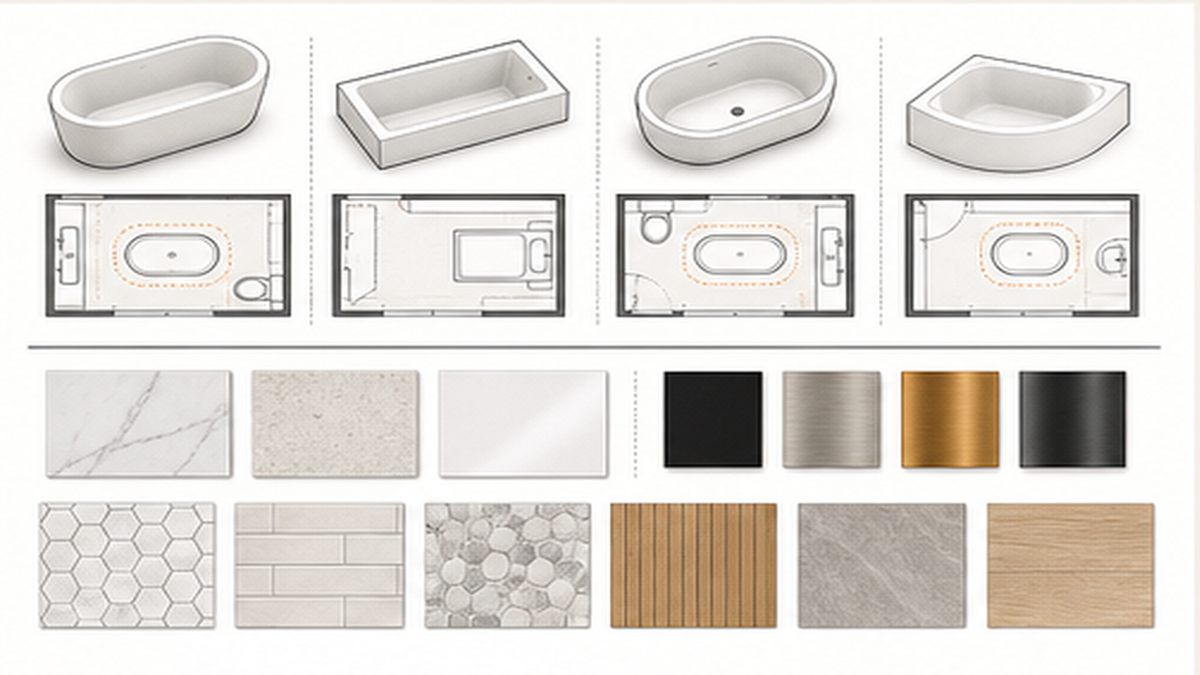
Choosing the right tub and layout dictates the entire scope of your bathroom remodel. First, consider the footprint. If you are replacing a standard alcove tub with a freestanding model, you will likely need to patch or replace the adjacent floor tile. This is a great time to consider a complete Bath Tub To Shower Conversion if a soaking tub no longer fits your daily routine.
Next, evaluate the material weight and style. Acrylic tubs are lightweight and easier to maneuver, making them a popular choice for second-story bathrooms. If you are comparing options, you might also look into Acrylic Shower Installers for matching fixtures. Conversely, cast iron or stone resin tubs retain heat beautifully but often require structural reinforcement.
Finally, think about the plumbing fixtures and water capacity. Floor-mounted tub fillers look elegant but require extensive subfloor trenching, whereas wall-mounted faucets can utilize existing plumbing walls, saving time and reducing the overall estimate. Additionally, a massive soaking tub requires a significant amount of hot water, so upgrading your water heater might be a necessary part of the project scope.
Common Mistakes to Avoid
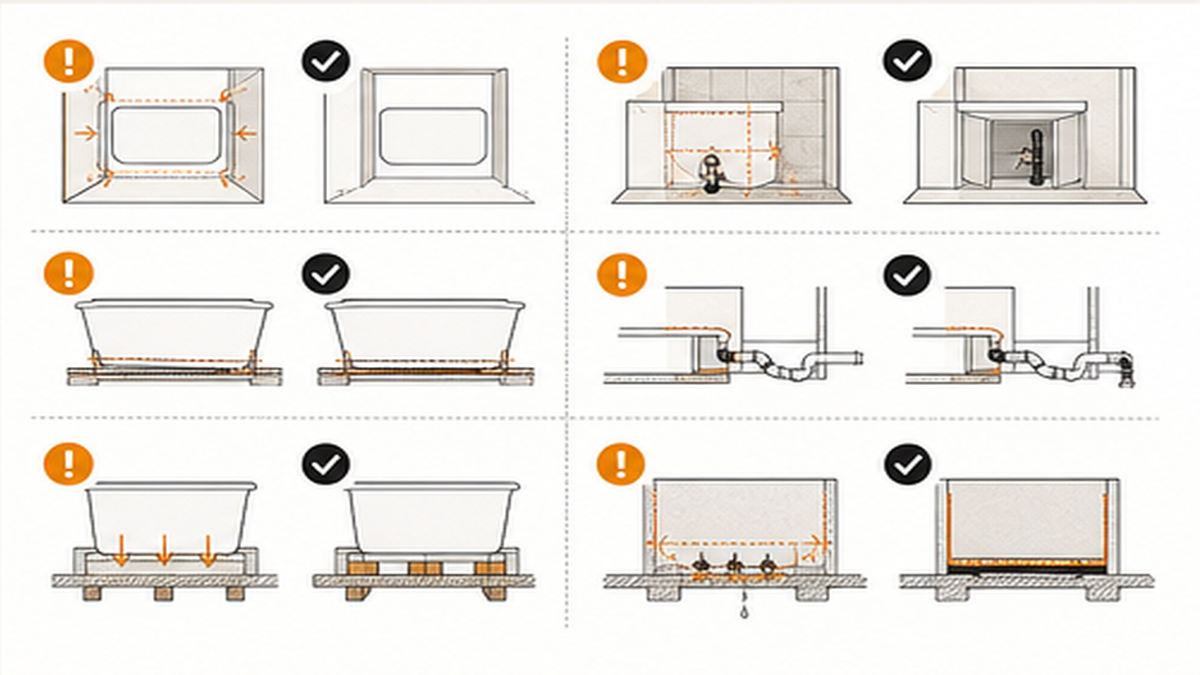
One of the most frequent mistakes homeowners make is purchasing a soaking tub before verifying the bathroom's dimensions and plumbing access. A tub that looks perfectly sized in a showroom can easily overwhelm a standard residential bathroom. Freestanding tubs need at least a few inches of clearance from the wall for cleaning. Jamming a large tub into a tight alcove makes it impossible to reach dust and moisture that inevitably collect behind it.
Another critical error is ignoring the subfloor condition. Installing a heavy tub over water-damaged or flexing plywood guarantees future problems, including cracked grout lines in your new Porcelain Floor Tile Installation. If the floor bounces when you walk on it, address the structure before the tub arrives.
Finally, skipping proper wet-area waterproofing around the base of a freestanding tub can lead to moisture seeping into the subfloor from everyday splashes. We always recommend a complete moisture protection system to keep the underlying structure completely dry and secure.
When to Call a Tile and Stone Contractor
Moving plumbing, reinforcing floor joists, and applying waterproof membranes are not weekend DIY projects. You should call a professional contractor when your project requires altering the drain location or if you notice any soft spots in the floor during demolition. If you are unsure whether your current floor can support a 600-pound water-filled tub, a professional on-site consultation is essential.
Additionally, if you are deciding between keeping a tub or removing it entirely, consulting with the Best Tub To Shower Conversion experts can clarify your options. We provide a detailed written estimate after inspecting the site, so you understand the exact scope of work. Because every home is different, there is no fixed online price for this work. For more context on what drives these costs, you can review our Shower & Bath Conversions pricing factors.
Oleksiy will walk you through the necessary substrate prep, material selection, and layout planning before any work begins, ensuring your Franklin home is treated with respect and precision.
Related Resources
Ready to Discuss Your Bathroom Project?
Common Questions About Soaking Tubs
How much does it cost to have a soaking tub installed?
What do you put under a bathtub when installing it?
How long does a bathroom tile remodel take?
How do I request a bathroom remodel estimate?
Maintenance Tips for Your Tub and Tile
Keeping your new soaking tub and nearby tile in pristine condition requires simple, consistent care. We recommend wiping down the tub surface with a soft cloth and a mild, non-abrasive cleaner after heavy use to prevent soap scum buildup. Avoid harsh chemicals or scouring pads, as these can easily dull the finish of acrylic and stone resin tubs.
For the adjacent tile and grout joints, routine cleaning with a pH-neutral tile cleaner will preserve the color and integrity of the grout. Ensure your bathroom is well-ventilated during and after baths to minimize lingering humidity, which helps protect your wet-area waterproofing over the long term. If you notice any caulk separating where the tub meets the floor tile, have it resealed promptly to keep moisture from reaching the substrate.