
Kitchen Renovations On A Budget

Planning kitchen renovations on a budget in Franklin, TN, starts with prioritizing your spend on high-impact areas like a new tile backsplash or updated flooring rather than full structural changes. Keeping your existing cabinet layout and updating the surfaces is the most effective way to refresh the space without triggering massive plumbing or electrical costs. At Craftsman Tile and Stone, Oleksiy Kolesnyk helps homeowners maximize their renovation budget by focusing on careful material selection, proper substrate prep, and precise tile alignment. Our kitchen tile services focus on protecting your walls and floors while completely changing the look of the room, ensuring the work is done right the first time.
Understanding Where Your Renovation Budget Goes

A budget-conscious kitchen update requires a clear understanding of where your money goes. Material selection drives a large share of the cost, but the hidden work—surface prep and layout planning—determines how long the installation lasts. If you are updating a backsplash, the wall must be flat and clean before any thin-set mortar is applied. We check the drywall for damage from old tile removal and patch it properly using appropriate backerboard where needed.
For flooring, the substrate condition dictates the prep work. Installing new tile over an uneven subfloor leads to lippage, where tile edges stick up and create a tripping hazard. We assess the floor's level and apply self-leveling underlayment if necessary. When comparing flooring kitchen tile materials, remember that standard ceramic or porcelain can keep costs manageable, allowing you to invest in professional installation. Proper grout selection and finish also play a huge role in the final appearance. A durable epoxy or urethane grout resists kitchen stains better than traditional cement grout, saving you money on future maintenance.
Key Decisions That Impact Your Tile Estimate
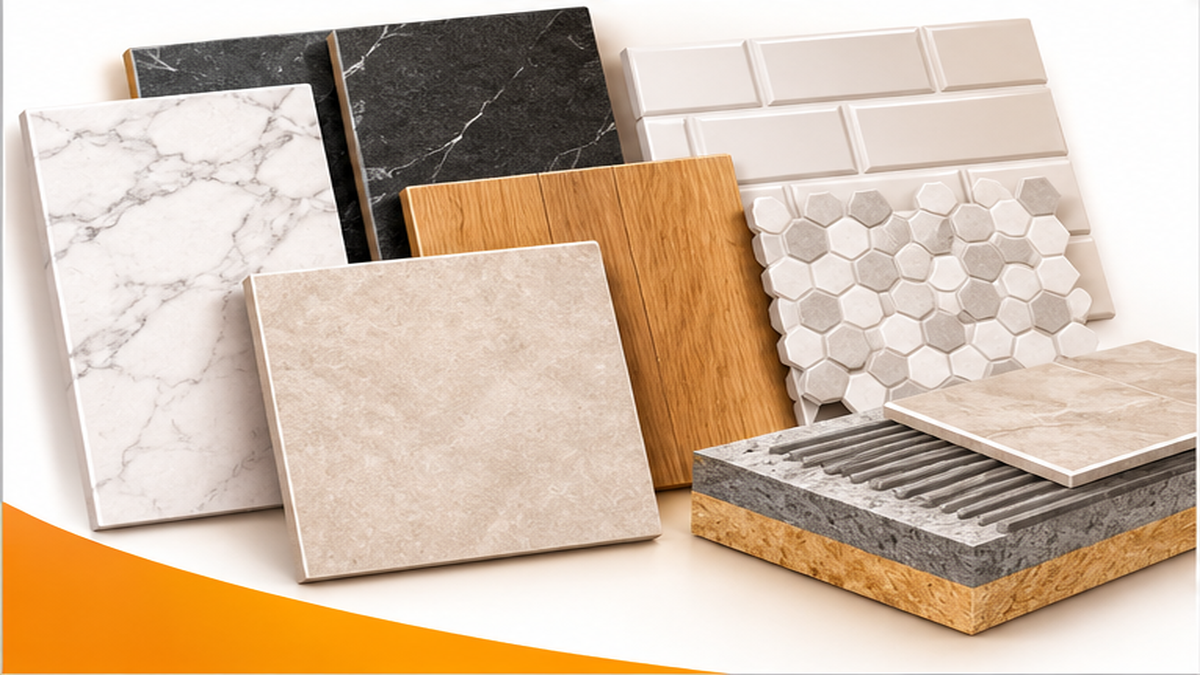
When mapping out your kitchen project, you have several choices that directly impact the final estimate. First, decide whether you are keeping the existing drywall or if the demolition will require new backerboard. Removing old tile often damages the wall, and planning for minor drywall repair upfront prevents delays. Second, consider the complexity of your tile layout. A standard horizontal subway tile pattern installs faster than a herringbone or diagonal layout. Complex patterns require more cuts, more material waste, and additional labor time.
Third, think about the transition areas. If you are installing new floor tile, how will it meet the hardwood in your dining room or the baseboards under your cabinets? We plan these transitions during the initial consultation to ensure a clean, level finish. If you are also considering updates to other areas, reviewing bathroom ideas for remodeling can help you coordinate styles across your home. Finally, factor in the timeline. An occupied home requires careful dust control and daily cleanup. We protect your living areas and communicate the daily schedule so you know exactly when the kitchen will be out of service.
Common Pitfalls in Budget Kitchen Updates

One of the most frequent errors in budget kitchen updates is ignoring the condition of the surface underneath the new tile. Homeowners sometimes try to save money by skipping substrate prep, which leads to cracked grout joints or loose tiles within a few months. Another mistake is purchasing materials before measuring accurately. Always order at least ten percent extra tile to account for cuts and breakage, especially if you choose a complex pattern.
Failing to plan the backsplash and floor tile alignment with existing cabinets is also common. If the tile layout does not account for the space between the countertop and the upper cabinets, you might end up with awkward, narrow slivers of tile at the top or bottom. Relying on fixed online pricing calculators often results in budget surprises. Online tools cannot see your uneven subfloor or the plumbing access needed behind your stove. A site-specific inspection is the only way to get an accurate scope of work. Another frequent oversight is ignoring the grout joint width. Trying to force a tiny grout line on a tile that varies in size will result in crooked lines. We help you select the right spacing for your specific material to ensure a clean, symmetrical result.
When to Hire a Tile Craftsman
Certain phases of a kitchen update require a professional tile contractor to ensure the work meets industry standards and local building codes. If your floor feels bouncy or squishy when you walk on it, you need a professional to assess the subfloor for structural deflection or hidden rot before any tile is laid. Laying rigid tile over a flexing floor guarantees cracked grout and broken tiles. You should also call a professional if your project involves large-format tiles. Tiles larger than fifteen inches on any side require specialized thin-set mortar and a flat substrate to prevent uneven edges.
Additionally, if your backsplash design includes intricate cuts around multiple electrical outlets, window casings, or a custom range hood, an experienced craftsman will ensure those details look intentional and symmetrical. Oleksiy handles these complex layouts personally, bringing over twenty years of tile and stone experience to your Franklin home. We also recommend professional help when dealing with older homes that might have uneven walls or settling foundations. A trained craftsman knows how to float the walls or adjust the thin-set mortar to compensate for these irregularities. Whether we are working in a residential space or handling tile for a commercial kitchen, the standard for durability remains the same.
Related Tile and Remodeling Resources
Ready to Plan Your Kitchen Update?
Common Questions About Budget Kitchen Renovations
What is the 30% rule in remodeling?
How to completely remodel a kitchen for under?
How long does Kitchen Tile Services take?
How do I get an estimate?
Keeping Your New Kitchen Tile Clean
Once your new kitchen tile is installed, simple maintenance keeps it looking fresh and protects your investment. Sweep or vacuum floor tile regularly to remove abrasive dirt that can scratch the surface. For cleaning, use a pH-neutral tile and stone cleaner rather than harsh bleach or acidic chemicals, which can break down your grout joints over time.
If you have a natural stone backsplash, ensure it is properly sealed to prevent cooking oils and food splatters from staining the porous material. Wipe up spills immediately, especially acidic liquids like lemon juice or tomato sauce. We recommend inspecting your grout lines annually; if water stops beading up on the surface, it is time to reapply a penetrating sealer to protect the joints from moisture and discoloration.