
Bathroom Ideas For Remodeling
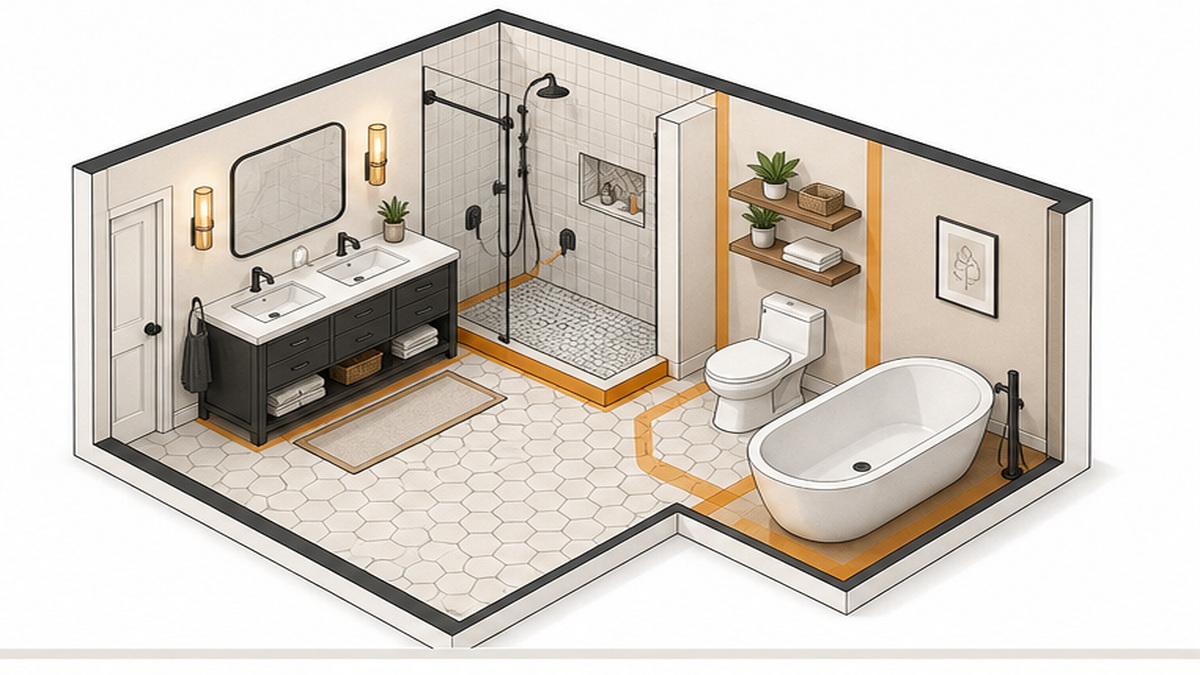
Bathroom ideas for remodeling start with assessing your current layout, choosing durable wet-area materials, and planning for proper waterproofing before any tile goes down. In Franklin, TN, homeowners often focus on custom shower conversions, large-format tile floors, and updated vanity surrounds to refresh their space. A successful remodel requires more than just picking an attractive finish material; it demands careful substrate preparation and a clear understanding of the project scope. Whether you are planning a complete tear-out or a targeted shower update, knowing your options helps you make informed decisions. We will walk through practical design choices, common pitfalls to avoid, and what to expect when hiring a professional tile contractor.
Matching Design Vision With Installation Realities
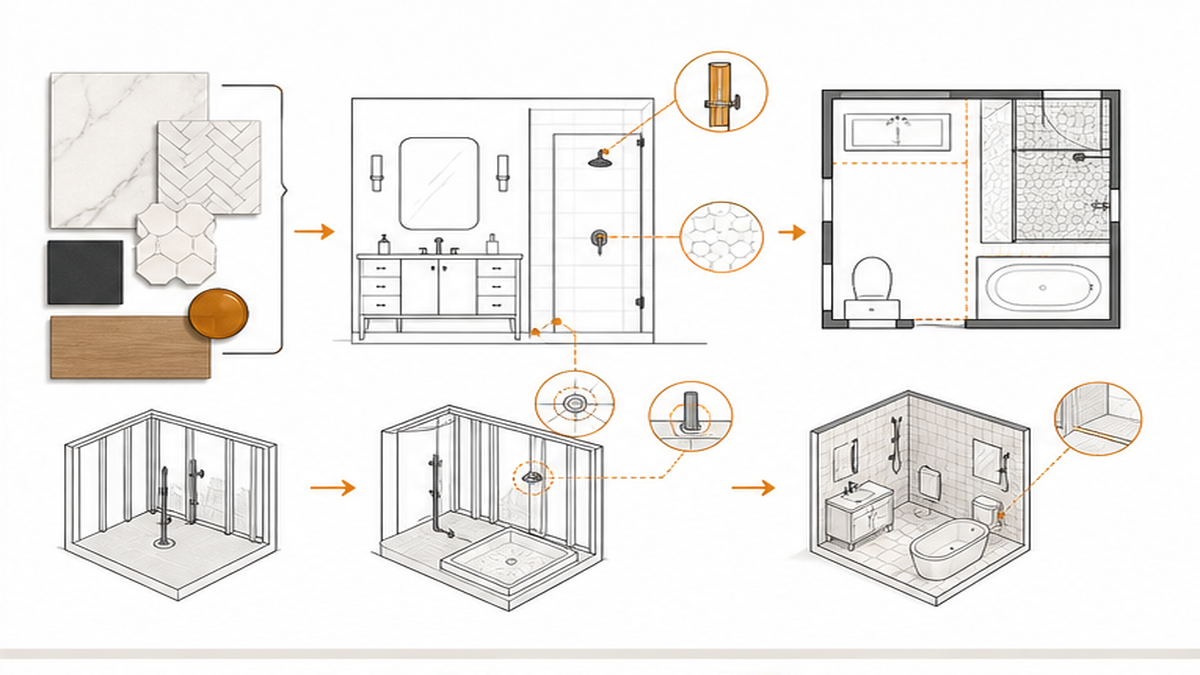
When gathering bathroom ideas for remodeling, the most important step is matching your design vision with the physical realities of your space. A custom tile shower, for example, requires specific substrate board and a waterproof membrane system before the first tile is set. If you want a curbless shower or a built-in bench, the framing and floor slope must be adjusted during the demolition phase. Material selection also plays a massive role in the daily function of your bathroom. Porcelain tile is highly durable and resists moisture, making it a strong choice for shower floors and walls. Natural stone offers a distinct look but often requires regular sealing to prevent water damage and staining. Beyond the tile itself, consider the grout joint width and color. Tighter grout lines require highly level surfaces and precise alignment, which means the wall prep must be exact. By finalizing these details early, you ensure the installation process moves forward without unexpected delays or structural compromises.
Defining Your Remodeling Scope
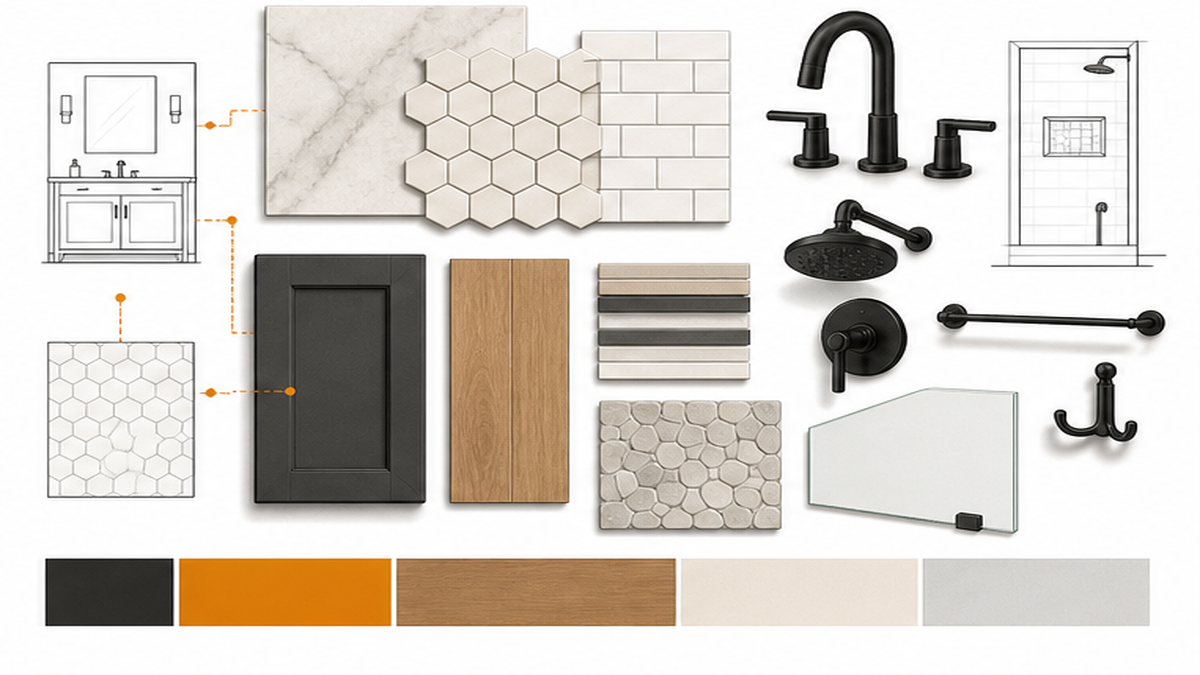
Before requesting an estimate, you need to define the boundaries of your project. Are you keeping the existing plumbing layout, or do you plan to move the shower and vanity? Relocating fixtures adds significant time and coordination to the job. Next, decide on the extent of the demolition. Removing old tile down to the studs allows for a complete inspection of the framing and subfloor, ensuring any hidden rot or moisture damage is addressed. You also need to choose your finish materials early. Large-format tiles look great on bathroom floors, but they require a perfectly flat substrate to avoid lippage—where one tile edge sits higher than the next. If your current floor has a bounce to it, the subfloor will need reinforcement before new tile is installed. Finally, consider your timeline. A full Bathroom Remodel means your space will be out of commission for several days or weeks, depending on the curing times for thin-set mortar and grout. Planning for this downtime is a critical part of the remodeling process.
Common Remodeling Pitfalls to Avoid
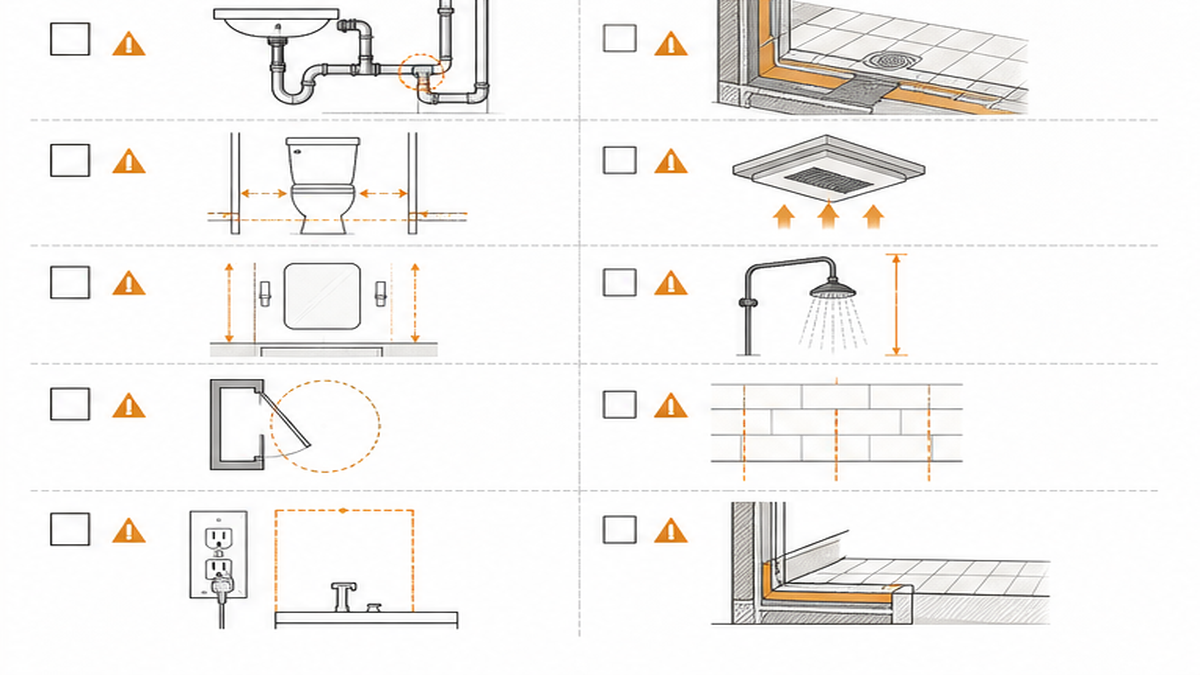
One of the most frequent mistakes homeowners make is buying tile without considering the required surface prep. A heavy natural stone or a very large porcelain tile cannot simply be glued over an uneven wall. If the substrate is not leveled first, the final result will look sloppy and the grout joints will crack. Another major error is ignoring the waterproofing system. Relying on water-resistant drywall instead of a proper cement backer board and membrane in a wet area almost always leads to a leaking shower down the road. Homeowners also tend to overlook the importance of layout planning. Starting a tile pattern without measuring the room often results in awkward, tiny slivers of tile at the corners or ceiling line. Lastly, rushing the curing process compromises the entire installation. Walking on a newly tiled floor before the thin-set mortar has fully hardened will break the bond, causing loose tiles that require a complete tear-out to fix. Taking the time to do the prep work right prevents these costly failures.
When to Hire a Professional Tile Contractor
While painting walls or swapping cabinet hardware are manageable weekend projects, custom tile installation and wet-area waterproofing require professional experience. You should call a contractor when your remodel involves tearing out an existing shower pan or altering the substrate. If you notice a squishy shower floor, cracked tiles, or signs of mold behind the walls, these are clear indicators of underlying water damage that must be professionally repaired before new materials are installed. Large-format tile installation also demands specialized tools and techniques to ensure the surface is perfectly level and symmetrical. A professional tile contractor understands how to build a TCNA-standard shower pan, apply the correct waterproof membrane, and calculate the exact layout to avoid awkward cuts. When you want the assurance that your shower will not leak and your grout lines will stay straight, it is time to bring in an expert who handles the entire process from demolition to the final polish.
Related Resources
Plan Your Custom Bathroom Remodel
If you are gathering Bathroom Design ideas and want to know what it takes to bring your vision to life, the next step is a clear, on-site evaluation. Oleksiy Kolesnyk personally handles every project, bringing over 20 years of tile and stone experience to homes across Franklin and Williamson County. We will review your space, check the substrate, and discuss your material choices to ensure everything is planned correctly. Request a free estimate today to get a detailed breakdown of the preparation, waterproofing, and installation required for your custom bathroom.
Frequently Asked Questions About Bathroom Remodeling
What is a realistic budget for a bathroom remodel?
What does a bathroom remodel look like?
How long does a bathroom tile remodel take?
How do I request a bathroom remodel estimate?
Maintaining Your New Custom Tile
Once your new bathroom is complete, proper maintenance keeps the tile and stone looking pristine. Always use a pH-neutral cleaner for your tile floors and shower walls, as harsh acidic chemicals can break down the grout and damage natural stone finishes. Ensure your bathroom is well-ventilated during and after showers to reduce moisture buildup, which helps prevent mildew from forming on the grout joints. If you chose natural stone for your remodel, plan to apply a high-quality penetrating sealer periodically to protect the surface from water absorption and staining. Regularly inspect the caulking or movement joints around the tub, shower pan, and vanity; replace any cracked or peeling caulk immediately to maintain a watertight seal. Wiping down the shower walls with a squeegee after use is a simple, highly effective way to prevent hard water stains and soap scum buildup. With basic, consistent care, a properly installed and waterproofed custom tile shower will perform beautifully for decades.