
Ceramic Wall Tile Installation
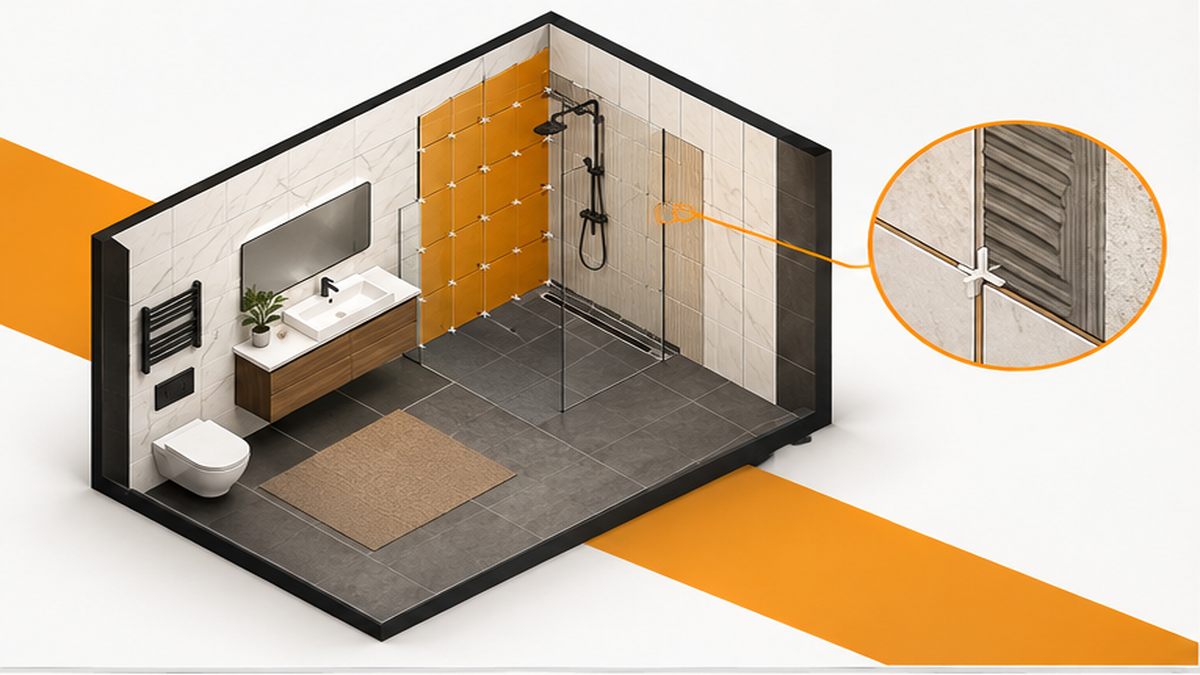
Ceramic wall tile installation requires a flat substrate, precise layout planning, and the right setting material to ensure straight grout lines and lasting adhesion. Many homeowners worry about uneven tile layouts or a messy jobsite in a lived-in kitchen or living space. In Franklin, TN, Oleksiy Kolesnyk handles every project directly to prevent these issues. We protect your home, prepare the wall surface properly, and align every tile with precision. Whether you need a kitchen backsplash or a decorative accent wall, a professional approach keeps the process clean and the final result symmetrical.
The Wall Tile Installation Process
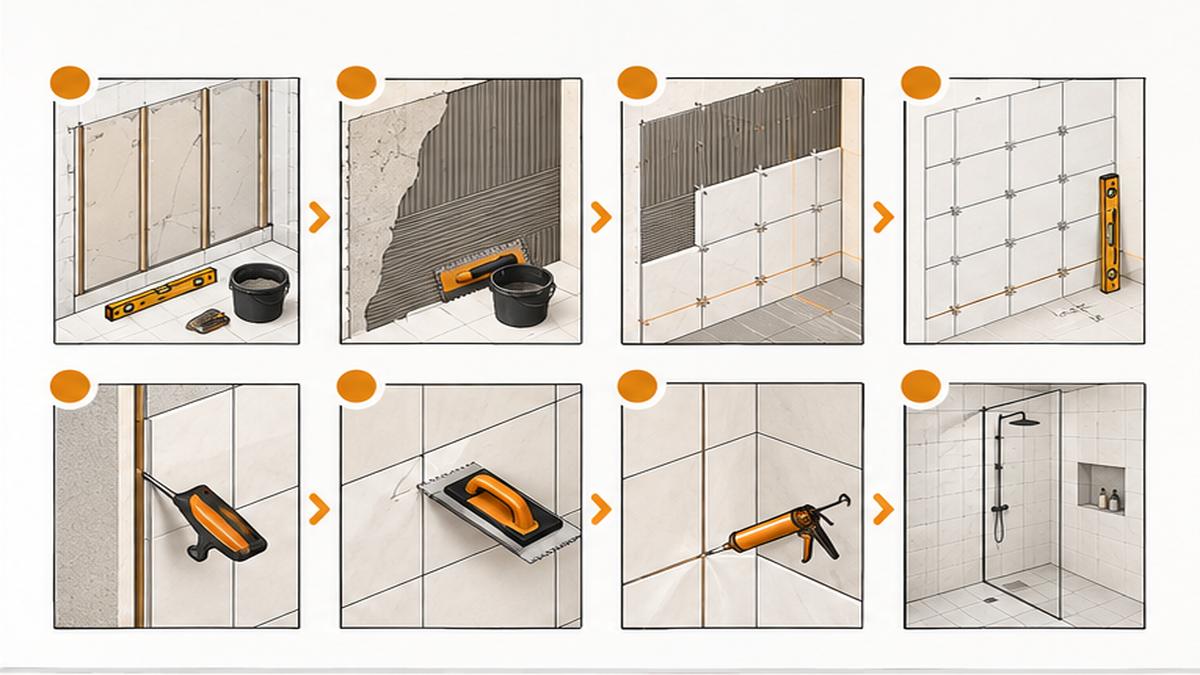
Installing ceramic tile on a wall is different from laying a floor. Gravity pulls wet tile downward, so the setting material must hold the weight immediately. Before any tile goes up, we inspect the drywall or backerboard. A flat surface is critical; skipping this step leads to lippage, where one tile edge sticks out further than its neighbor.
Once the wall is prepped, we map out the layout. We center the pattern on the main focal point, like the space behind a stove or a prominent living room wall. This prevents awkward, tiny sliver cuts at the edges or corners. We dry-fit the pieces, mark outlet cuts, and verify the grout joint sizing.
For dry areas like kitchen backsplashes and living room accent walls, we use appropriate thin-set mortar or mastic depending on the tile size. We apply the mortar with a notched trowel to ensure full coverage behind each ceramic piece. After the tile sets, we apply grout and clean the surface thoroughly. The entire process is contained, meaning your home stays clean while we work.
Planning Your Tile Layout and Materials
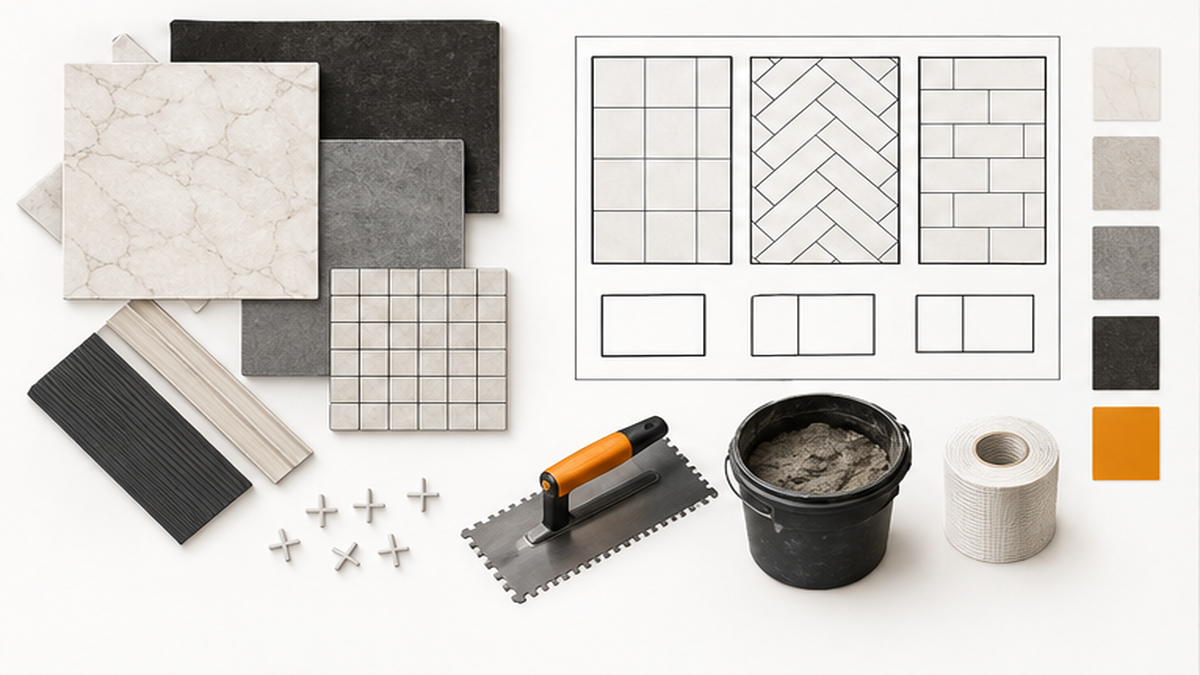
Before scheduling your ceramic wall tile installation, you will need to make a few specific choices about materials and layout. These decisions impact the final look and the overall project timeline. If you are gathering Backsplash Ideas, consider how the trim will match your cabinets.
- Tile Size and Orientation: Standard subway tile can run horizontally, vertically, or in a herringbone pattern. Vertical layouts can make a ceiling feel taller, while horizontal lines stretch a room visually.
- Grout Color and Joint Width: Contrasting grout highlights the tile shape, while matching grout creates a subtle, continuous texture. We space the grout joints based on the tile's edge profile to ensure clean alignment.
- Edge Treatments and Trim: Exposed tile edges need a finished look. You can choose bullnose trim pieces, metal Schluter strips, or a polished edge if the ceramic body allows it.
- Obstructions and Outlet Cuts: Kitchen backsplashes often have multiple electrical outlets, switches, and under-cabinet lighting wires. We measure and cut the ceramic precisely around these features so the cover plates sit flush against the wall.
Mistakes to Avoid During Wall Prep
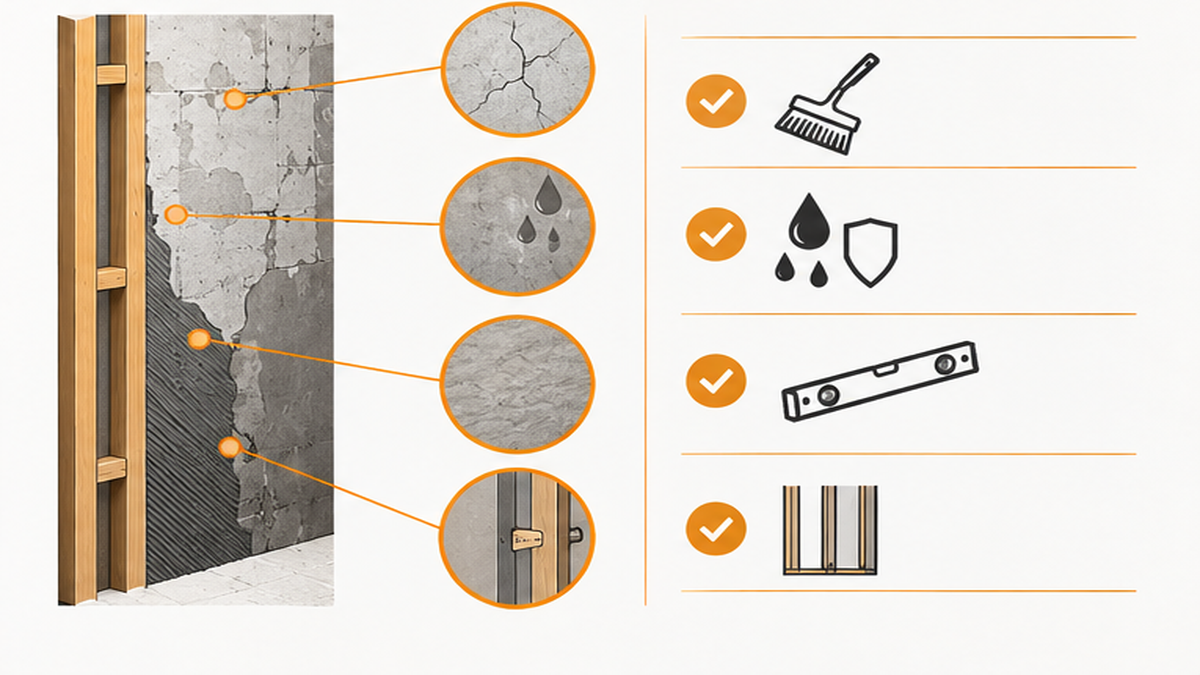
A poorly executed accent wall or backsplash can become a daily frustration. One major mistake is installing ceramic tile directly over damaged or uneven drywall. If the wall bows, the tile will bow with it, creating shadows and uneven edges. We always check substrate flatness before mixing any mortar.
Another frequent error is starting the layout from the bottom corner without measuring the full wall. This often leaves a tiny, unattractive sliver of tile at the ceiling or the opposite wall. We calculate the entire grid beforehand to ensure symmetrical cuts on all sides.
Using the wrong setting material also causes long-term problems. While mastic works for small ceramic tiles in dry areas, large-format tiles or heavier pieces require a modified thin-set mortar to prevent sagging. Finally, rushing the grout process before the mortar fully cures can trap moisture and weaken the bond. We follow strict curing timelines so your Accent Tile Wall remains secure and looks sharp for decades.
When to Hire a Tile Contractor
While some homeowners attempt small tiling projects, certain conditions make professional installation the smarter choice. If your walls are out of plumb or have significant dips, a professional will know how to float the surface or adjust the mortar bed to compensate.
You should also call a contractor when dealing with complex patterns like herringbone or intricate mosaics. These layouts require precise math and constant leveling to keep the lines straight across a large area. Cutting ceramic tile around multiple electrical outlets, window frames, or range hoods also demands specialized wet saws and diamond blades to prevent chipping the glaze.
If you want a clean jobsite and a guaranteed timeline, hiring an experienced installer makes sense. With over 20 years of tile and stone experience, Oleksiy Kolesnyk personally executes every project. We handle the heavy lifting, the dust control, and the precise cuts. If you are also planning a floor update, we manage Tile Floor Installation with the same level of care and attention to detail.
Related Services and Guides
Ready to Update Your Walls?
Every home is different, and a reliable quote requires an on-site inspection. We do not use fixed online price lists because your wall prep, tile choice, and layout complexity all factor into the final scope. If you live in Franklin, Brentwood, or Williamson County, contact Craftsman Tile and Stone. Oleksiy will review your space, discuss your material choices, and provide a clear work plan. Request an estimate today to get started on your ceramic wall tile project.
Common Questions About Ceramic Wall Tile
How is accent wall tile priced per square foot in my area?
What should I put down before installing ceramic tile?
How long does backsplash installation take?
Who should I hire for accent wall tile in my area?
Keeping Your Ceramic Tile Clean
Maintaining your new ceramic wall tile is straightforward. Because ceramic has a fired glaze, it resists stains and wipes clean easily. For everyday maintenance on a kitchen backsplash, use a soft cloth or sponge with warm water and a mild, non-abrasive dish soap to wipe away cooking splatters. Avoid harsh scrubbing pads or acidic cleaners, as these can degrade the grout lines over time.
If you have a decorative accent wall in a living space, regular dusting with a microfiber cloth is usually all it takes to keep the surface looking sharp. We also recommend checking the caulking joints where the tile meets your countertops or adjacent walls once a year. Keeping those transitions sealed ensures your Tile Wall Installation remains secure and visually appealing. For a broader look at project costs, review our Tile Walls & Backsplashes pricing guide.