
What to Expect During a Full Bathroom Renovation
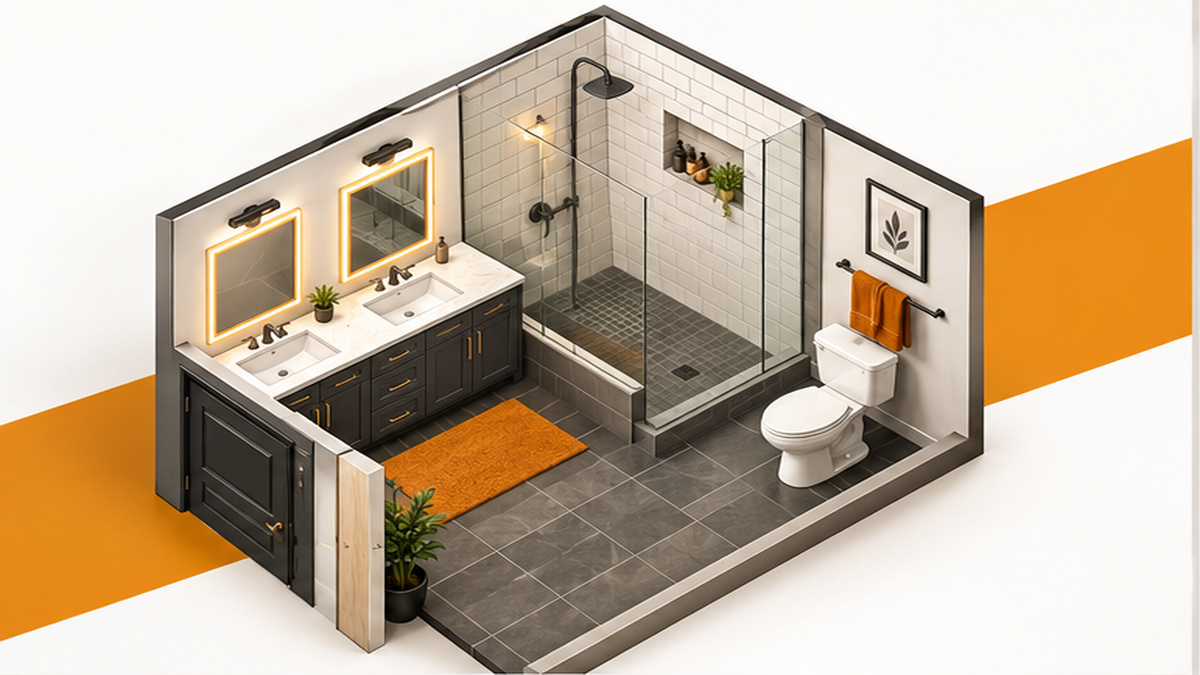
A full bathroom renovation in Franklin, TN involves completely removing existing materials down to the studs or subfloor, repairing the substrate, installing proper waterproofing, and setting new custom tile for showers, floors, and vanity surrounds. Because every home has unique subfloor conditions and plumbing layouts, there is no fixed online price list for this work. Instead, the final cost depends on an on-site inspection to assess the required prep work, material choices, and layout complexity. Craftsman Tile and Stone handles these complete teardowns and rebuilds, ensuring your wet areas meet rigorous trade standards. We focus on precise alignment and proper moisture protection from the first day of demolition to the final grout line. For a deeper look at budgeting, review our Bathroom Remodeling cost guide.
The Layers Beneath the Tile
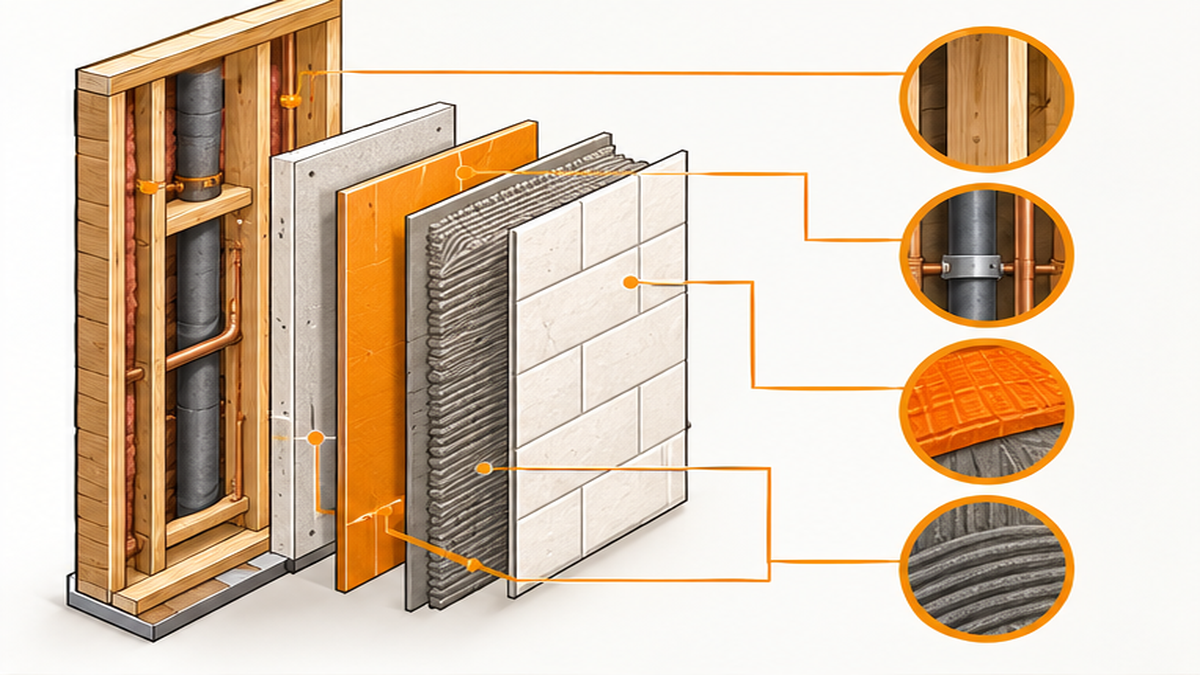
Planning a complete tear-out requires understanding exactly what happens behind the walls before the new finish material goes up. Many homeowners focus on the final look, but the longevity of a custom bathroom remodel relies entirely on the prep work. Once demolition is complete, we inspect the exposed joists and studs for hidden structural rot or water damage. From there, we install cement backer board or an equivalent substrate board in all wet areas.
Next comes the critical step of moisture protection. We build custom shower pans and apply waterproofing membranes to ensure the enclosure remains watertight. Only after these layers cure do we begin the layout planning. Setting material is applied with careful attention to coverage, ensuring large-format floor tiles or intricate shower mosaics sit perfectly level without lippage. By managing the entire process, Oleksiy ensures the underlying structure is as solid as the visible tile work. If you are exploring layout ideas for your space, reviewing our Bathroom Design guide can help you narrow down material preferences before we start the technical work.
Key Decisions Before You Request an Estimate
Before requesting an estimate, you have several key decisions to make that will directly impact your project's scope and timeline. First, decide whether the existing plumbing footprint will remain or if fixtures need to move. Relocating a toilet or expanding a shower footprint requires additional rough-in work by your plumber before we can begin substrate prep.
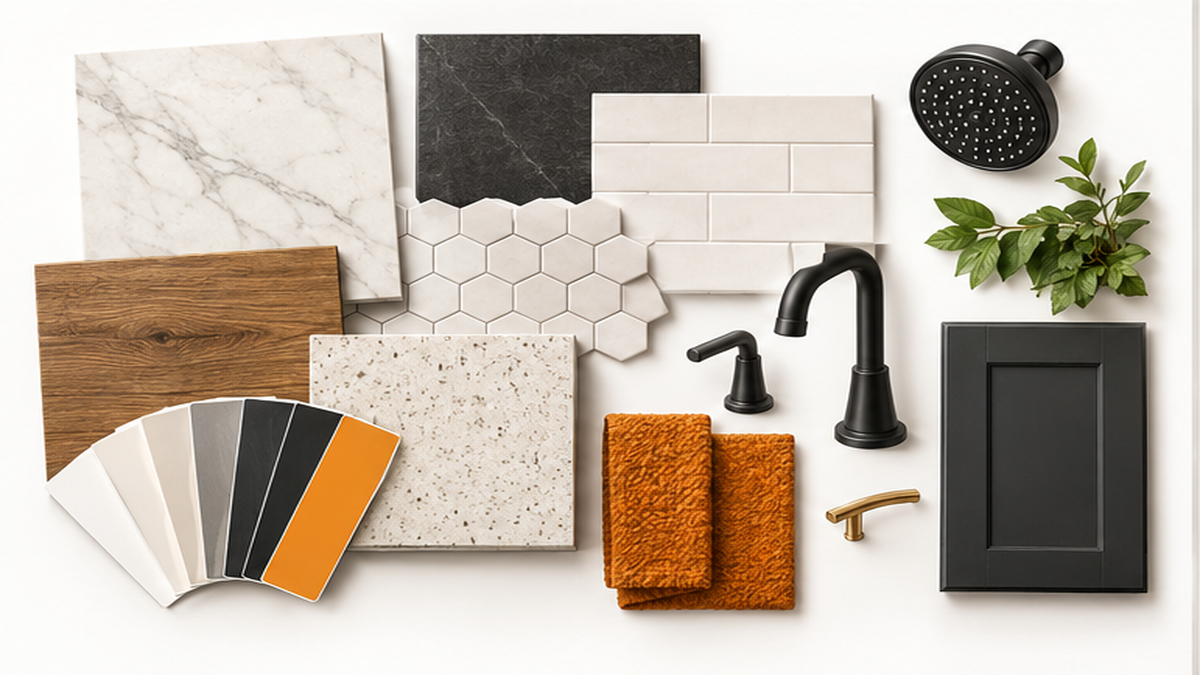
Second, consider your material selection. The tile price, shape, and quality drive a large share of the overall cost. Large-format porcelain requires a flatter subfloor, while natural stone demands specific sealants and maintenance. If you are considering Tile Walls & Backsplashes around the vanity, note that intricate mosaic patterns take longer to align and grout than standard subway tile.
Finally, think about access and timeline in an occupied home. A full tear-down means the space will be unusable for several weeks. We protect your home by containing work areas and covering surfaces, but you will need to plan for the disruption. Gathering your room dimensions, inspiration photos, and preferred tile SKUs will make your initial consultation much more productive.
Common Pitfalls in Bathroom Overhauls
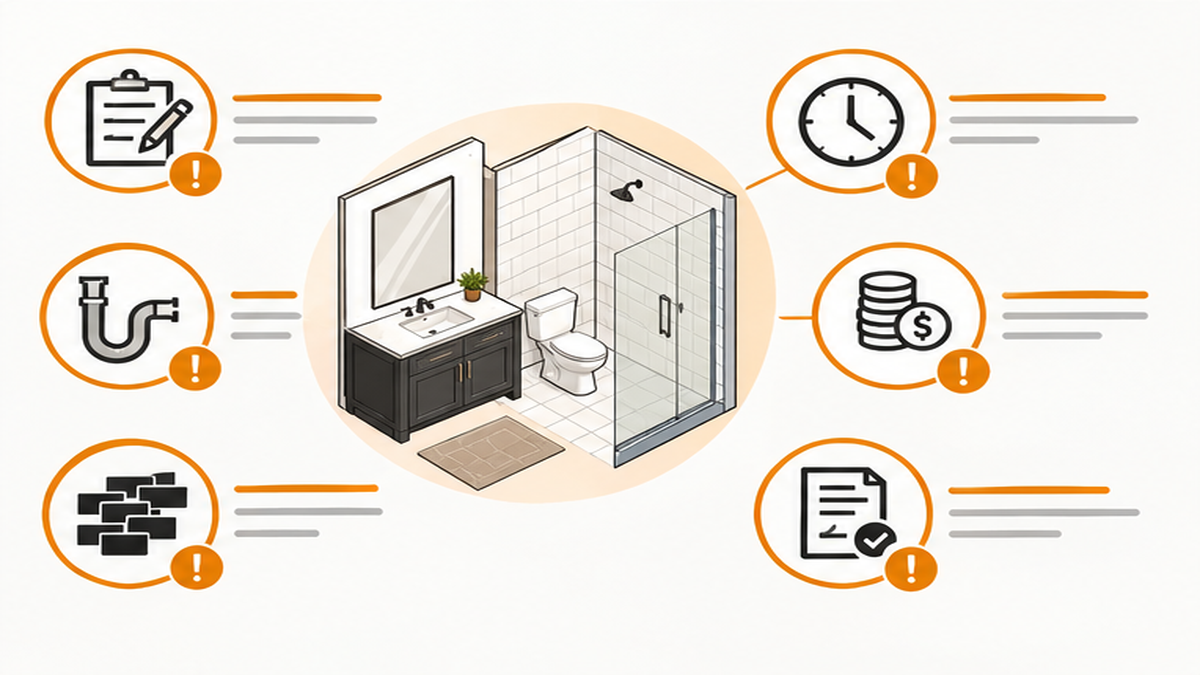
Homeowners planning a major bathroom overhaul often run into avoidable setbacks. Here are the most common mistakes we see in Williamson County:
- Ignoring the subfloor condition: Installing expensive tile over a bouncing or uneven subfloor guarantees cracked grout joints later. We always check deflection and level the surface first.
- Relying on fixed online quotes: Assuming a standard price applies to every house leads to budget surprises. Hidden water damage or out-of-plumb walls change the required labor. This is why we only provide estimates after an on-site inspection.
- Choosing materials based only on looks: Not all tile is rated for wet areas or heavy foot traffic. Polished marble on a shower floor can be dangerously slippery, while highly porous stone requires rigorous sealing.
- Skipping proper waterproofing: Relying on water-resistant drywall instead of a dedicated waterproof membrane in the shower pan and walls is a recipe for mold and structural rot.
Avoiding these errors starts with hiring a contractor who prioritizes the layers you cannot see just as much as the final aesthetic.
When to Bring in a Tile and Stone Contractor
While painting walls or swapping cabinet hardware are manageable weekend tasks, a full bathroom renovation requires professional expertise. You should call a dedicated tile and stone contractor when your project involves wet-area demolition, custom shower pans, or structural substrate repairs.
If you notice a squishy shower floor, cracked tiles, or persistent mold, water has likely breached the existing barrier. These signs indicate that the old materials must be completely removed to address the underlying rot. Additionally, if you are upgrading to large-format tiles, the subfloor must be perfectly flat to avoid toe-stubbing edges, known as lippage. Achieving this level of precision takes years of hands-on experience.
Oleksiy personally handles every project, bringing over 20 years of artisan tile installation and design experience to your home. We manage the heavy lifting, dust control, and technical waterproofing so you do not have to risk water damage or rework. For a deeper look at what to expect during a major overhaul, read our Bathroom And Remodeling overview.
Related Resources
Plan Your Custom Bathroom Remodel
Frequently Asked Questions About Bathroom Renovations
How much should a full bathroom renovation cost?
What does a bathroom remodel look like?
How long does a bathroom tile remodel take?
How do I request a bathroom remodel estimate?
Maintaining Your New Tile and Stone
After investing in a custom bathroom remodel, proper maintenance keeps your tile and stone looking pristine for decades. Always use a pH-neutral cleaner designed specifically for natural stone or porcelain tile. Harsh acidic chemicals, like bleach or vinegar, can degrade the grout joints and strip the protective sealants from natural stone surfaces.
For custom shower pans and wet-area tile, squeegee the walls after each use to prevent hard water buildup and soap scum. Ensure your bathroom has adequate ventilation to pull moisture out of the air, which helps prevent surface mildew. If you have natural stone vanity surrounds or floors, plan to reapply a penetrating sealer periodically as recommended by the material manufacturer. Taking these simple steps protects the waterproofing integrity and maintains the artisan finish of your new space. To learn more about the long-term value of these upgrades, visit our Bathroom Remodel service page.