
Kitchen and Bath Tile Services in Franklin
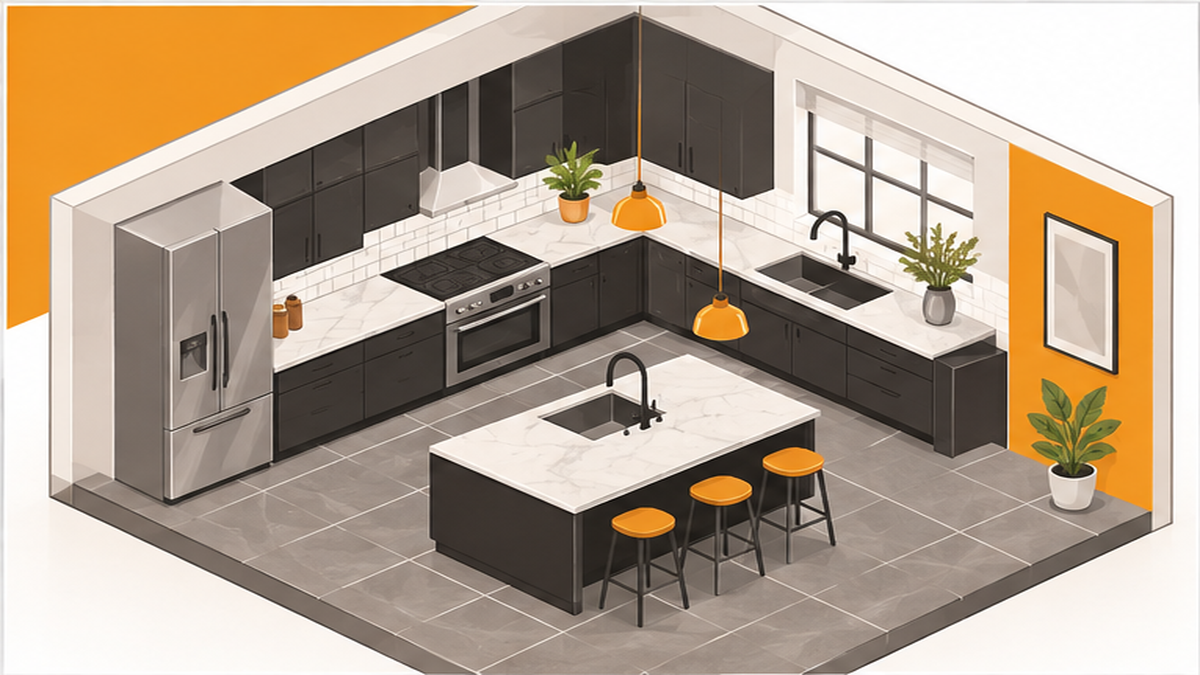
Kitchen and bath tile installations require precise substrate preparation, careful material selection, and proper waterproofing to ensure the finished surfaces last for decades. For homeowners in Franklin, TN, updating these spaces means moving beyond basic aesthetics to focus on structural integrity and proper layout planning.
Whether you are planning a custom shower or a new backsplash, the foundation of the project dictates the final result. Craftsman Tile and Stone handles every phase of the process, from checking the subfloor for deflection to aligning the final grout joints. Oleksiy Kolesnyk personally executes every project, bringing over 20 years of tile and stone experience to your home. We focus on doing the job right the first time, ensuring your wet areas are fully protected and your tile lines are perfectly symmetrical.
The Foundation of a Lasting Tile Installation
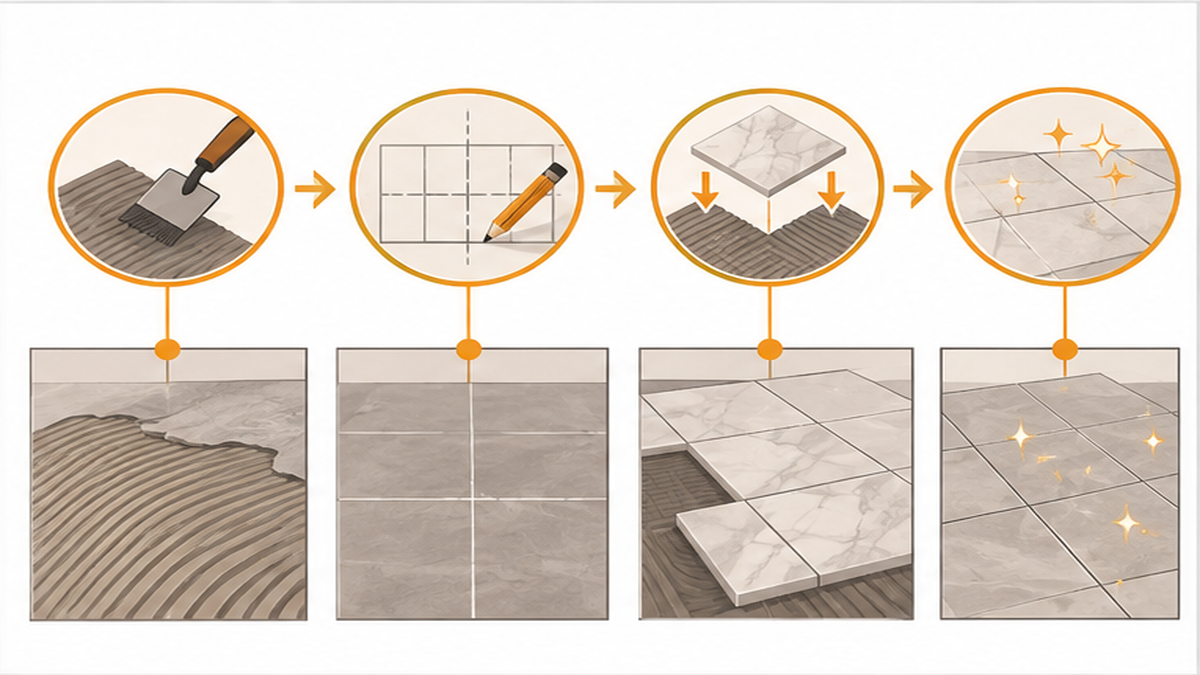
A successful tile installation relies on what happens before the first piece of stone or porcelain is set. Surface preparation and layout planning are the most critical phases of any kitchen and bath project.
Before mixing thin-set mortar, we evaluate the existing conditions of your walls and floors. This inspection determines the necessary steps for a durable installation.
- Substrate preparation: We check floors for bounce and walls for plumb. Installing tile over an uneven or flexing surface leads to cracked grout and loose materials.
- Moisture protection: Wet areas require specific attention. We install cement backer board and proper membrane systems to protect your home's framing from water damage.
- Layout planning: We dry-fit materials to plan cuts around outlets, windows, and corners. This ensures symmetrical grout lines and avoids awkward slivers of tile at the edges of your room.
By addressing these foundational elements, we prevent common failures and create a solid base for your chosen finish material.
Choosing Materials and Layouts
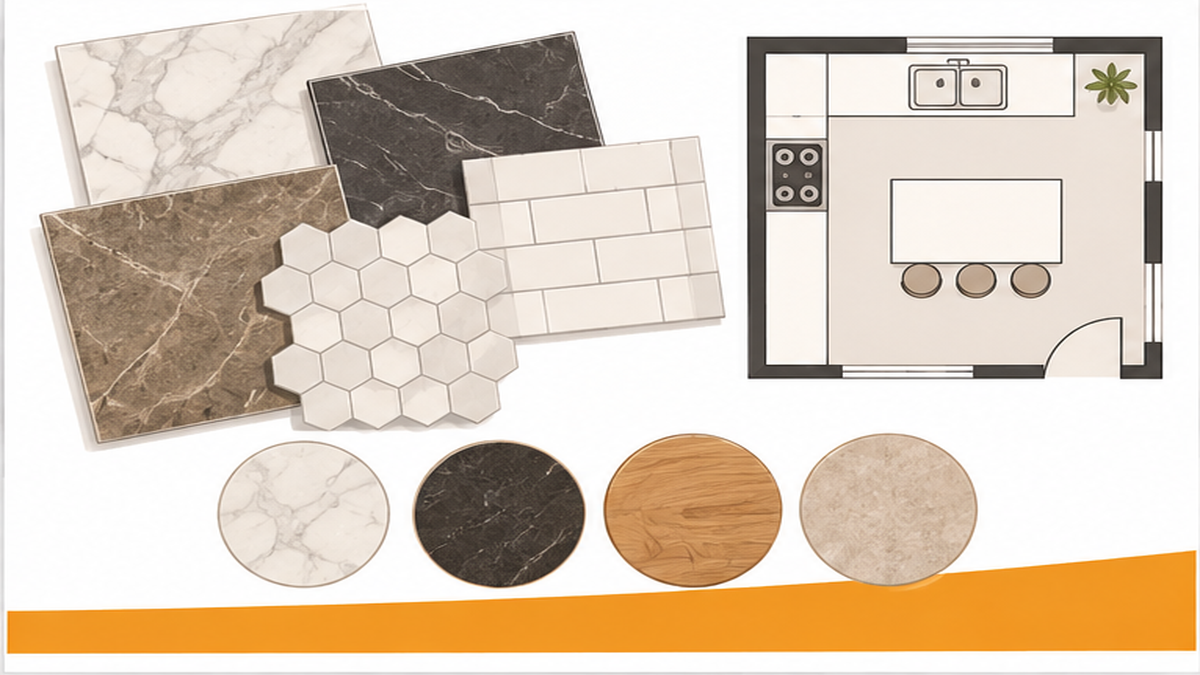
Selecting the right materials for your kitchen and bath involves balancing daily usage with your preferred design. Homeowners must consider how different tiles perform in wet or high-traffic environments.
| Material Type | Best Application | Practical Considerations |
|---|---|---|
| Porcelain Tile | Floors and shower walls | Highly dense and absorbs very little water. Excellent for busy bathrooms. |
| Ceramic Tile | Backsplashes and dry walls | Easier to cut for complex layouts, but less impact-resistant than porcelain. |
| Natural Stone | Custom accents and floors | Requires regular sealing to prevent stains, especially in wet areas. |
Beyond the tile itself, grout selection and finish play a major role in the final appearance. Epoxy grouts offer high stain resistance for cooking areas, while standard cementitious grouts work well in less demanding spaces. We also help you plan the transition between rooms, ensuring your backsplash tiles for your kitchen align visually with your floor patterns.
Avoiding Common Installation Errors
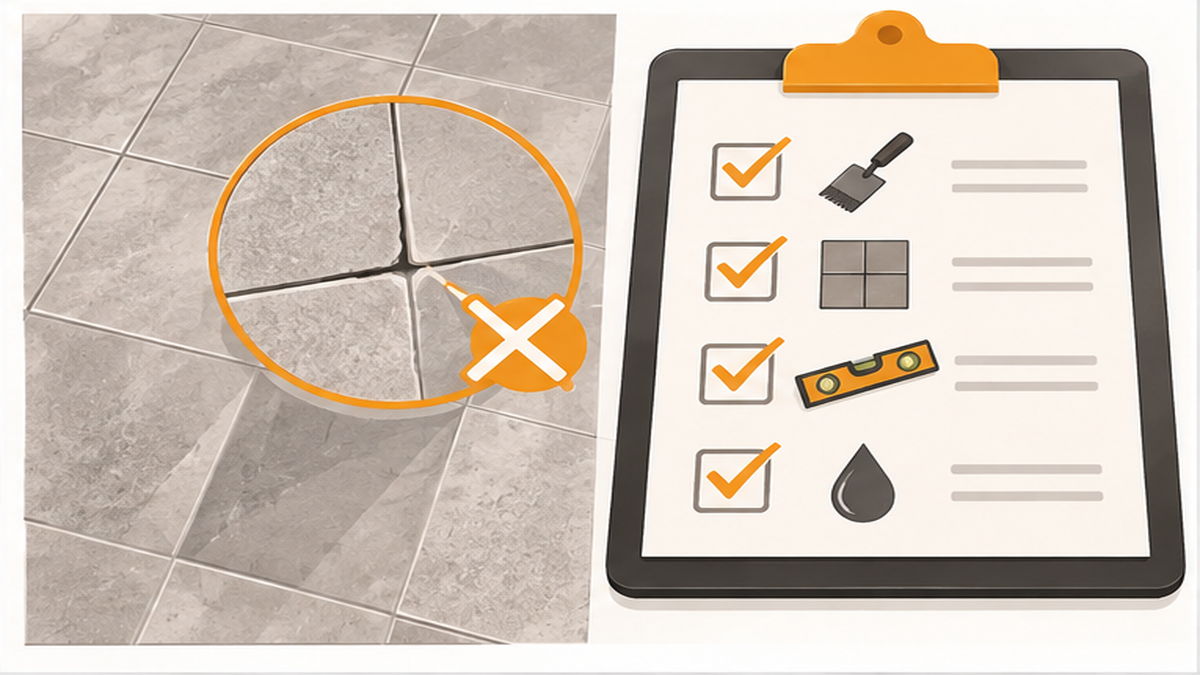
Rushing the preparation phase is the most frequent cause of tile failure in residential projects. Many homeowners and inexperienced installers focus solely on the visible finish, neglecting the structural requirements underneath.
Installing new tile directly over an old, flexing subfloor will inevitably cause grout to crack as the house shifts. Similarly, relying on water-resistant drywall instead of a dedicated waterproofing membrane in a shower invites hidden rot and mold behind the walls.
Another frequent error is poor layout planning. Starting a pattern without measuring the entire room often results in uneven cuts at the ceiling or floor line. We avoid this by measuring the space completely and establishing center lines before applying any setting material. Proper planning prevents lippage—where one tile edge sits higher than its neighbor—creating a smooth, safe surface across your entire floor.
When to Hire a Tile Specialist
Certain conditions require a professional tile contractor to ensure the safety and longevity of your home. If you notice soft spots in your floor, cracked existing tiles, or signs of water damage near a tub, it is time to bring in a specialist.
Large-format tiles and complex natural stone patterns also demand professional handling. These heavier materials require a perfectly flat substrate and specialized mortar coverage to prevent cracking. If your project involves a custom shower pan, the slope and waterproofing must meet strict industry standards to drain correctly and prevent leaks.
When you hire contractors for remodeling homes, verify that they handle their own tile work or use dedicated craftsmen. Oleksiy manages every detail of your installation directly, ensuring the moisture protection and final alignment meet our strict criteria.
Related Tile Services and Resources
Plan Your Tile Project
Common Questions About Kitchen and Bath Tile
How is Kitchen Tile Services priced in my area?
What are the latest trends in kitchen and bath design?
Is it cheaper to get a bathroom and kitchen done at the same time?
How do I get an estimate?
Maintaining Your New Tile
Proper maintenance keeps your tile looking new and protects the integrity of the grout joints. Routine care is straightforward as long as you use the right products for your specific material.
For daily cleaning on kitchen tile flooring, use a pH-neutral cleaner and a soft mop. Avoid harsh acidic chemicals like bleach or ammonia, which can break down grout sealers and etch natural stone. If you have a highly trafficked area or a commercial kitchen setup in your home, sweep regularly to remove abrasive dirt that can scratch glazed finishes.
In the bathroom, run your exhaust fan during and after showers to reduce moisture buildup. Inspect the caulking at the corners and along the tub line annually; replacing worn caulk promptly prevents water from seeping behind the tile.