
Tile Ideas For Fireplace Surround
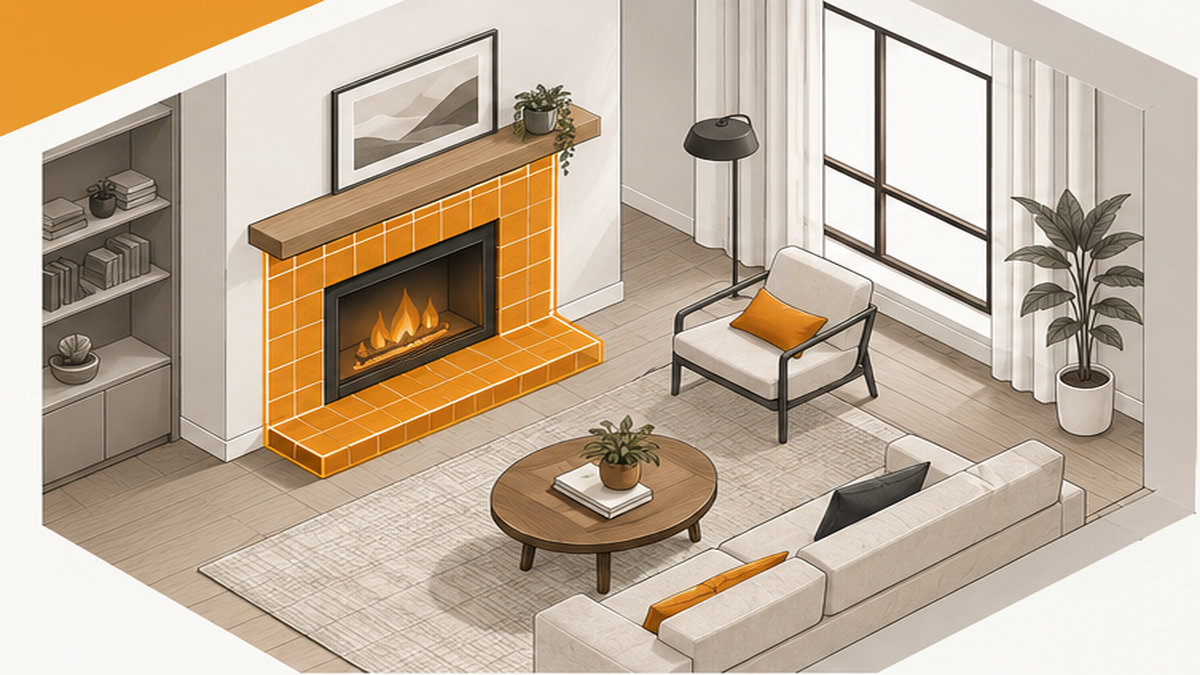
Choosing tile for a fireplace surround means selecting heat-resistant materials like porcelain, ceramic, or natural stone that fit your room's design and structural requirements. In Franklin, TN, homeowners often update their living spaces by replacing outdated brick or builder-grade surrounds with clean, modern tile layouts. A proper installation requires careful heat-resistant material selection, thorough surface prep, and precise alignment around the firebox.
Craftsman Tile and Stone handles custom fireplace tiling across Williamson County, ensuring the substrate is ready and the final grout lines are perfectly symmetrical. Whether you want a subtle hearth update or a dramatic floor-to-ceiling focal point, the right approach combines aesthetic vision with strict adherence to safety and durability standards. Oleksiy personally executes every project, bringing over 20 years of tile and stone experience directly to your living room.
Material Selection and Surface Prep
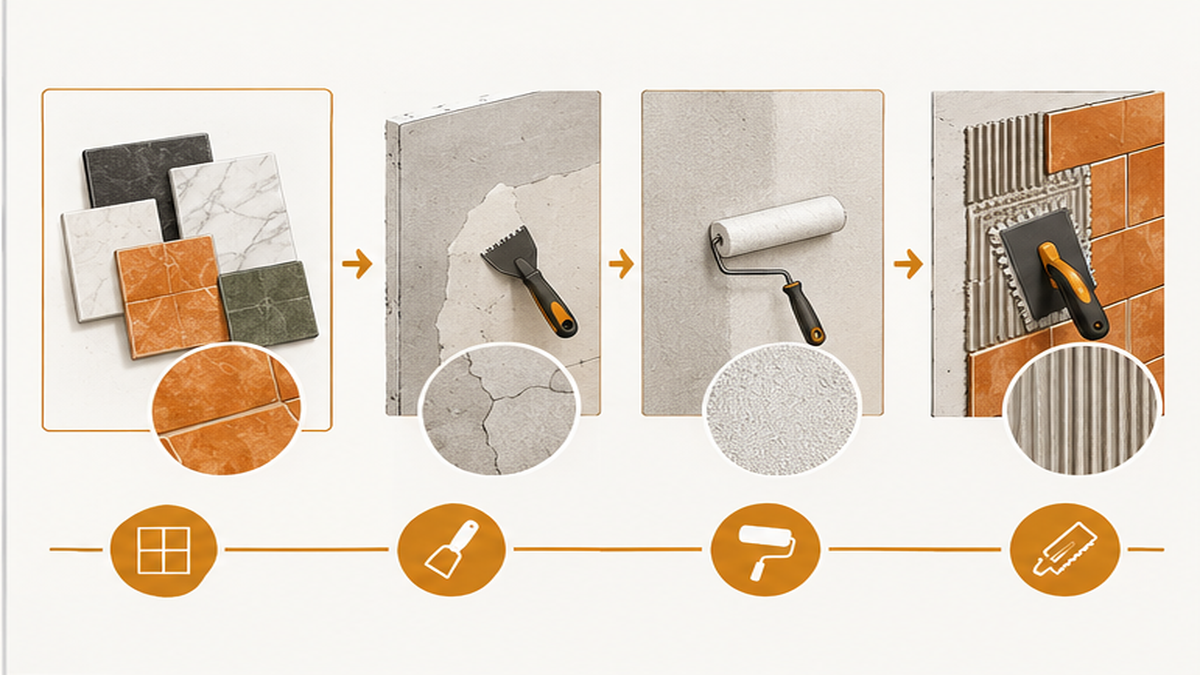
The right fireplace surround tile depends on the heat output of your unit and the visual weight you want in the room. Porcelain is highly durable, resists heat well, and offers finishes that mimic natural stone, concrete, or wood. Ceramic tile works well for many mantel surrounds, offering classic glazes and varied shapes that add character without overwhelming the space. Natural stone brings a timeless texture but requires specific sealing and maintenance to protect against soot and ash.
Before any tile goes up, the substrate must be inspected and prepped. Selecting the ideal tile for fireplace surround projects ensures the material can handle temperature fluctuations without cracking the thin-set mortar or grout joints. Proper layout planning ensures that cuts are symmetrical around the firebox opening and that the tile transitions smoothly to adjoining walls.
We check for plumb and level surfaces, often installing cement backerboard over existing drywall to create a rigid, fire-safe foundation. This preparation phase is critical; even the most expensive tile will fail if the surface beneath it flexes or degrades under heat. By focusing on these foundational steps, the resulting installation remains secure and visually striking for decades.
Practical Choices for Your Surround
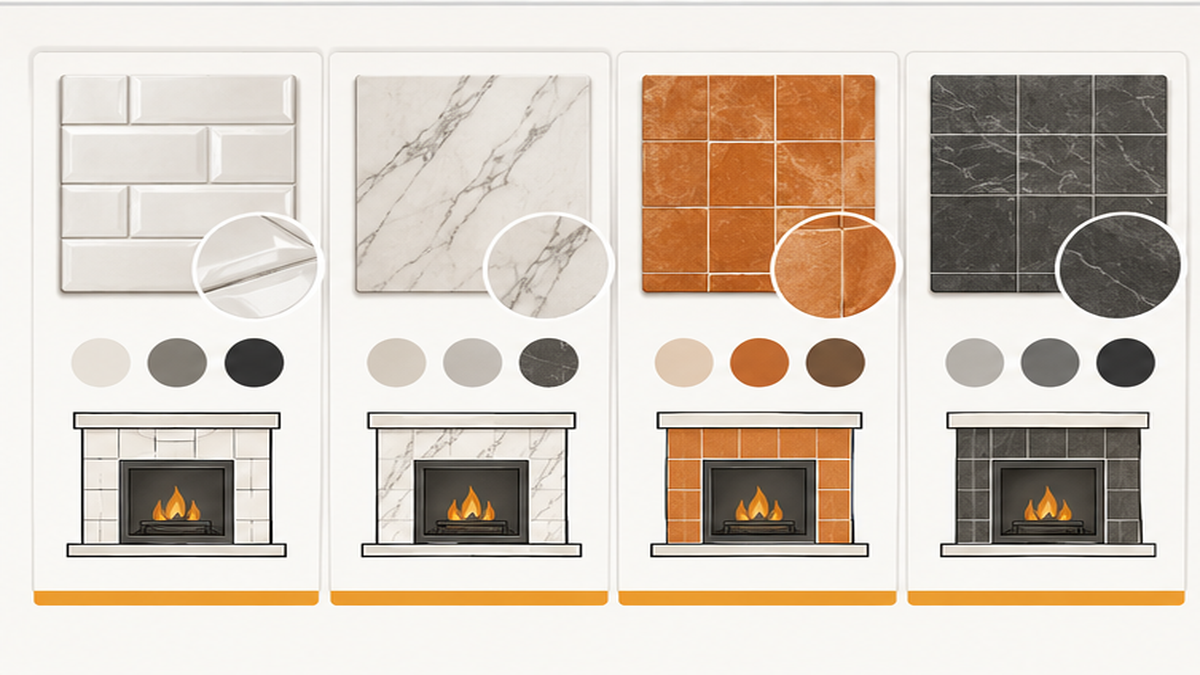
When planning your project, you have several practical choices to make about the design and scope of the installation.
- Material format and scale: Large-format tiles minimize grout lines for a sleek, uninterrupted look, while smaller mosaics or subway tiles add traditional texture and visual interest.
- Hearth inclusion: Decide if the project stops at the surround or extends to the floor hearth. Hearth tile must withstand foot traffic, dropped fireplace tools, and heavy loads, making dense porcelain or solid stone ideal choices.
- Grout selection: Heat-resistant grout is necessary near the firebox. Darker grout hides soot and ash effectively, while lighter grout highlights the tile pattern but requires more frequent cleaning.
- Layout patterns: A standard staggered brick pattern offers a classic feel, while a herringbone or vertically stacked layout draws the eye upward, making the ceiling feel higher.
- Transition to the mantel: The tile needs a clean finish where it meets wood mantels or painted drywall, often requiring specific trim pieces, metal profiles, or polished bullnose edges.
If you are exploring different looks, you can review various fireplace tile surround ideas to see what fits your home's architecture. Additionally, if you are planning broader renovations, you might draw inspiration from shower tile ideas for cohesive material choices throughout the house.
Common Installation Mistakes to Avoid
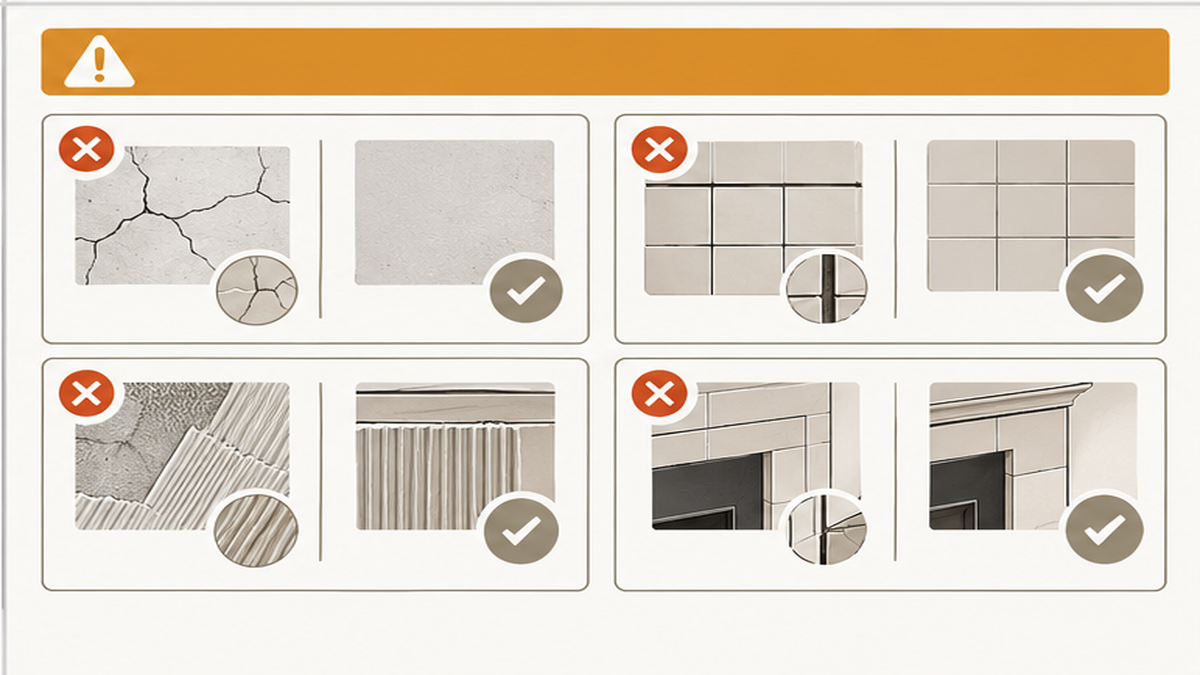
A frequent error in fireplace tiling is ignoring the heat rating of the setting materials. Standard thin-set mortar can fail if exposed to extreme temperature swings, leading to loose tiles and cracked grout joints over time. Another mistake is poor layout planning. If the installer starts from one side without measuring the full width of the firebox, you end up with tiny, uneven tile slivers on the opposite edge, ruining the symmetry.
Skipping surface prep is also a major issue. Installing new tile directly over painted drywall or soot-stained brick without proper cleaning, scarifying, or backerboard installation prevents a strong bond. Many homeowners also forget to account for the thickness of the new tile, which can interfere with the operation of firebox doors or extend past the existing mantel depth awkwardly.
Finally, failing to leave appropriate expansion joints where the tile meets different materials can cause the installation to buckle as the wall expands and contracts with the heat. Proper installation requires accounting for all these variables before mixing the first batch of mortar.
When to Hire a Tile Contractor
Tiling around a fireplace involves strict clearances and specific material requirements that go beyond a standard backsplash. You should call a professional when the existing surround needs demolition, especially if you suspect the substrate is damaged, out of plumb, or structurally compromised. Large-format porcelain and heavy natural stone require specialized cutting tools and advanced thin-set application to prevent sagging on vertical surfaces.
If your project involves a full floor-to-ceiling installation, scaffolding and precise leveling are necessary for a safe, symmetrical finish. A professional contractor handles the complete estimate preparation checklist, ensuring all demolition, disposal, and heat-resistant materials are accounted for before work begins. During an on-site consultation, Oleksiy assesses the wall structure, discusses your design goals, and maps out the exact scope of work.
If you are considering a heavier material, our stone fireplace installation service covers the specific structural prep required to support the extra weight. Understanding the full scope of fireplace tiling helps you plan a realistic budget and timeline for your living room update.
Related Tile and Stone Services
Request a Free Estimate
Common Questions About Fireplace Tile
What is the new trend for fireplaces?
What kind of tile is timeless for a fireplace?
Maintaining Your Fireplace Tile
Keeping your fireplace tile looking sharp requires minimal but consistent care. Wipe down ceramic and porcelain surfaces with a damp cloth and a mild, non-acidic cleaner to remove dust and occasional soot. If you have a natural stone surround, apply a penetrating sealer periodically to prevent smoke stains from settling into the porous surface.
Avoid harsh abrasive sponges that can scratch glossy finishes or degrade the grout lines. Inspect the grout joints annually, especially near the firebox opening, to ensure the heat has not caused any cracking or separation. If you notice any loose tiles, contact a professional to assess the mortar bond before the issue spreads. Regular maintenance ensures your custom installation remains a safe centerpiece in your home for years to come.