
Bathroom Conversions in Franklin, TN
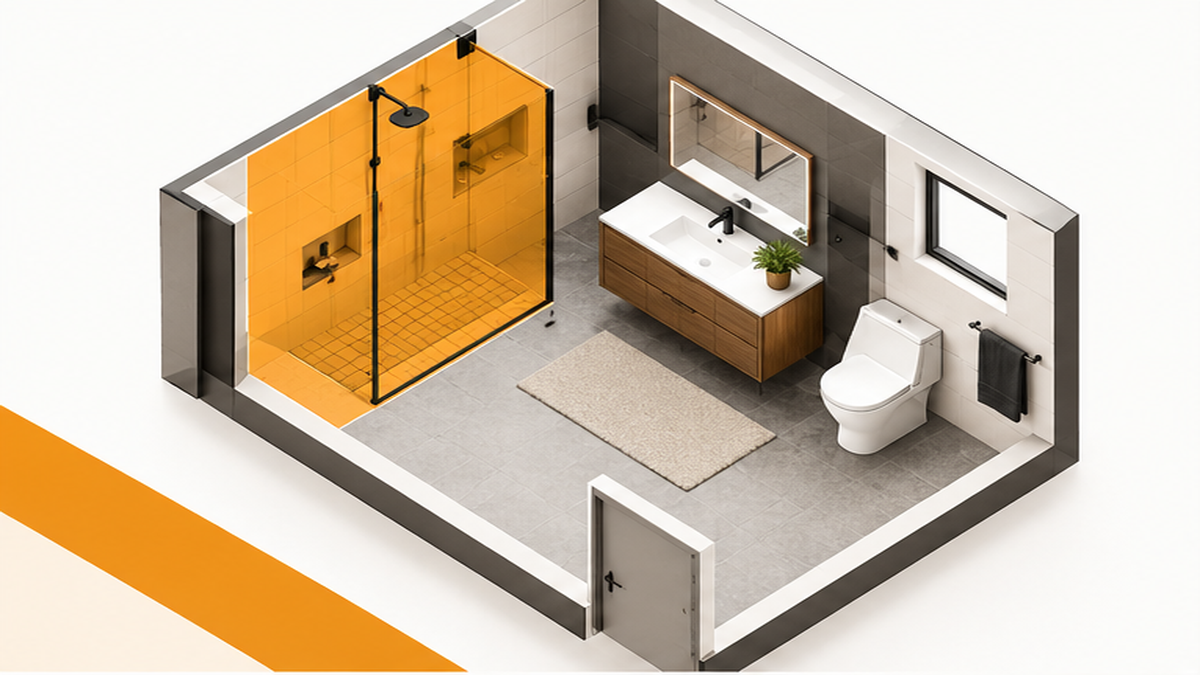
A bathroom conversion involves changing the layout or primary fixture of your space, most commonly turning an unused tub into a walk-in shower. For homeowners in Franklin, TN, this process requires careful demolition, substrate preparation, and proper wet-area waterproofing before any tile is set. Oleksiy Kolesnyk personally handles every custom bathroom remodel to ensure the new layout meets structural and moisture protection standards. Whether you are updating a primary suite or modifying a guest bath for better accessibility, a successful conversion relies on a clear estimate and a solid shower pan.
How the Conversion Process Works
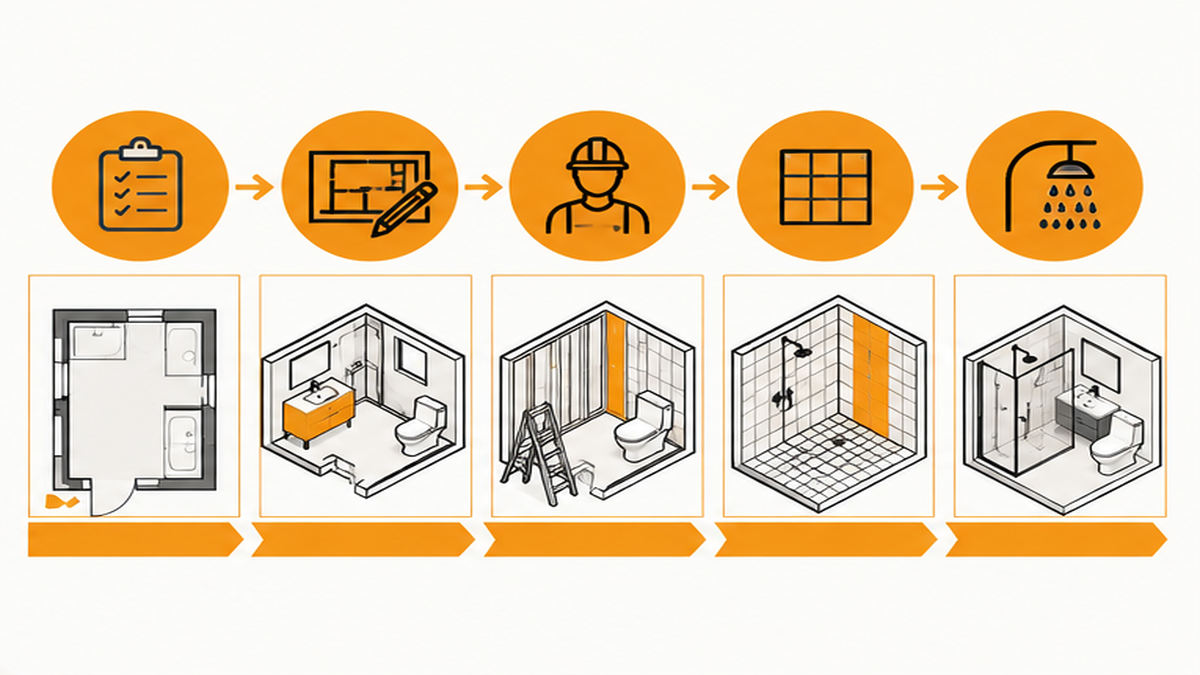
Converting a bathroom layout starts with understanding what is behind your existing walls and floors. Once the old tub or shower is removed, we inspect the substrate for water damage or deflection. A bouncy floor under tile will cause grout lines to crack, so addressing structural issues early is a priority. After the framing and subfloor are secure, we install cement backer board and apply a waterproof membrane across the entire wet area. The shower pan prep is a critical step; we build custom shower pans with the correct slope to ensure water drains properly.
Only after the waterproofing is verified do we begin the tile installation. Material selection plays a large role in the final look and timeline. Large-format tiles require a perfectly flat surface to avoid lippage, while smaller mosaics need careful alignment. We outline these steps in a detailed estimate preparation checklist so you know exactly what to expect during the project. Our focus is on careful technique and quality materials, ensuring the new layout functions reliably for your daily routine.
Key Decisions for Your Remodel
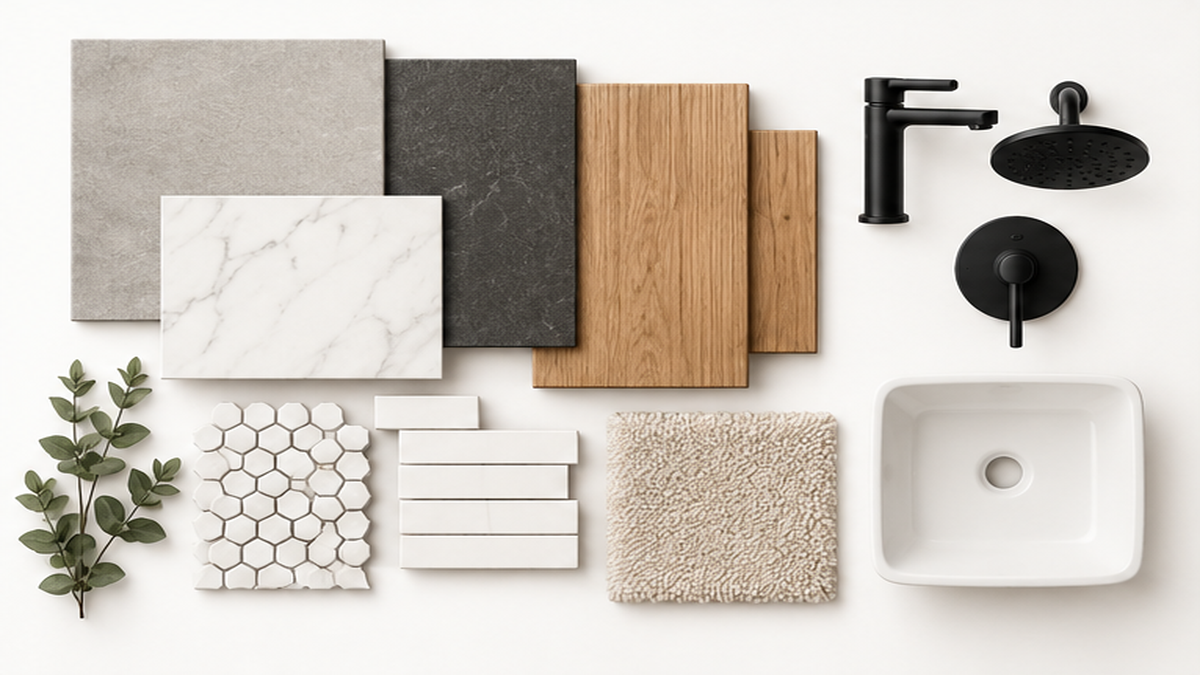
Before starting a tub-to-shower conversion, you need to finalize a few key details that drive the project scope. First, decide on the shower pan style. You can choose a prefabricated base or a custom tiled pan, which offers more design flexibility but requires additional waterproofing steps. Next, consider your tile material. Porcelain is dense and absorbs very little water, making it ideal for wet areas, while natural stone requires regular sealing.
The complexity of your tile pattern also impacts the timeline. Adding niches, benches, or intricate mosaic accents takes more time to align and cut. Finally, think about the plumbing layout. Moving a drain or showerhead to a different wall involves more rough-in work before we can start the substrate prep. We discuss all these variables during the on-site consultation to build a clear work plan. If you are exploring different approaches, reading about shower and bath conversions can help clarify what fits your space and budget factors.
Avoiding Common Remodeling Mistakes
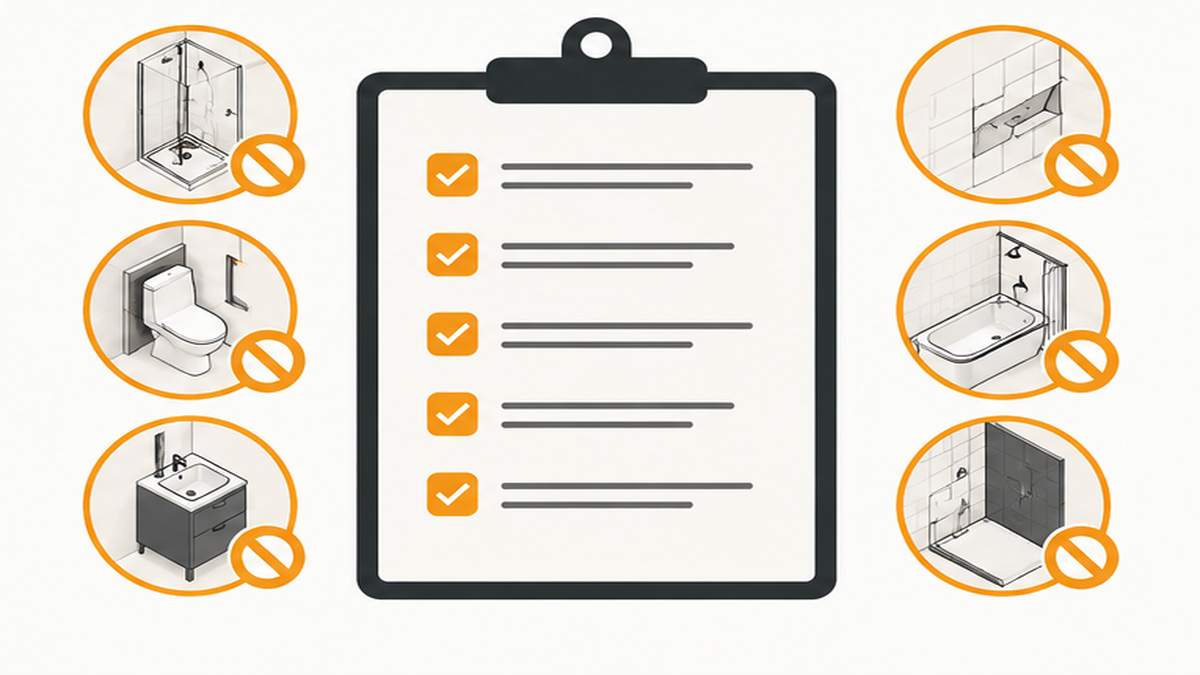
One of the most frequent mistakes in a bathroom remodel is installing new tile over an unstable or improperly prepped substrate. If the floor flexes, the new tile will eventually crack. Another common error is relying on water-resistant drywall instead of proper cement backer board and a dedicated waterproof membrane in the shower enclosure. Skipping the waterproofing layer often leads to hidden structural rot behind the walls.
Homeowners also sometimes purchase materials without checking if they are rated for wet areas or floor use. A glazed wall tile placed on a shower floor creates a serious slip hazard. Finally, rushing the curing process causes long-term issues. Thin-set mortar and grout need specific time windows to cure properly before the shower is exposed to water. We follow a strict day-by-day schedule to ensure every layer sets correctly. If you are comparing contractors, asking about their waterproofing methods is a good way to separate artisan tile installation from a rushed job. For those looking for specific acrylic options, reviewing acrylic shower installers can provide a baseline for comparison, though we focus strictly on custom tile and stone.
When to Call a Tile Contractor
You should call a professional tile contractor when your bathroom conversion involves moving plumbing, altering the shower pan, or installing a new waterproof membrane. A leaking shower or a squishy shower floor are clear signs that the existing waterproofing has failed and requires a full tear-out. If you notice cracked or missing tiles, or if the floor feels bouncy when you walk on it, a professional needs to assess the subfloor before any new material is installed.
Handling demo and substrate repair requires specific tools and dust control measures to protect the rest of your home. Oleksiy personally handles every project, ensuring the work area is contained and cleaned daily. When you are ready to move forward, we provide a written estimate that lists the demolition, disposal, materials, and grout type. This level of detail protects your home and ensures the final result is level, symmetrical, and built to last. If you are researching standard layouts, reading about a bath tub to shower conversion can help you prepare for the consultation.
Related Services and Guides
Ready to Discuss Your Project?
Common Questions About Bathroom Conversions
What is a realistic budget for a bathroom remodel?
What does a bathroom remodel look like?
How long does a bathroom tile remodel take?
How do I request a bathroom remodel estimate?
Maintaining Your Custom Tile Shower
Keeping your new custom tile shower looking clean requires simple, consistent maintenance. Use a neutral, non-abrasive cleaner for routine washing to protect both the tile finish and the grout joints. Harsh chemicals or acidic cleaners can break down the grout and damage the waterproof seal over time. Wipe down the walls with a squeegee after each use to prevent hard water buildup and soap scum.
If you have natural stone installed, you will need to apply a penetrating sealer periodically to prevent moisture absorption and staining. Inspect the silicone sealant at the corners and changes of plane once a year, replacing it if it begins to peel or crack. Proper ventilation is also critical; run your bathroom exhaust fan during and after showers to reduce humidity and prevent mildew growth. Taking these basic steps ensures your tile work remains pristine and durable for years. If you are considering a broader update, learning about a full bathroom exchange can give you ideas for your next project.