
How Much Does It Cost To Tile A Fireplace Surround Guide

An outdated or damaged fireplace surround drags down the entire room, prompting many homeowners to seek an upgrade. The cost to tile a fireplace surround depends entirely on your material choice, the condition of the substrate, heat-rating requirements, and layout complexity. Because these factors vary widely from house to house, there is no single fixed online price. A reliable quote requires an on-site inspection to check clearances and wall conditions.
We handle Fireplace Tiling for homeowners in Franklin, TN, and Williamson County. Oleksiy Kolesnyk personally executes every project, ensuring proper heat-resistant materials and precise alignment from demolition to the final grout joint.
Why Two Fireplace Projects Quote Differently
Two fireplaces with the exact same square footage can result in vastly different quotes. The variation comes down to what is behind the walls and the specific materials you choose. If you are replacing an old brick facing, the demolition takes significant labor and disposal effort. If the existing drywall lacks the proper non-combustible backing, we have to rebuild the substrate before setting a single tile.
Mid-project changes also shift the final number. Deciding to extend the tile from a standard mantel height all the way to the ceiling requires additional staging, scaffolding, and materials. Furthermore, heat-rating requirements dictate the type of polymer-modified adhesives we use near the firebox. Standard thin-set mortar can delaminate under intense thermal cycling, so we use specialized products that add to the material line item. Every home in Franklin presents a different starting point, which is why we quote per project after a thorough walkthrough.
Main Cost Factors for a Fireplace Surround
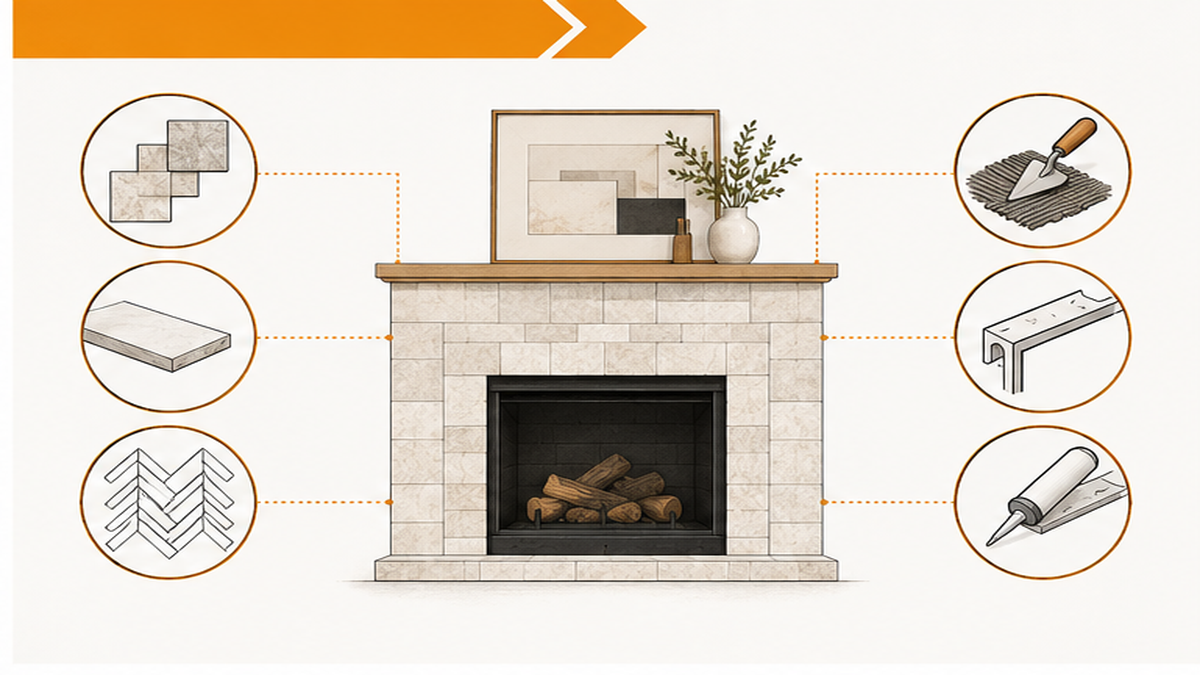
Several distinct variables drive the final number on your estimate. Understanding these helps you plan your project effectively.
| Cost Factor | How It Affects Your Quote |
|---|---|
| Material Choice | Manufactured stone veneer, natural stone, and porcelain tile all carry different per-square-foot material costs. Natural stone requires sealing and careful handling, increasing labor time. |
| Layout and Pattern | A straight grid is the baseline. Herringbone, chevron, or intricate mosaics require more cuts, increasing the labor hours significantly. |
| Size and Height | A floor-to-ceiling surround requires more materials and staging equipment than a standard surround that stops at the mantel. |
| Substrate Preparation | Installing cement board and ensuring a perfectly flat surface is mandatory. Poor existing framing adds repair time to the project. |
| Edge and Finish Details | Schluter metal trim, bullnose tiles, and custom corner returns add material costs and require precise, time-consuming cuts. |
These factors explain why a quick phone estimate often falls short. A proper assessment ensures all these variables are accounted for upfront.
What a Professional Tile Quote Covers
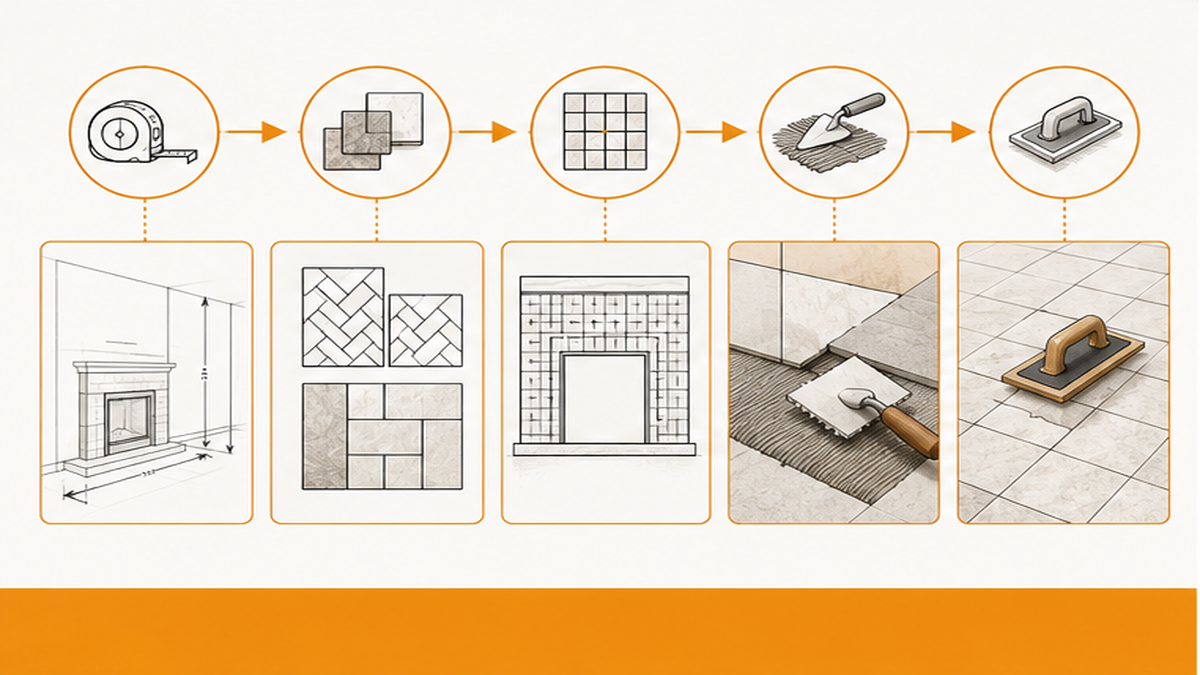
A professional quote for a fireplace surround covers more than just sticking tile to a wall. When we outline a work plan, the estimate includes site protection, demolition of the existing facing, and debris disposal. It also covers the installation of a non-combustible substrate board required for safety and code compliance.
The quote accounts for the specific heat-rated thin-set mortar and grout necessary for thermal cycling. Labor for layout planning, dry-fitting, tile setting, and final cleanup is fully detailed. We make sure the work area in your home remains clean and contained throughout the process. You receive a clear, itemized scope so you know exactly what the project entails.
Conditions That Increase Your Estimate
Certain site conditions and design choices naturally push the project scope higher. Choosing natural stone or large-format heavy materials requires additional structural support and specialized cutting tools. If you opt for a full Stone Fireplace Installation, the weight of the materials often doubles the labor requirements compared to thin veneer or standard ceramic tile.
Extending the tile floor-to-ceiling requires scaffolding and extra time to maintain plumb lines at height. Custom hearth details, complex corner returns, and intricate mantel cutouts also demand meticulous craftsmanship. Finally, if demolition reveals hidden structural rot or outdated wiring behind the old surround, those issues require repair before tile installation can safely proceed.
How to Control Your Project Costs
You have direct control over several levers that influence the final quote. The most effective way to manage your budget is by understanding practical scope tiers:
- Targeted repair or refresh: Keeping the existing footprint and mantel, and overlaying new tile if the current substrate is structurally sound and non-combustible. This minimizes demolition labor.
- Standard replacement or installation: Removing the old facing down to the studs, installing proper cement board, and setting standard porcelain or ceramic tile up to the mantel.
- Expanded reconfiguration: Floor-to-ceiling designs, custom hearth builds, and premium natural stone materials.
Choosing a straightforward layout, like a stacked or offset grid, keeps labor hours manageable compared to a herringbone pattern. Selecting standard porcelain tile instead of natural stone reduces both material costs and the need for ongoing sealing. Finalizing your design and material choices before work begins prevents costly mid-project changes.
The Hidden Costs of a Cheap Tile Bid
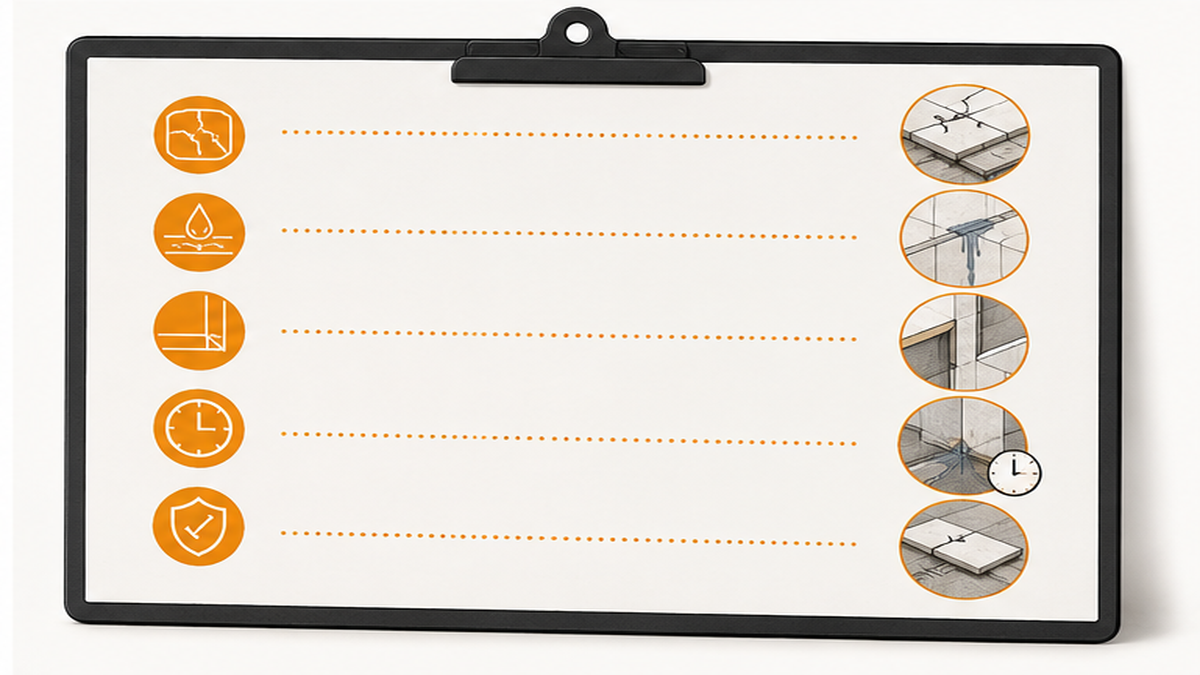
Opting for the lowest bid often leads to compromised safety and aesthetics. Cheap quotes frequently omit crucial preparation steps. A common shortcut is using standard drywall instead of non-combustible cement board around the firebox, which poses a significant hazard.
Low-cost contractors might also use standard thin-set mortar that cracks and delaminates when exposed to the fireplace's heat. Poor layout planning results in awkward sliver cuts, uneven grout joints, and noticeable lippage where tile edges do not sit flush. When a bid looks unusually low, it usually means the contractor is rushing the prep work or planning to add surprise change orders once demolition starts. We prioritize doing the job right the first time with proper materials and careful alignment.
Preparing for Your On-Site Estimate
Because every home has different structural conditions, a firm price requires an on-site inspection and a mutually approved work plan. To get the most accurate assessment, there are a few things you should prepare.
What to check before calling: Look at your current surround. Note if it is brick, drywall, or existing tile. Check if the mantel is staying or going.
Photos and dimensions to prepare: Take a few clear photos of the fireplace and measure the rough width and height of the area you want tiled. Having a specific tile style in mind helps us discuss material factors.
When professional inspection is needed: We will visit your home to check the substrate, measure clearances to combustibles, and evaluate access. After this walkthrough, we provide a detailed work plan. This process ensures you receive a reliable quote based on facts, avoiding unexpected costs later. Learn more about this service to gather ideas before our visit.
Common Questions About Fireplace Tile Costs
How much does it cost to put tile around a fireplace?
What kind of tile is best for a fireplace surround?
How long does backsplash installation take?
Request a Fireplace Tile Estimate
Payment Schedules and Project Terms
We structure payments to keep the process straightforward. A typical project requires an initial deposit to secure your schedule and cover upfront materials. The balance is due upon completion, once the final grout cures.
We avoid hidden fees and do not alter the approved work plan without your sign-off. If you request additional scope, we provide an updated estimate for those changes before proceeding.
How Scheduling and Access Affect Your Quote
Physical access to your fireplace impacts the total labor hours. Working in an occupied home means we take extra care to protect floors, contain dust, and clean up daily.
Moving heavy materials like natural stone up stairs takes additional time. We plan the workflow efficiently to minimize disruption to your routine while maintaining strict precision.